


Many people associate healthcare with treating illness after symptoms develop. However, modern medicine increasingly focuses on prevention rather than reaction. Preventive healthcare aims to identify potential health risks early, allowing individuals and healthcare providers to take action before minor concerns become serious medical conditions.
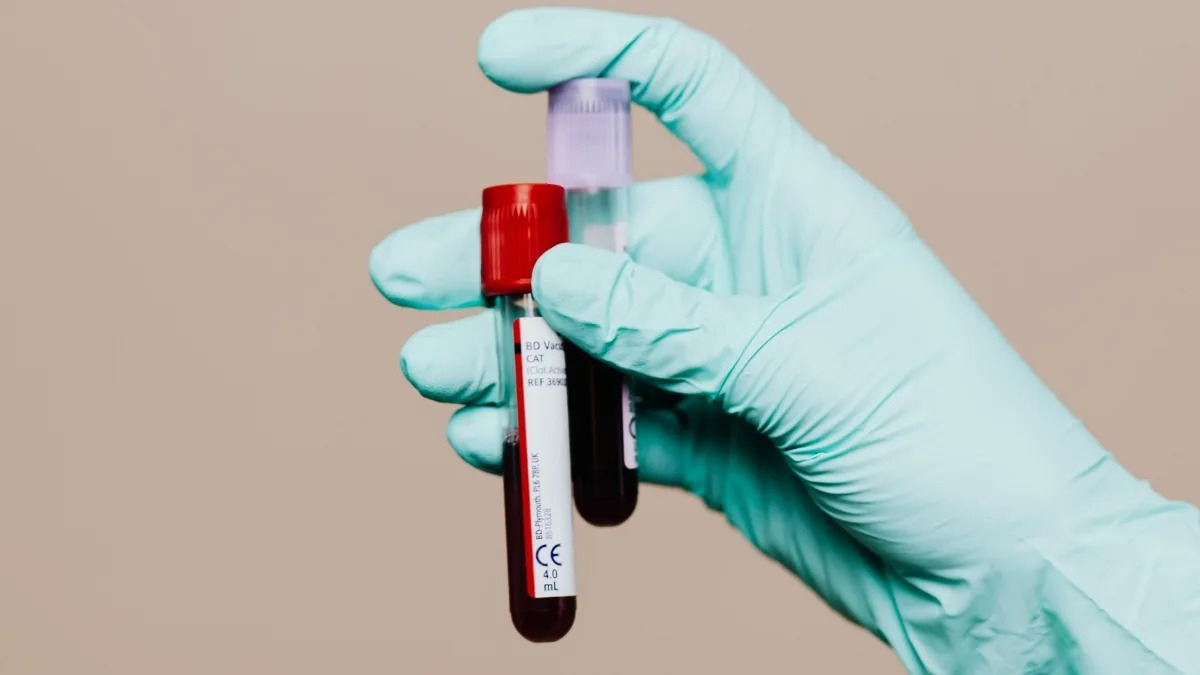
One of the most effective tools in preventive medicine is a Full Blood Test in Dubai. By analyzing a wide range of biomarkers, a comprehensive blood test provides valuable insights into overall health, organ function, nutritional status, metabolic performance, and disease risk factors. It allows healthcare professionals to detect hidden abnormalities, monitor health trends, and create personalized wellness strategies based on objective medical data.
In an era where chronic diseases continue to rise globally, regular blood testing has become an essential component of proactive health management.
Understanding the Role of a Full Blood Test in Prevention:
A full blood test is much more than a routine laboratory procedure. It serves as a detailed health assessment that examines multiple systems within the body simultaneously.
Rather than focusing on a single condition, comprehensive blood testing evaluates:
-
Blood cell health
-
Cardiovascular risk markers
-
Blood glucose levels
-
Liver function
-
Kidney performance
-
Thyroid activity
-
Vitamin and mineral status
-
Hormonal balance
-
Inflammatory markers
This broad perspective helps identify developing health concerns long before noticeable symptoms occur.
Preventive healthcare depends on early awareness, and blood testing provides that awareness through measurable, evidence-based information.
The Silent Nature of Many Health Conditions:
One of the greatest challenges in healthcare is that numerous diseases progress quietly. A person may feel healthy while underlying biological changes gradually affect critical organs and systems.
Common conditions that often develop without early symptoms include:
High Cholesterol:
Elevated cholesterol levels can contribute to cardiovascular disease for years before any warning signs appear.
Prediabetes:
Blood sugar abnormalities frequently remain undetected until diabetes has already progressed.
Thyroid Disorders:
Hormonal imbalances often develop gradually, causing symptoms that may be mistaken for stress or aging.
Kidney Disease:
Early kidney dysfunction typically produces few, if any, noticeable symptoms.
Vitamin Deficiencies:
Deficiencies in vitamin D, vitamin B12, and iron can impact health long before severe symptoms emerge.
A full blood test helps uncover these hidden issues at a stage when intervention is often most effective.
Early Detection Leads to Better Health Outcomes:
One of the primary reasons preventive healthcare emphasizes blood testing is the power of early detection.
When conditions are identified early, healthcare providers can:
-
Recommend lifestyle modifications
-
Monitor disease progression
-
Prevent complications
-
Reduce treatment costs
-
Improve long-term outcomes
For example, detecting prediabetes through blood glucose testing allows patients to improve nutrition and physical activity before diabetes develops. Similarly, identifying elevated cholesterol levels early may help prevent future cardiovascular events.
The earlier a health concern is recognized, the greater the opportunity to achieve positive outcomes.
A Closer Look at What a Full Blood Test Reveals:
To understand why blood testing is so valuable in preventive healthcare, it is helpful to examine the information it provides.
Complete Blood Count (CBC):
A Complete Blood Count evaluates:
-
Red blood cells
-
White blood cells
-
Hemoglobin
-
Hematocrit
-
Platelets
These measurements help identify anemia, infections, inflammation, immune system abnormalities, and blood disorders.
Lipid Profile:
A lipid profile measures:
-
Total cholesterol
-
LDL cholesterol
-
HDL cholesterol
-
Triglycerides
These results help assess cardiovascular risk and guide heart health strategies.
Blood Glucose Testing:
Glucose testing helps identify:
-
Prediabetes
-
Diabetes
-
Insulin resistance
-
Metabolic dysfunction
Routine screening supports early intervention and improved metabolic health.
Liver Function Assessment:
Liver biomarkers provide insight into:
-
Fatty liver disease
-
Hepatitis
-
Medication-related liver stress
-
General liver performance
Kidney Function Testing:
Kidney markers help evaluate the body's filtration system and identify early signs of kidney disease.
Together, these assessments create a comprehensive picture of internal health.
The Connection Between Blood Testing and Personalized Healthcare:
Preventive healthcare is becoming increasingly personalized. Rather than relying on generalized recommendations, healthcare providers now use individual health data to develop customized wellness plans.
A full blood test supports personalized medicine by identifying specific health needs.
For example:
-
A patient with low vitamin D may require targeted supplementation.
-
Elevated cholesterol levels may prompt dietary modifications.
-
Thyroid abnormalities may require hormone management strategies.
-
Blood sugar trends may influence exercise and nutrition plans.
Because every individual has unique health risks and biological characteristics, personalized blood testing provides more precise and effective healthcare guidance.
Monitoring Lifestyle Choices Through Blood Testing:
Preventive healthcare is not only about identifying disease. It is also about understanding how lifestyle choices affect long-term wellness.
A full blood test can reveal the impact of:
Nutrition:
Healthy eating habits often lead to improvements in cholesterol levels, blood sugar control, and nutritional biomarkers.
Physical Activity:
Regular exercise may positively influence metabolic health, cardiovascular markers, and inflammatory indicators.
Weight Management:
Blood testing helps evaluate how weight-related changes affect overall health.
Stress Management:
Certain biomarkers may reflect how chronic stress influences hormonal balance and physical well-being.
By monitoring these factors, individuals can make evidence-based adjustments that support healthier lifestyles.
Why Regular Blood Testing Matters More Than One-Time Screening?
While a single blood test provides valuable information, preventive healthcare benefits most from ongoing monitoring.
Health status changes over time due to:
-
Aging
-
Lifestyle factors
-
Environmental influences
-
Genetic predisposition
-
Medical conditions
Routine blood testing allows healthcare providers to identify patterns and trends rather than relying on isolated measurements.
Trend analysis can reveal:
-
Gradually rising cholesterol levels
-
Increasing blood glucose values
-
Declining kidney function
-
Emerging nutritional deficiencies
This long-term perspective improves preventive care planning and supports earlier intervention.
Full Blood Testing Across Different Stages of Life:
Healthcare needs evolve throughout life, making blood testing valuable at every age.
Young Adults:
Testing helps establish baseline health measurements and identify inherited risk factors.
Middle Age:
Routine screening becomes increasingly important as chronic disease risks begin to rise.
Older Adults:
Comprehensive monitoring supports healthy aging and early identification of age-related health concerns.
Regardless of age, preventive blood testing provides valuable information that supports informed health decisions.
Reducing Healthcare Costs Through Prevention:
Preventive healthcare is not only beneficial for individuals but also for healthcare systems.
Early detection often reduces the need for:
-
Emergency treatments
-
Hospital admissions
-
Advanced medical procedures
-
Long-term disease management costs
For example:
Managing elevated cholesterol through lifestyle modifications is typically less expensive than treating a heart attack.
Addressing prediabetes early can help avoid the financial and medical burden associated with diabetes complications.
Regular blood testing represents an investment in long-term health and healthcare efficiency.
Common Questions About Preventive Blood Testing:
How Often Should a Full Blood Test Be Performed?
Most healthy adults benefit from annual testing, although frequency may vary based on age, medical history, and risk factors.
Can Blood Tests Detect Serious Diseases Early?
Yes. Many chronic conditions and health risks can be identified before symptoms become noticeable.
Are Blood Tests Only Necessary for Older Adults?
No. Preventive healthcare benefits individuals of all ages, especially those with family histories of chronic disease or specific risk factors.
Do Normal Results Mean Perfect Health?
Not necessarily. Blood tests are one component of a comprehensive health assessment and should be interpreted alongside lifestyle, symptoms, and medical history.
Choosing a Reliable Provider for Preventive Blood Testing:
Accurate results are essential for effective preventive healthcare.
When selecting a laboratory or diagnostic provider, consider:
Accreditation and Quality Standards:
Accredited facilities follow strict testing protocols and quality assurance measures.
Experienced Medical Professionals:
Qualified laboratory scientists and healthcare providers contribute to accurate analysis and interpretation.
Comprehensive Testing Options:
A broad range of available tests supports more complete health assessments.
Modern Diagnostic Technology:
Advanced laboratory equipment enhances precision, efficiency, and reliability.
Selecting a trusted provider helps ensure that preventive healthcare decisions are based on dependable information.
Building a Long-Term Preventive Health Strategy:
Preventive healthcare is most effective when integrated into a long-term wellness plan.
A comprehensive strategy often includes:
-
Regular blood testing
-
Annual medical examinations
-
Healthy nutrition
-
Consistent physical activity
-
Stress management
-
Adequate sleep
-
Follow-up healthcare consultations
Blood testing serves as a central component of this strategy by providing measurable health data that guides decision-making.
Conclusion:
A full Lab tests is one of the most powerful tools available for preventive healthcare. By revealing hidden health risks, monitoring vital biomarkers, and supporting personalized wellness planning, comprehensive blood testing empowers individuals to take control of their health before problems become serious.
From detecting cholesterol abnormalities and blood sugar imbalances to assessing organ function and nutritional status, a full blood test provides critical information that supports early intervention and better long-term outcomes.
In today's healthcare landscape, prevention is no longer optional—it is essential. Regular blood testing offers the knowledge needed to make informed decisions, reduce future health risks, and build a stronger foundation for lifelong wellness. When it comes to protecting health, the best time to act is often before symptoms appear, and a full blood test is one of the most effective ways to start.