

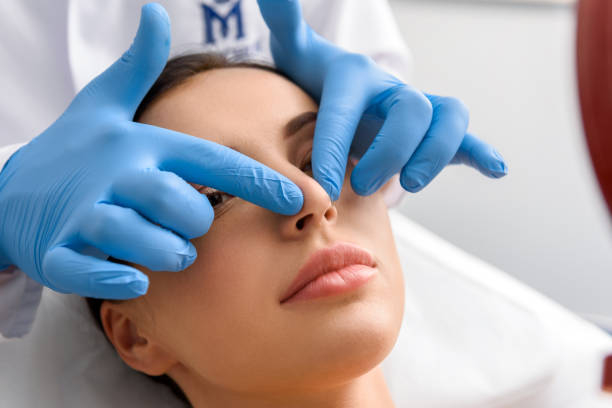

Rhinoplasty is a popular surgical procedure that helps improve the appearance, shape, and structure of the nose while addressing certain functional concerns. However, not everyone is automatically suitable for this surgery. The ideal candidate should have realistic expectations, good overall health, and specific nasal concerns that can be addressed through surgical treatment. Individuals considering Rhinoplasty in Riyadh (عملية تجميل الانف في الرياض) often want to improve facial harmony, correct nasal asymmetry, refine the nasal tip, or address breathing difficulties. Understanding the eligibility requirements can help patients determine whether nose reshaping surgery is an appropriate option.
Choosing rhinoplasty involves more than simply wanting a different nose shape. A successful treatment plan considers facial proportions, nasal anatomy, skin thickness, medical history, and personal expectations. Before recommending Rhinoplasty in Riyadh, a qualified surgeon evaluates these factors to determine whether the procedure can achieve the desired improvements safely. A detailed consultation also helps patients understand the surgical process, possible limitations, recovery requirements, and expected outcomes.
What Makes Someone an Ideal Candidate for Rhinoplasty?
An ideal rhinoplasty candidate is someone who has specific concerns about nasal appearance or function and understands what surgery can realistically achieve. The procedure is customized according to individual facial features and anatomical requirements.
Several factors help determine suitability:
-
Good general health: Candidates should be healthy enough to undergo surgery and recover properly.
-
Completed nasal growth: Most candidates should have reached physical maturity, as the nose generally needs to finish developing before cosmetic reshaping.
-
Realistic expectations: Patients should understand that rhinoplasty improves nasal proportions but cannot guarantee perfection.
-
Specific nasal concerns: Individuals should have identifiable aesthetic or functional issues that surgery may address.
-
Emotional readiness: Candidates should make the decision independently and have a clear understanding of their motivations.
Physical Characteristics of a Suitable Rhinoplasty Candidate
Certain physical characteristics can help surgeons determine whether nose reshaping surgery is appropriate. Every patient's nasal structure is different, so an individual assessment remains essential.
Individuals With a Prominent Nasal Bridge
People with a noticeable bump or hump along the nasal bridge may consider rhinoplasty to create a smoother nasal profile. During surgery, the surgeon may carefully reshape the underlying bone and cartilage to achieve better facial balance.
Individuals With a Wide or Bulbous Nasal Tip
A wide, rounded, or poorly defined nasal tip can affect the overall appearance of the nose. Rhinoplasty may involve adjusting the supporting cartilage to create a more refined shape while maintaining natural structural support.
Individuals With Nasal Asymmetry
Some people have uneven nasal structures caused by genetics, previous injuries, or developmental differences. Rhinoplasty may help improve symmetry by adjusting specific areas of the nose.
Individuals With a Deviated Septum
A deviated septum occurs when the wall separating the nasal passages is displaced. This condition can interfere with normal breathing. In suitable cases, septoplasty or functional rhinoplasty may be recommended to improve airflow.
Who Should Consider Rhinoplasty for Functional Reasons?
Rhinoplasty is not limited to cosmetic improvements. Some individuals may benefit from nasal surgery because structural abnormalities affect their breathing or everyday comfort.
People Experiencing Nasal Breathing Difficulties
Individuals who regularly experience nasal obstruction may require an examination to identify the underlying cause. Structural problems, such as internal narrowing or a deviated septum, may contribute to breathing difficulties.
Individuals With Previous Nasal Injuries
An accident or sports injury can change the shape and internal structure of the nose. Rhinoplasty may help correct certain deformities and address associated functional concerns, depending on the extent of the injury.
People With Congenital Nasal Differences
Some individuals are born with nasal structural differences that affect appearance or function. A specialist can evaluate these conditions and determine whether surgical correction is suitable.
Why Is Age Important When Considering Rhinoplasty?
Age is an important factor when evaluating rhinoplasty candidates because the nose should generally complete its development before cosmetic surgery is performed.
Teenagers and Nasal Development
Rhinoplasty is usually postponed until nasal growth is sufficiently complete. This commonly occurs around the mid-to-late teenage years, with timing varying according to individual development and other factors. Functional or reconstructive situations may require different considerations.
Adults Considering Nose Reshaping
Adults who have completed facial development can generally be evaluated for rhinoplasty based on their health, nasal anatomy, and treatment goals. Age alone does not determine suitability, as overall health and healing ability are also important.
Who May Not Be Suitable for Rhinoplasty?
Although many people can be considered for nose reshaping surgery, certain circumstances may make the procedure unsuitable or require postponement.
Individuals With Certain Medical Conditions
People with uncontrolled medical conditions, bleeding disorders, or other health concerns may require additional medical evaluation before surgery. The surgeon and medical team assess whether the potential risks can be appropriately managed.
Individuals With Unrealistic Expectations
Patients expecting a completely perfect nose or an exact copy of another person's facial features may not have realistic expectations. Rhinoplasty should be planned around individual anatomy and natural facial proportions.
Individuals Who Are Not Emotionally Prepared
Cosmetic surgery should be a personal and carefully considered decision. People experiencing significant emotional distress or external pressure may benefit from taking additional time before deciding.
Individuals With Unrealistic Recovery Expectations
Rhinoplasty requires patience because swelling and healing continue for several months. People who expect immediate final results or cannot follow postoperative instructions may need to reconsider their timing.
What Happens During a Rhinoplasty Consultation?
A professional consultation helps determine whether someone is an appropriate candidate for nose reshaping surgery. The surgeon examines the nasal structure, reviews medical history, and discusses the patient's concerns.
The assessment may include:
-
Nasal examination: Evaluating the bridge, tip, nostrils, septum, and overall nasal proportions.
-
Medical history review: Discussing previous surgeries, injuries, medications, allergies, and existing health conditions.
-
Breathing assessment: Identifying possible structural issues that affect airflow.
-
Treatment planning: Discussing suitable surgical techniques and realistic improvements.
-
Recovery discussion: Explaining healing stages, aftercare, and possible complications.
This process allows patients to understand their options and make informed decisions before proceeding.
How Can Rhinoplasty Improve Facial Appearance?
The nose is one of the most noticeable facial features, and its proportions influence overall facial harmony. Rhinoplasty aims to create a balanced appearance by making carefully planned adjustments to the nasal structure.
For example, reducing a prominent bridge may create a smoother side profile, while refining a wide nasal tip may improve definition. Adjusting asymmetry can also help the nose complement surrounding facial features. The objective is not necessarily to make the nose smaller but to create a shape that suits the individual's natural appearance.
People researching Rhinoplasty in Riyadh should understand that results depend on several factors, including skin thickness, cartilage strength, bone structure, and healing response. A personalized surgical approach is important for achieving appropriate and natural-looking improvements.
Book Your Rhinoplasty Consultation at Royal Clinic Saudia
If you are considering nose reshaping surgery, the first step is to determine whether you are a suitable candidate. At Royal Clinic Saudia (عيادات رويال كلينك), you can discuss your nasal concerns, understand available treatment approaches, and receive an individual assessment based on your anatomy and expectations. Book an appointment to explore your options and learn more about the rhinoplasty process.
FAQs:
1. What is the best age to undergo rhinoplasty?
Rhinoplasty is generally considered after the nose has completed its growth, often during the mid-to-late teenage years or adulthood. The appropriate timing depends on individual development and medical circumstances.
2. Can someone with breathing problems undergo rhinoplasty?
Yes. Individuals with structural problems affecting nasal airflow may be suitable for functional rhinoplasty or septoplasty. A specialist must first identify the cause of the breathing difficulty.
3. Is rhinoplasty suitable for someone with a naturally wide nose?
Yes. People with a wide nasal bridge, broad nostrils, or a rounded nasal tip may be candidates. The appropriate technique depends on their nasal anatomy and desired improvements.
4. How can I know if I am an ideal candidate for rhinoplasty?
A consultation with a qualified surgeon is the best way to determine suitability. The surgeon evaluates your health, nasal structure, breathing function, expectations, and medical history before recommending treatment.

