

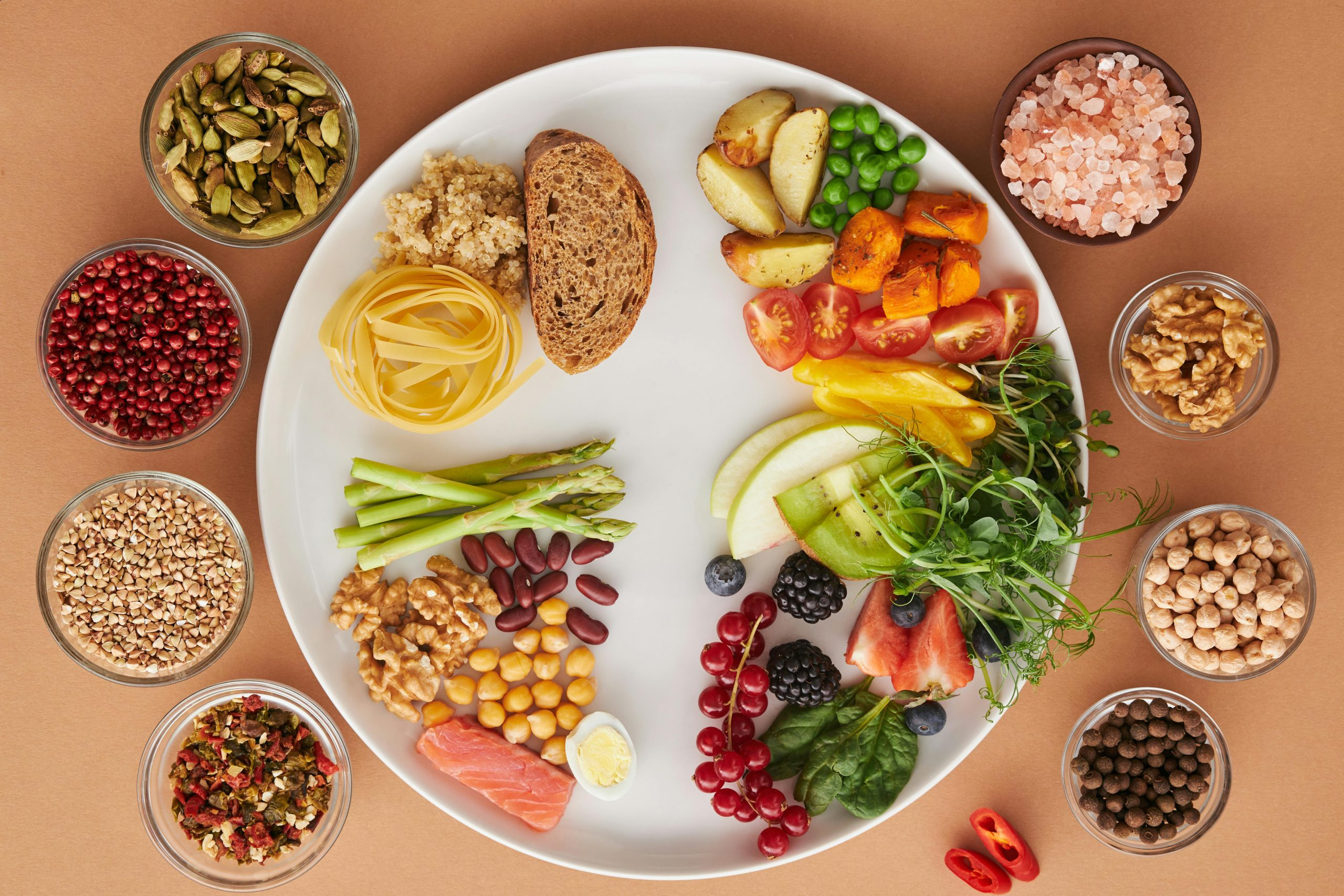

Food is an important part of everyday life, but the way people choose, prepare, and enjoy meals continues to change. In the United States, eating habits are influenced by busy schedules, household budgets, health awareness, cultural preferences, and new cooking ideas. People are looking for meals that fit their daily routines while still offering good taste and value. From home cooking to restaurant dining, food trends reflect how people manage their lifestyles and make everyday decisions.
One noticeable change is the growing interest in understanding food choices and trying different flavors. Consumers are exploring new ingredients, international recipes, and different ways to prepare familiar dishes. Similar to how people explore options such as Mr Fog Aura Disposable Vape when browsing product flavor collections, food enthusiasts also enjoy comparing flavor combinations and discovering options that match their preferences. This interest in variety has helped introduce more food choices into American kitchens and restaurants.
1. Changing Food Preferences Among American Consumers
Food preferences are not the same for everyone. Some people enjoy traditional American meals, while others prefer international dishes or plant-based alternatives. Age, culture, income, location, and lifestyle all influence what people choose to eat.
Many consumers now pay closer attention to ingredients, portion sizes, and nutritional information. They may compare different products before purchasing groceries or ordering meals.
Some common changes in food preferences include:
-
More home-cooked meals: People prepare meals at home to manage ingredients and control spending.
-
International food choices: Mexican, Indian, Korean, Japanese, and Mediterranean dishes are popular options.
-
Plant-based alternatives: Some consumers include more vegetables, beans, lentils, and plant-based proteins.
-
Convenient meal options: Ready-to-cook ingredients and frozen meals help people save preparation time.
-
Reduced food waste: Households are finding ways to reuse leftovers and plan grocery shopping.
These changes show that consumers want food that suits their personal needs. Taste remains important, but convenience, price, and nutrition also influence purchasing decisions.
2. The Growing Interest in Healthy and Balanced Eating
Healthy eating has become an important subject for many American households. People are learning more about how everyday food choices affect their overall well-being. Instead of following complicated diets, some consumers are focusing on balanced meals that include different food groups.
A balanced meal can contain vegetables, fruits, whole grains, protein sources, and healthy fats. These ingredients provide nutrients that support normal body functions.
Some practical eating habits include:
-
Adding vegetables to lunch and dinner.
-
Choosing whole grains such as oats, brown rice, and whole-wheat bread.
-
Including protein sources such as eggs, beans, fish, chicken, or tofu.
-
Drinking enough water throughout the day.
-
Limiting excessive added sugar and highly processed foods.
-
Paying attention to portion sizes.
Meal planning can also make healthy eating easier. Preparing ingredients in advance helps people avoid depending on fast food when they have limited time.
However, healthy eating does not mean avoiding every favorite food. Many people prefer a flexible approach that allows them to enjoy different meals while maintaining balanced habits.
3. How Technology Is Influencing Food Shopping and Cooking
Technology has changed how people purchase groceries, discover recipes, and prepare meals. Online grocery services, food delivery applications, digital payment systems, and cooking platforms have made food shopping more convenient.
Consumers can compare prices, check product information, and order ingredients without visiting multiple stores. This is particularly useful for people with busy working schedules or limited time for grocery shopping.
Technology is also changing home cooking. Many households use digital tools to find recipes and learn new cooking methods.
Examples of technology influencing food habits include:
-
Online grocery shopping: Customers can order everyday ingredients from their phones or computers.
-
Recipe websites: Cooking instructions help beginners prepare meals at home.
-
Smart kitchen appliances: Air fryers, pressure cookers, and programmable ovens simplify cooking tasks.
-
Food delivery applications: Customers can explore restaurants and order meals from home.
-
Digital meal planners: Applications help organize weekly menus and grocery lists.
These tools make food preparation more accessible. However, consumers should still compare prices, check ingredient details, and consider delivery costs before making purchases.
Product development is also influenced by technology. Food manufacturers use modern production and packaging methods to improve consistency, storage, and distribution.
4. The Popularity of International Food and New Flavors
American food culture includes influences from many countries. People are increasingly interested in trying dishes that introduce different ingredients, cooking techniques, and flavor combinations.
International cuisine is available through restaurants, supermarkets, food trucks, and home recipes. This gives consumers more opportunities to explore meals outside their usual choices.
Some popular international food influences include:
-
Mexican cuisine: Tacos, burritos, enchiladas, and salsa are familiar choices across the United States.
-
Indian cuisine: Curries, biryani, naan, and lentil dishes introduce different spices and cooking methods.
-
Japanese cuisine: Sushi, ramen, and rice-based meals remain popular options.
-
Korean cuisine: Kimchi, Korean fried chicken, and rice bowls have gained attention.
-
Mediterranean cuisine: Hummus, grilled vegetables, salads, and olive oil-based dishes offer different meal combinations.
Social media has also helped people discover recipes and food traditions from around the world. Short cooking videos allow viewers to see preparation methods before trying a dish themselves.
Restaurants benefit from this interest by introducing international ingredients and menu options. At the same time, home cooks can experiment with familiar ingredients to prepare meals inspired by different cultures.
Exploring international food does not require expensive ingredients or complicated equipment. A simple recipe using rice, vegetables, spices, and a protein source can introduce a new cooking experience.
5. Food Prices, Grocery Shopping, and Household Budgets
Food prices influence purchasing decisions in many American households. Grocery costs, restaurant prices, transportation expenses, and household income all affect how people plan their meals.
As a result, consumers often compare products and look for ways to get better value from their grocery budgets.
Planning purchases before visiting a supermarket can help reduce unnecessary spending. It also makes it easier to use ingredients before they expire. Whether someone enjoys cooking at home, visiting restaurants, or trying new ingredients, there will always be opportunities to discover something different. Just as shoppers compare options such as Mr Fog Aura 60K.
Here are some practical ways to manage food expenses:
-
Create a weekly meal plan: Decide what to cook before purchasing groceries.
-
Compare store prices: Check different brands and package sizes before choosing products.
-
Purchase seasonal produce: Fruits and vegetables in season can offer better value.
-
Use frozen ingredients: Frozen vegetables and fruits can be convenient alternatives to fresh options.
-
Prepare meals in batches: Cooking larger portions can save time and reduce repeated preparation.
-
Reuse leftovers: Turn extra rice, vegetables, or cooked meat into another meal.
-
Avoid unnecessary purchases: A shopping list helps keep grocery spending organized.
People can also choose affordable ingredients without sacrificing variety. Beans, eggs, potatoes, rice, oats, and seasonal vegetables can form the foundation of many everyday meals.
Food businesses are responding to changing budgets by offering different portion sizes, meal combinations, and price options. Consumers can benefit from comparing these choices instead of automatically selecting the most expensive products.
6. Sustainable Food Choices and the Future of Dining
Sustainability is another topic influencing food production, shopping, and dining habits. Consumers and businesses are paying more attention to food waste, packaging materials, transportation, and the resources required to produce different foods.
Sustainable food choices do not always require major lifestyle changes. Small decisions at home can help reduce unnecessary waste and make better use of available ingredients.
Some practical approaches include:
-
Buying only the amount of food needed.
-
Storing fruits and vegetables correctly.
-
Using leftovers before preparing new meals.
-
Choosing reusable grocery bags.
-
Supporting local farmers and food markets when practical.
-
Selecting products with less unnecessary packaging.
-
Planning meals around ingredients already available at home.
Restaurants are also exploring ways to reduce food waste. Some businesses adjust portion sizes, improve inventory planning, and use ingredients across multiple menu items.
The future of American dining will likely continue to reflect changes in technology, consumer preferences, and household spending. People will keep looking for meals that offer convenience, reasonable prices, and good taste.
Food businesses will need to understand these expectations while maintaining product quality and meeting customer needs. At the same time, home cooks will continue finding practical ways to prepare meals that suit their schedules and budgets.
Looking ahead, I expect food trends to remain connected to everyday lifestyle choices. Consumers will continue exploring international recipes, balanced meals, convenient shopping, and sustainable habits. Mr Fog Aura Vape Near Me in their respective product categories, food consumers also benefit from comparing available choices before deciding what suits their preferences. Understanding these changing habits helps people make informed food decisions and enjoy a wider range of dining experiences.

