

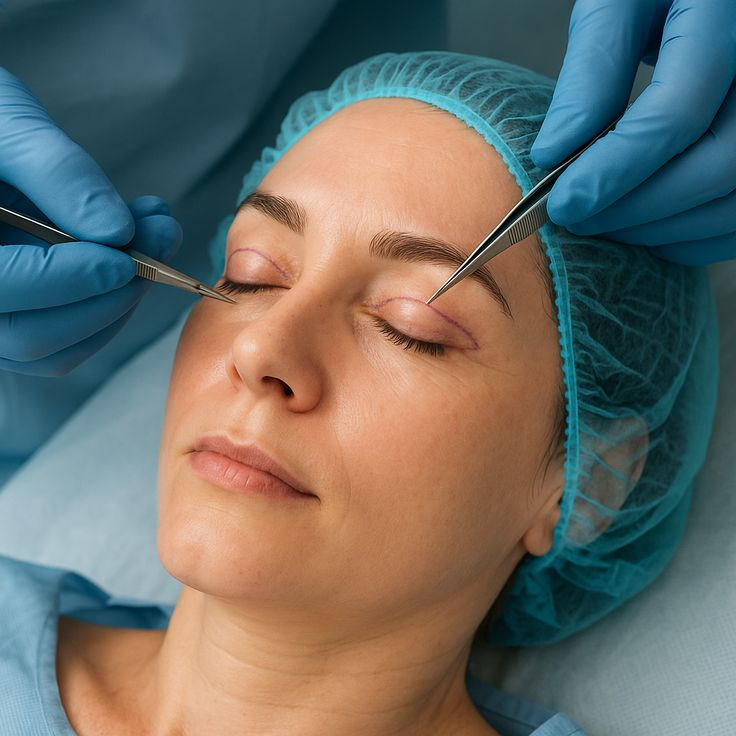

The eyes are often one of the first features people notice when looking at someone's face. They contribute to facial expressions and can influence how energetic or relaxed a person appears. However, natural ageing and changes in skin elasticity may gradually affect the upper eyelids. Loose skin, folds, and drooping can create a heavy appearance that makes the eyes look tired.
Upper eyelid surgery in Islamabad is a procedure that may help address these concerns by carefully removing selected excess skin and, when necessary, adjusting underlying tissue. Also known as upper blepharoplasty, this treatment is designed to improve the eyelid contour while maintaining natural facial features. Understanding the procedure, its benefits, and the recovery process can help individuals decide whether it is suitable for their needs.
Understanding Upper Eyelid Changes
The skin around the eyes is delicate and naturally becomes thinner with age. As collagen and elastin decrease, the upper eyelid skin may gradually lose firmness. Genetics, sun exposure, lifestyle habits, and individual facial anatomy can also influence how these changes develop.
Some people notice extra skin forming folds above the eyelashes. Others experience heaviness around the eyes or difficulty applying eye makeup because of loose skin.
In certain cases, excess upper eyelid skin can extend over the eyelashes and affect peripheral vision. A proper examination helps determine whether the concern is mainly cosmetic or has a functional component.
What Is Upper Eyelid Surgery?
Upper eyelid surgery, or upper blepharoplasty, is a surgical procedure that addresses excess skin and selected tissue changes in the upper eyelids.
During treatment, the surgeon generally makes an incision within the natural crease of the upper eyelid. Through this incision, an appropriate amount of loose skin may be removed. Depending on the patient's anatomy, selected underlying tissue may also be adjusted.
The aim is to create a smoother, more defined upper eyelid contour without removing too much skin. Preserving enough tissue is essential for comfortable eye closure and normal eyelid function.
Benefits of Upper Eyelid Surgery
For suitable patients, upper eyelid surgery may provide cosmetic and, in selected cases, functional improvements.
Potential benefits include:
-
Reducing excess skin and prominent folds.
-
Creating a more defined upper eyelid crease.
-
Improving a heavy-looking eyelid appearance.
-
Helping the eyes look more rested.
-
Improving peripheral vision when excess skin causes obstruction.
Results vary depending on skin quality, eyelid anatomy, healing, and the surgical technique. The procedure does not stop natural ageing or guarantee the removal of every wrinkle around the eyes.
Who May Be a Suitable Candidate?
Adults with noticeable excess upper eyelid skin may consider a consultation with a qualified surgeon. However, suitability depends on more than age or appearance.
During an assessment, the surgeon may consider:
-
The amount of excess eyelid skin.
-
Eyelid position and muscle function.
-
Skin quality and facial proportions.
-
Existing eye conditions or dry-eye symptoms.
-
Medical history and previous eye procedures.
-
Current medications and smoking habits.
-
Personal expectations and treatment goals.
It is particularly important to distinguish excess skin from ptosis. Ptosis occurs when the upper eyelid itself sits too low, often because of a problem with the muscle responsible for lifting it. This condition may require a different procedure.
How the Surgical Procedure Is Performed
Upper eyelid surgery is planned according to the patient's anatomy and the amount of skin requiring adjustment. The procedure may be performed under local anaesthesia, sometimes with sedation, or another approach recommended by the medical team.
Before surgery, the treatment area is carefully assessed and marked. The surgeon then makes an incision along the natural eyelid crease. Excess skin is removed conservatively, and underlying tissue may be adjusted when appropriate.
The incision is closed using fine sutures. Placing it within the natural crease helps make the resulting scar less noticeable as healing progresses.
The duration of surgery varies according to individual needs and whether other procedures are performed at the same time.
Preparing for Upper Eyelid Surgery
Preparation helps patients understand the procedure and reduce avoidable risks. During the consultation, individuals should provide complete information about their health and any medicines or supplements they take.
The surgeon may recommend:
-
Discussing dry eyes, allergies, and previous eye conditions.
-
Sharing details of previous eye or facial procedures.
-
Reviewing medications that may affect bleeding.
-
Following instructions about smoking before surgery.
-
Arranging transport and assistance after the procedure.
-
Planning time away from strenuous activities.
Patients should not stop prescribed medicines unless their healthcare professional advises them to do so.
Recovery and Aftercare
Temporary swelling, bruising, mild discomfort, and sensitivity are common during the initial recovery period. These effects generally improve gradually, but healing times differ between individuals.
Patients should follow their surgeon's instructions, which may include using prescribed ointments, applying cool compresses when recommended, and keeping the head elevated while resting.
Strenuous exercise should be avoided until the surgeon confirms it is safe to resume. Eye makeup and contact lenses should also be avoided until approved.
Follow-up appointments allow the surgeon to monitor healing. Severe pain, significant bleeding, worsening swelling, difficulty closing the eyes, or any change in vision requires prompt medical attention. Sudden vision changes should be treated as an emergency.
Choosing Professional Eyelid Surgery in Islamabad
Selecting an appropriately qualified and experienced surgeon is an important part of the treatment journey. Patients should ask about professional credentials, experience with upper eyelid procedures, possible risks, and expected recovery.
A consultation for eyelid surgery in Islamabad can help determine whether excess upper eyelid skin is the main concern and whether surgery is suitable. The surgeon can also explain alternative treatments when the problem is related to muscle weakness, skin quality, or another eye condition.
A carefully planned approach supports realistic expectations and prioritizes both appearance and eyelid function.
Frequently Asked Questions
1. What is upper eyelid surgery used for?
Upper eyelid surgery is used to address excess skin and selected tissue changes that create a heavy or folded appearance. Eyelid surgery in Islamabad begins with an assessment to determine whether the procedure is suitable.
2. Can upper eyelid surgery improve droopy eyelids?
It may improve drooping caused by excess skin. If the eyelid-lifting muscle is weak, a separate ptosis procedure may be required. A consultation for eyelid surgery in Islamabad helps identify the cause.
3. Will upper eyelid surgery leave visible scars?
Incisions are commonly placed within the natural eyelid crease, where scars may become less noticeable as healing progresses. Patients considering eyelid surgery in Islamabad should discuss incision placement and scar expectations with their surgeon.
4. How long does recovery take after upper eyelid surgery?
Initial swelling and bruising often improve over the first few weeks, although complete healing varies. After eyelid surgery in Islamabad, following personalized aftercare instructions supports the healing process.
5. Can upper eyelid surgery improve vision?
In selected cases, removing excess skin may improve peripheral vision if the skin obstructs the visual field. An assessment for eyelid surgery in Islamabad can help determine whether the concern has a functional component.
6. How do I know if I am suitable for upper eyelid surgery?
A qualified surgeon can assess your eyelid skin, muscle function, eye health, and medical history. A consultation for eyelid surgery in Islamabad helps establish whether surgery is an appropriate option for your needs.
For more information visit
Enfield royal clinic in islamabad

