

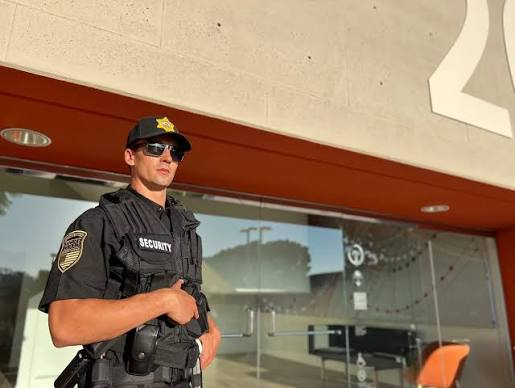

Security is an important concern for businesses, commercial properties, residential communities, and organizations that need additional protection. While basic security measures can help prevent everyday risks, some environments require a higher level of protection. In these situations, armed security professionals play an important role in maintaining safety and responding to potential threats.
Understanding the duties of an armed security officer helps businesses and property owners recognize the responsibilities involved in professional security services. These officers are trained to protect people, monitor properties, control access, identify suspicious activities, and respond to emergencies while following applicable laws and security procedures.
An armed security officer does more than carry a firearm. The position requires professional training, strong communication skills, situational awareness, discipline, and the ability to make responsible decisions under pressure. Officers must understand when to observe, when to report an incident, and when an appropriate response is necessary.
Whether working at a corporate facility, financial institution, industrial property, or private event, armed security officers help organizations manage security risks and create a safer environment.
In this article, we will explain the key responsibilities, daily tasks, required skills, training expectations, and importance of professional armed security officers.
What Is an Armed Security Officer?
An armed security officer is a trained security professional authorized to carry a firearm while performing assigned security duties, subject to applicable licensing requirements and regulations.
Their primary responsibility is to protect people, property, and valuable assets from potential security threats. They work in environments where the nature of the property, its assets, or the level of risk may require additional security measures.
Armed security officers commonly work in:
-
Corporate offices and business facilities.
-
Banks and financial institutions.
-
Government buildings.
-
Industrial and manufacturing facilities.
-
Warehouses and distribution centers.
-
Residential communities.
-
Private events and high-profile gatherings.
-
Facilities with valuable equipment or sensitive assets.
Although carrying a firearm is part of their assignment, their work focuses heavily on prevention, observation, communication, and following established security procedures. Professional conduct and responsible decision-making are essential parts of the role.
Key Duties of an Armed Security Officer
The duties of an armed security officer cover several areas of property protection and personal safety. Their exact responsibilities depend on the employer, location, security risks, and assignment requirements.
Below are some of the most important responsibilities.
1. Protecting People and Property
One of the primary responsibilities of an armed security officer is protecting individuals and property from potential security threats.
Officers are assigned to specific locations where they monitor activities, maintain a visible security presence, and help prevent unauthorized behavior. Their presence can discourage theft, vandalism, trespassing, and other unwanted activities.
For example, an officer working at a financial institution may monitor the entrance, observe customer activity, and remain alert to suspicious behavior. Similarly, an officer assigned to an industrial facility may help protect expensive machinery, equipment, and stored materials.
Protecting people and property requires constant awareness and a clear understanding of the security procedures established for the location.
2. Monitoring Entrances and Controlling Access
Access control is another important responsibility. Armed security officers help ensure that only authorized individuals can enter restricted buildings or designated areas.
Their responsibilities may include:
-
Checking employee and visitor identification.
-
Verifying access permissions.
-
Monitoring entry and exit points.
-
Maintaining visitor registration records.
-
Preventing unauthorized access.
-
Reporting suspicious entry attempts.
-
Following established visitor management procedures.
For example, an armed security officer working at a corporate facility may check visitor identification and confirm appointments before allowing access.
Effective access control helps protect employees, visitors, confidential information, and valuable business assets.
3. Conducting Regular Security Patrols
Security patrols help officers monitor different areas of a property and identify potential risks.
Depending on the assignment, officers may conduct foot patrols or vehicle patrols. They inspect designated locations, observe property conditions, and check for unusual activities.
During patrols, they may look for:
-
Unlocked doors and windows.
-
Damaged security equipment.
-
Unauthorized individuals.
-
Suspicious vehicles.
-
Property damage or vandalism.
-
Unusual activity near restricted areas.
-
Safety hazards that require attention.
Regular patrols help ensure that different sections of a property receive appropriate security attention.
For example, an officer assigned to a warehouse may monitor loading areas, storage facilities, parking spaces, and perimeter locations.
4. Identifying and Reporting Suspicious Activities
Armed security officers must remain alert and recognize activities that may indicate potential security problems.
Suspicious behavior can include unauthorized entry attempts, unusual activity around restricted areas, property damage, aggressive conduct, or attempts to remove assets without permission.
When officers identify a potential concern, they must assess the situation and follow the organization's reporting procedures.
Depending on the circumstances, this may involve:
-
Informing a security supervisor.
-
Contacting property management.
-
Documenting the incident.
-
Requesting assistance from law enforcement.
-
Following established emergency response procedures.
Accurate reporting helps organizations understand security concerns and take appropriate action to prevent similar incidents.
5. Responding to Emergency Situations
Emergency response is one of the most important duties of an armed security officer. Officers must understand how to respond appropriately when an unexpected incident occurs.
Emergencies may include medical situations, fires, unauthorized access, workplace disturbances, property damage, and other security threats.
Their responsibilities may involve:
-
Alerting emergency services.
-
Notifying supervisors and management.
-
Following established emergency procedures.
-
Helping people move away from dangerous areas.
-
Supporting evacuation efforts.
-
Providing basic first aid if properly trained.
-
Preserving relevant incident information.
Armed security officers must remain calm and make responsible decisions during emergencies. Their response should always follow applicable laws, training standards, and the specific procedures established for their assignment.
6. Maintaining a Visible Security Presence
A visible security presence can help discourage unwanted behavior and reassure employees, customers, and visitors.
Armed security officers often work at entrances, reception areas, parking facilities, and other important locations where their presence supports security operations.
Their professional appearance, alert behavior, and communication skills contribute to the overall safety environment.
For example, a security officer assigned to a commercial property may remain near the main entrance to monitor visitors and provide assistance when needed.
Maintaining a visible presence also helps people understand that security procedures are being actively monitored.
7. Following Firearm Safety and Legal Requirements
One responsibility that distinguishes armed security officers from unarmed personnel is the requirement to follow strict firearm safety standards.
Officers must understand the laws, licensing requirements, and employer policies that apply to carrying and using firearms during their assignments.
Important responsibilities include:
-
Maintaining all required firearm-related licenses and qualifications.
-
Following applicable firearm safety regulations.
-
Securing firearms according to approved procedures.
-
Completing required training and qualification programs.
-
Understanding legal limitations on the use of force.
-
Following employer policies and assignment-specific instructions.
Firearms should never be treated as a substitute for communication, prevention, or professional judgment. Any use of force must comply with applicable laws and established training requirements.
8. Managing Difficult Situations Professionally
Security officers may encounter individuals who are upset, disruptive, or unwilling to follow property rules.
Handling these situations requires patience, communication, and professional judgment.
An armed security officer should understand how to communicate clearly, maintain a calm attitude, and use appropriate de-escalation techniques whenever possible.
For example, if a visitor becomes frustrated because they cannot enter a restricted area, the officer should explain the access requirements and follow the property's procedures.
The objective is to maintain order and reduce the possibility of conflict while protecting everyone involved.
9. Preparing Incident Reports and Maintaining Records
Documentation is an essential part of professional security operations. Armed security officers must maintain accurate records of their activities and report incidents that occur during their shifts.
Reports may include:
-
Security patrol activities.
-
Visitor access information.
-
Suspicious behavior.
-
Property damage.
-
Emergency situations.
-
Safety concerns.
-
Communication with supervisors or emergency services.
Incident reports should be factual, clear, and completed according to company requirements.
Accurate documentation helps supervisors review security operations, identify recurring concerns, and improve future procedures.
10. Communicating With Management and Emergency Personnel
Communication is necessary for effective security operations. Armed security officers regularly interact with supervisors, property managers, employees, visitors, and emergency responders.
They must communicate important information clearly and provide accurate updates about security conditions.
For example, if an officer notices a damaged entrance gate, they should report the issue to the appropriate supervisor so repairs can be arranged.
During emergencies, communication also helps coordinate responses and ensure that relevant personnel receive important information.
Daily Responsibilities of an Armed Security Officer
The daily routine of an armed security officer depends on the assigned property and working schedule. However, most officers follow a structured routine to maintain consistent security coverage.
Starting the Security Shift
At the beginning of a shift, the officer receives instructions from a supervisor or the previous security team.
They review important information about ongoing concerns, reported incidents, access restrictions, and special assignment requirements.
Inspecting the Assigned Property
Officers inspect their assigned areas to identify visible security concerns. This may include checking entrances, security equipment, restricted areas, and other important locations.
Monitoring and Conducting Patrols
Throughout the shift, officers observe activities, monitor access points, and conduct scheduled patrols.
They remain alert to unusual behavior and report concerns according to established procedures.
Responding to Security Issues
If a security incident occurs, the officer follows the appropriate response procedures, communicates with supervisors, and contacts emergency services when necessary.
Completing Shift Reports
Before completing a shift, officers document relevant activities and communicate important information to the next security team.
A consistent shift routine helps maintain continuity and ensures that important security concerns are not overlooked.
Important Skills Required for an Armed Security Officer
Performing security responsibilities effectively requires several professional skills. Carrying a firearm alone does not make someone a qualified security professional.
Here are some important skills officers should develop.
Strong Situational Awareness
Officers must remain aware of their surroundings and recognize unusual activities. Strong situational awareness helps them identify potential problems and respond appropriately.
Effective Communication
Clear communication helps officers interact with employees, visitors, supervisors, and emergency responders.
They must be able to explain security procedures, provide instructions, and report incidents accurately.
Decision-Making Skills
Security professionals sometimes need to make decisions under pressure. They must understand their responsibilities, assess situations carefully, and follow established procedures.
Conflict Resolution
The ability to manage disagreements and reduce tension is essential. Professional communication and de-escalation can help prevent situations from becoming more serious.
Attention to Detail
Small details can reveal potential security problems. Officers must pay attention to access records, property conditions, unusual behavior, and other relevant information.
Physical and Mental Fitness
Security work can involve long shifts, regular patrols, and challenging situations. Officers need the physical ability and mental focus to perform their responsibilities consistently.
What Training Does an Armed Security Officer Need?
Proper training helps armed security officers understand their legal responsibilities and perform their duties safely.
Training and licensing requirements vary depending on the state or jurisdiction. However, common training areas may include:
-
Basic security principles and professional conduct.
-
Firearm safety and handling.
-
Applicable firearm laws and regulations.
-
Use-of-force policies and legal limitations.
-
Emergency response procedures.
-
Conflict resolution and de-escalation.
-
Access control and visitor management.
-
Incident reporting and documentation.
-
First aid and CPR, where applicable.
-
Communication and situational awareness.
In the United States, armed security licensing requirements differ between states. Employers should confirm that officers meet all applicable training, licensing, and qualification requirements before assigning them to armed positions.
Regular refresher training is also important because professional standards, legal requirements, and workplace security needs can change.
Difference Between Armed and Unarmed Security Officers
Businesses often choose between armed and unarmed security services depending on their security requirements.
Although both types of professionals help protect people and property, their responsibilities and training requirements are different.
|
Comparison |
Armed Security Officer |
Unarmed Security Officer |
|---|---|---|
|
Firearm |
Authorized to carry a firearm when legally permitted |
Does not carry a firearm as part of the assignment |
|
Main responsibilities |
Protection, monitoring, access control, and armed security duties |
Monitoring, access control, patrols, and prevention |
|
Training |
Security training and additional firearm-related qualifications |
General security training |
|
Work environments |
Higher-risk facilities and locations requiring armed protection |
Offices, retail stores, schools, and residential properties |
|
Use-of-force requirements |
Must follow applicable firearm and use-of-force laws |
Must follow applicable security and use-of-force laws |
The right choice depends on the property's risk assessment, security requirements, applicable regulations, and available budget.
Why Are Armed Security Officers Important for Businesses?
Businesses operating in environments with higher security risks may benefit from professional armed security services.
Protection of Valuable Assets
Some businesses manage expensive equipment, sensitive materials, confidential information, or valuable inventory. Armed security personnel can support property protection through monitoring and established security procedures.
Improved Security Awareness
Regular patrols and observation help businesses identify suspicious activities and potential security concerns.
Support During Emergencies
Trained officers understand how to follow emergency procedures, communicate with relevant authorities, and assist with safety measures.
Increased Employee and Visitor Confidence
A professional security presence can help employees, customers, and visitors feel more comfortable when entering or spending time at a property.
Better Access Control
Armed security officers can help manage entry procedures and monitor restricted areas, reducing opportunities for unauthorized access.
How to Choose a Professional Armed Security Service
Selecting the right security provider is important for ensuring that your property receives appropriate protection.
Before hiring a security company, consider the following factors:
-
Licensing and Compliance: Verify that the company and its officers meet applicable licensing and legal requirements.
-
Training Standards: Ask about firearm qualifications, emergency response training, and professional development.
-
Industry Experience: Look for a provider with experience handling security requirements similar to yours.
-
Supervision: Confirm that the company has reliable supervisors and clear communication procedures.
-
Incident Reporting: Ask how officers document security concerns and share reports with clients.
-
Customized Security Plans: Choose a company that understands your property's risks and can recommend suitable security coverage.
A professional provider should be able to explain its security procedures, officer qualifications, and responsibilities before an assignment begins.
Conclusion
Understanding the duties of an armed security officer helps businesses and property owners make informed decisions about their security requirements. These professionals are responsible for protecting people and property, controlling access, conducting patrols, identifying suspicious activities, responding to emergencies, and maintaining accurate security records.

