

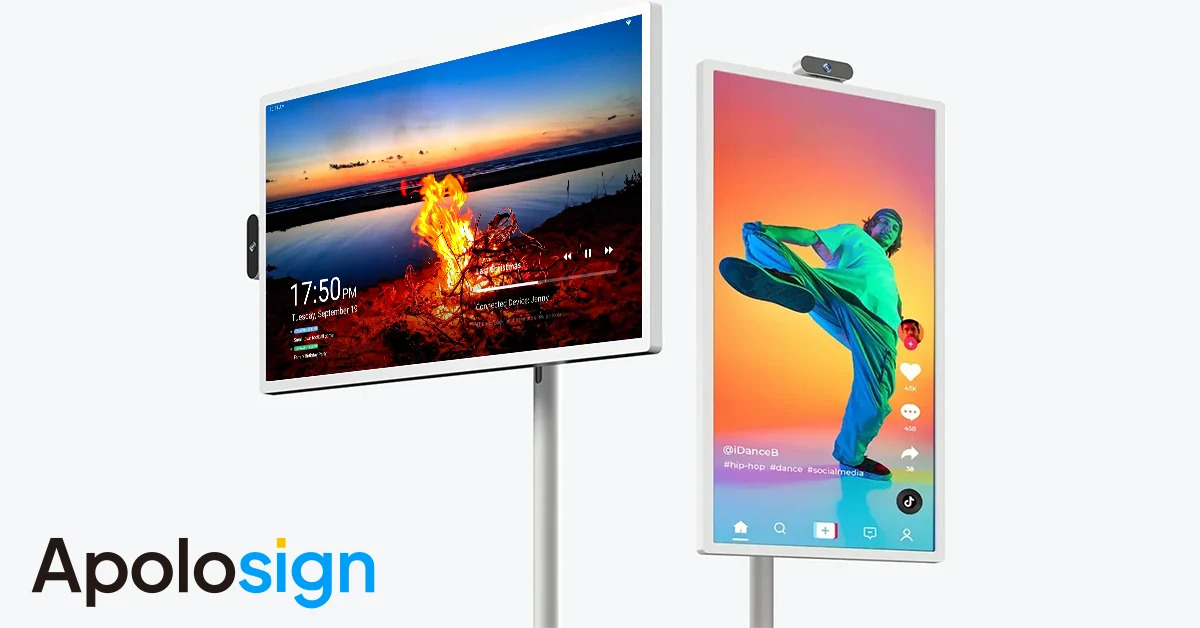

Digital technology has changed the way people work, communicate, learn, and enjoy entertainment. Many households now use several connected devices throughout the day, including smartphones, laptops, tablets, and smart televisions. As these habits continue to develop, people are looking for entertainment equipment that can adapt to different routines. Portable smart TVs offer one approach by combining digital entertainment with flexible placement.
Unlike traditional televisions that usually remain in one dedicated location, portable displays can support different activities in suitable areas of the home. Their usefulness depends on their features, connectivity, and how well they fit into everyday routines.
Adapting to Changing Daily Routines
Modern households rarely follow one identical schedule. Someone may work from home during the morning, study in the afternoon, and relax with entertainment in the evening. Other household members may have completely different routines.
A portable smart TV can help make entertainment more adaptable. It may be positioned in a bedroom, living area, or home office when appropriate. This flexibility allows people to organize their viewing arrangements around their daily activities instead of depending on one permanent television location.
When considering a model, buyers should think about the rooms where they expect to use it most often. Screen size, weight, stand design, and available space can all influence convenience.
Bringing Streaming Entertainment into More Rooms
Streaming services have become a major part of everyday entertainment. Many viewers use online platforms to watch films, series, documentaries, educational programs, and other digital content.
A smart TV with compatible applications can make this content accessible through a larger screen. Instead of relying exclusively on a smartphone or laptop, viewers can enjoy supported services on a television display.
Application availability varies between devices, so it is important to check the operating system and supported services before purchasing. Buyers should also review whether subscriptions are required for their preferred platforms.
Supporting Learning and Personal Development
Digital lifestyles are not limited to entertainment. Online learning has become useful for students, professionals, and people exploring new interests.
A portable smart TV may provide a larger display for compatible educational videos, presentations, tutorials, and other learning materials. In a suitable room, it can make shared learning sessions easier to follow.
For example, a household member could use a larger screen to watch a cooking tutorial, language lesson, or instructional presentation. However, specific screen-sharing and device-connection features should be checked before purchase.
Improving Flexible Home Office Arrangements
Remote and hybrid working have encouraged people to rethink how they organize their homes. A home office may also serve as a study area or occasional entertainment space.
A portable smart TV can complement this environment by providing access to compatible media during breaks. Depending on the available connections, it may also support selected external devices.
It is important to understand that a television is not automatically a replacement for a computer monitor. Buyers who want to use a display for productivity should check resolution, connection compatibility, text clarity, and supported functions.
Connectivity as a Central Feature
A connected television depends on reliable communication with other devices and online services. Wi-Fi support is especially important for streaming, while physical ports may provide additional connection options.
Depending on the model, users may find HDMI, USB, Bluetooth, or wireless display features useful. These specifications should be verified individually because connectivity differs across products.
Household internet performance also affects streaming. Router placement, network congestion, and the number of connected devices can influence the quality of online viewing.
Choosing Features That Match Real Needs
A long feature list does not necessarily mean a television is the right choice. It is more useful to identify the activities the device needs to support.
Someone who mainly watches films may prioritize display quality and sound. A student may care more about application compatibility and connectivity. A household that frequently changes room arrangements may place greater importance on portability and stable positioning.
Comparing these needs can make the purchasing process more focused. Buyers can also review the apolosign Coupon Code when checking current purchasing options, while remembering that product suitability should remain the main priority.
Creating a Comfortable Viewing Environment
A good entertainment setup involves more than the television itself. Screen placement, room lighting, seating, and cable organization can all affect everyday convenience.
Position the display on a stable surface and choose a comfortable viewing distance. Avoid placing electronic equipment where it may be exposed to moisture or excessive heat. Organizing cables can also help maintain a neat space.
For households with children or pets, stable placement is particularly important. A television should be positioned where it is less likely to be accidentally knocked over.
Making a More Informed Purchase
Before buying, compare the screen specifications, operating system, supported applications, audio features, connectivity, dimensions, and warranty details. Read the manufacturer's product information and check whether the device supports the services you regularly use.
The apolosign Coupon Code may be worth reviewing as part of a price comparison, but a promotional offer should not replace careful research into specifications and product requirements.
Conclusion
Portable smart TVs can complement modern digital lifestyles by making entertainment more flexible and bringing compatible online content into different areas of the home. Whether used for streaming, casual learning, or home entertainment, the right device should match the household's routines and available space. Careful comparison helps buyers choose a practical display that supports their everyday needs.


