

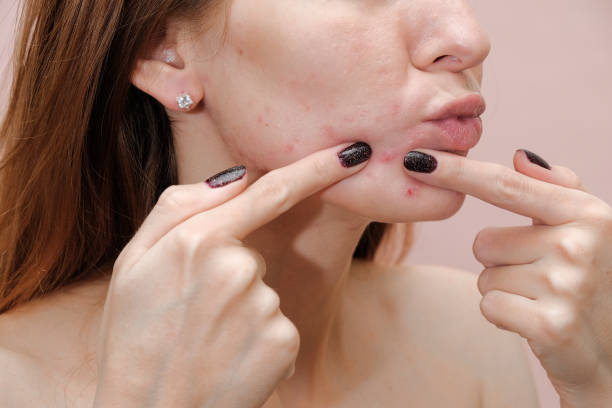

Acne is a common skin condition that develops when hair follicles become clogged with oil, dead skin cells, and other impurities. It can affect people of all ages and appear on the face, forehead, chest, shoulders, and back. Although acne is often associated with teenage years, adults can experience persistent breakouts due to hormonal changes, genetics, lifestyle factors, and skincare habits. Understanding the causes of acne is the first step toward choosing the right Acne Treatment in Riyadh and maintaining healthier-looking skin. With proper care and suitable treatments, many types of acne can be effectively managed.
Acne does not develop for just one reason. Excess oil production, bacterial activity, clogged pores, inflammation, and hormonal fluctuations can contribute to different types of breakouts. Some people experience occasional pimples, while others develop painful cysts, blackheads, whiteheads, or recurring inflammatory acne. Choosing Acne Treatment in Riyadh based on the underlying cause and severity of the condition can help improve skin health and reduce future breakouts. A personalized approach is especially important when acne becomes persistent or begins leaving visible marks and scars.
What Are the Main Causes of Acne?
Acne develops through several interconnected processes that affect the skin's pores and oil-producing glands. Understanding these factors can help identify possible triggers and determine an appropriate treatment approach.
Excess Sebum Production
Sebum is the natural oil produced by sebaceous glands to keep the skin moisturized. However, excessive sebum production can contribute to clogged pores, especially when oil combines with dead skin cells. People with naturally oily skin may therefore experience frequent blackheads, whiteheads, and pimples.
Clogged Hair Follicles
Dead skin cells normally shed from the skin's surface. When they accumulate inside hair follicles and mix with excess oil, they can block pores. This creates an environment where different types of acne lesions can develop, including blackheads and whiteheads.
Bacterial Activity
Cutibacterium acnes is a bacterium naturally found on human skin. When pores become clogged, changes within the follicle can encourage bacterial activity and contribute to inflammation. This may lead to red, swollen, and sometimes painful acne lesions.
Hormonal Changes
Hormonal fluctuations can increase oil production and contribute to acne development. Common situations associated with hormonal changes include:
-
Puberty and adolescence.
-
Menstrual cycle fluctuations.
-
Pregnancy-related hormonal changes.
-
Certain endocrine conditions.
-
Hormonal changes during adulthood.
Hormonal acne frequently appears around the chin, jawline, and lower cheeks, although it can affect other areas as well.
Genetics and Family History
Genetics can influence how much oil your skin produces, how sensitive your pores are, and how likely you are to develop inflammatory acne. If close family members experience persistent acne, you may have a higher likelihood of developing similar skin concerns.
Stress and Lifestyle Factors
Stress does not directly cause every acne breakout, but it may influence hormonal activity and contribute to worsening existing acne. Inconsistent sleep, frequent touching of the face, and certain skincare or cosmetic products may also aggravate breakouts.
What Are the Different Types of Acne?
Recognizing the type of acne is important because different breakouts may require different treatments.
Blackheads
Blackheads are open clogged pores that develop when accumulated oil and dead skin cells react with air, creating a dark appearance. They commonly occur on the nose, forehead, and chin.
Whiteheads
Whiteheads are closed clogged pores that appear as small, skin-colored or whitish bumps. They develop when oil and dead skin cells remain trapped beneath the skin's surface.
Papules and Pustules
Papules are small, red, inflamed bumps that may feel tender. Pustules are similar but contain visible pus, often appearing as white or yellow centers surrounded by redness.
Nodules and Cystic Acne
Nodules are deep, firm, and often painful acne lesions. Cystic acne involves deeper inflammatory lesions that may contain pus and can increase the risk of permanent scarring. These conditions often require professional dermatological treatment.
How Can Acne Be Treated Effectively?
Effective acne management depends on the type of breakouts, skin condition, and underlying causes. Mild acne may respond to suitable skincare products, while persistent or severe acne may require professional treatment.
Topical Acne Treatments
Topical products are commonly used to manage mild and moderate acne. Depending on individual needs, a dermatologist may recommend:
-
Salicylic Acid: Helps exfoliate inside pores and reduce blackheads and whiteheads.
-
Benzoyl Peroxide: Helps reduce acne-causing bacteria and inflammatory breakouts.
-
Retinoids: Help prevent clogged pores and support skin cell turnover.
-
Azelaic Acid: May improve acne, redness, and post-acne discoloration.
-
Niacinamide: Helps support the skin barrier and may reduce visible inflammation.
These ingredients should be introduced according to skin tolerance and professional recommendations.
Chemical Peels
Chemical peels use selected exfoliating ingredients to remove accumulated dead skin cells and improve pore congestion. Depending on the formulation, they may help manage mild acne, uneven texture, and certain acne marks. A dermatologist should determine whether a peel is appropriate for your skin.
Laser and Light-Based Treatments
Certain laser and light-based procedures may help address inflammatory acne and acne-related redness. Different technologies target different skin concerns, so treatment selection should depend on professional assessment.
Prescription Acne Medications
For persistent or severe acne, dermatologists may recommend prescription treatments such as topical retinoids, oral antibiotics, hormonal therapies, or isotretinoin when appropriate. These medications require medical supervision because their suitability, precautions, and possible side effects vary.
How Can You Prevent Acne and Reduce Future Breakouts?
Preventive skincare habits can support treatment results and help reduce the chances of recurring acne.
-
Cleanse your face gently twice daily.
-
Avoid harsh scrubbing and excessive exfoliation.
-
Choose non-comedogenic skincare and makeup products.
-
Remove makeup before sleeping.
-
Avoid squeezing or picking pimples.
-
Apply broad-spectrum sunscreen every day.
-
Clean makeup brushes and regularly change pillowcases.
-
Maintain a consistent skincare routine.
It is also helpful to observe whether specific products or habits appear to aggravate your breakouts. If acne persists despite consistent care, professional evaluation can help identify other contributing factors.
When Should You Consult a Dermatologist for Acne?
Although mild acne can sometimes improve with an appropriate skincare routine, certain symptoms require professional attention. Consider consulting a dermatologist if you experience painful or deep breakouts, recurring acne, visible scarring, persistent inflammation, or acne that does not respond to over-the-counter products. Early treatment can help control inflammation and reduce the likelihood of long-term skin damage. A dermatologist can assess your skin, identify the type of acne, and recommend a treatment plan suited to your individual needs.
Book Your Acne Consultation at Royal Clinic Saudia
Understanding what causes acne is an important step toward achieving clearer and healthier-looking skin. If you are experiencing frequent breakouts, persistent pimples, clogged pores, or acne scars, professional guidance can help you explore suitable treatment options. Book a consultation at Royal Clinic Saudia for a personalized skin assessment and recommendations based on your skin condition and individual requirements.
FAQs:
What is the most common cause of acne?
The most common contributing factors include excess sebum production, clogged pores, bacterial activity, and inflammation. Hormonal changes and genetics can also influence acne development.
Can stress cause acne breakouts?
Stress does not directly cause all acne, but it can influence hormonal activity and potentially worsen existing breakouts. Managing stress and maintaining healthy daily habits may support overall skin health.
Can acne disappear permanently?
Acne can improve significantly with appropriate treatment, but some people experience recurring breakouts due to hormonal changes, genetics, or other factors. A suitable maintenance routine can help manage future flare-ups.
How long does it take for acne treatment to work?
Many acne treatments require approximately 6–12 weeks of consistent use before noticeable improvement. The exact timeline depends on acne severity, treatment type, and individual skin response.

