

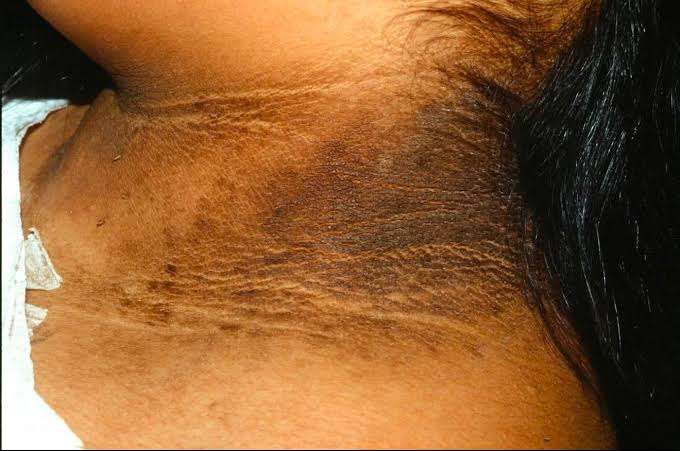

Dark neck discoloration can develop gradually and may be linked to several skin or health-related factors. Understanding when to seek professional advice is important, particularly when the skin becomes darker, thicker, or changes in texture. Dark Neck Whitening Treatment Dubai is a relevant topic for people exploring professional skin care options, including those researching services such as Dynamic Clinic in Dubai.
What Causes Dark Discoloration Around the Neck?
Dark skin around the neck does not always develop because of poor hygiene or sun exposure. Several factors can contribute to changes in skin pigmentation, including:
-
Acanthosis nigricans: A condition that causes darker, thicker, and sometimes velvety skin, commonly around the neck folds.
-
Insulin resistance: Changes in insulin levels may be associated with dark, thickened patches on the neck.
-
Hormonal changes: Certain hormonal conditions can influence pigmentation and skin texture.
-
Friction: Repeated rubbing from tight collars, jewellery, or skin folds may contribute to irritation and discoloration.
-
Skin inflammation: Previous irritation or inflammation can leave darker patches through post-inflammatory hyperpigmentation.
-
Sun exposure: Regular exposure to sunlight can increase melanin production and make existing pigmentation more noticeable.
Identifying the possible cause helps determine whether the concern requires medical attention or a skin-focused approach.
When Should You Seek Medical Assessment?
Medical assessment becomes important when dark neck discoloration appears suddenly, continues to spread, or develops alongside other physical changes. A healthcare professional can examine the affected area and identify whether the pigmentation is related to a skin condition or an underlying health concern.
Pay attention to changes such as:
-
Dark patches that become thicker or develop a velvety texture.
-
Discoloration that spreads to the underarms, groin, or other skin folds.
-
Persistent itching, redness, irritation, or discomfort.
-
Sudden pigmentation without an obvious cause.
-
Skin changes accompanied by unexplained weight changes or increased thirst.
-
Pigmentation that does not improve despite gentle skin care.
These signs do not automatically indicate a serious condition, but they may require further investigation.
How Can Acanthosis Nigricans Affect Neck Skin?
Acanthosis nigricans is an important condition to consider when assessing dark neck discoloration. It often appears as brown, grey, or darkened patches with a thick or velvety surface.
The condition commonly affects areas where skin folds are present. Although it is not usually painful, its appearance may change over time. In some individuals, it is associated with insulin resistance, obesity, or hormonal conditions.
Medical evaluation can help determine whether additional investigations, such as blood glucose or other metabolic tests, are appropriate. Treating the underlying contributing condition may also help manage the skin changes.
What Happens During a Medical Skin Assessment?
A medical assessment generally begins with a discussion about when the discoloration appeared and whether it has changed over time. The healthcare professional may ask about personal health history, medications, skin care habits, and other symptoms.
The examination may include:
-
Visual skin inspection: Checking the colour, thickness, texture, and distribution of pigmentation.
-
Medical history review: Identifying possible hormonal, metabolic, or medication-related factors.
-
Symptom evaluation: Discussing itching, irritation, spreading patches, or other physical changes.
-
Additional testing: Recommending blood tests or further investigations when an underlying condition is suspected.
A skin examination is often sufficient to identify common pigmentation patterns, although additional tests may be necessary in certain cases.
When Is Professional Whitening Treatment Appropriate?
Professional pigmentation treatments may be considered when the cause of discoloration has been assessed and the skin is suitable for cosmetic care. Treatment selection depends on skin type, pigmentation depth, sensitivity, and the presence of any underlying condition.
Possible approaches include:
-
Topical products designed to manage uneven pigmentation.
-
Chemical exfoliation under professional guidance.
-
Selected laser-based treatments for suitable pigmentation concerns.
-
Skin care adjustments that help reduce irritation and further darkening.
Not every dark neck condition responds to the same treatment. For example, pigmentation associated with insulin resistance may require attention to metabolic health rather than cosmetic treatment alone.
Why Should You Avoid Self-Treating Persistent Neck Discoloration?
Using strong bleaching creams, harsh exfoliants, or unverified whitening products without professional guidance can irritate delicate neck skin. Inflammation may increase pigmentation, particularly in individuals prone to post-inflammatory hyperpigmentation.
It is also important to avoid aggressive scrubbing. Dark patches caused by acanthosis nigricans or other medical conditions generally cannot be resolved through repeated washing.
Gentle skin care practices include:
-
Using mild, fragrance-free cleansers.
-
Applying suitable moisturisers to maintain the skin barrier.
-
Using broad-spectrum sunscreen on exposed neck skin.
-
Avoiding tight clothing that repeatedly rubs against the affected area.
-
Seeking advice before introducing strong active ingredients.
Conclusion
Medical assessment is important when dark neck discoloration appears suddenly, becomes thicker, spreads, or occurs alongside other health changes. Identifying the underlying cause helps distinguish ordinary pigmentation from conditions such as acanthosis nigricans or post-inflammatory hyperpigmentation. A professional evaluation also helps determine whether medical management, skin care adjustments, or cosmetic pigmentation treatments are appropriate. Early attention can prevent unsuitable treatments and support a safer approach to improving skin appearance.

