

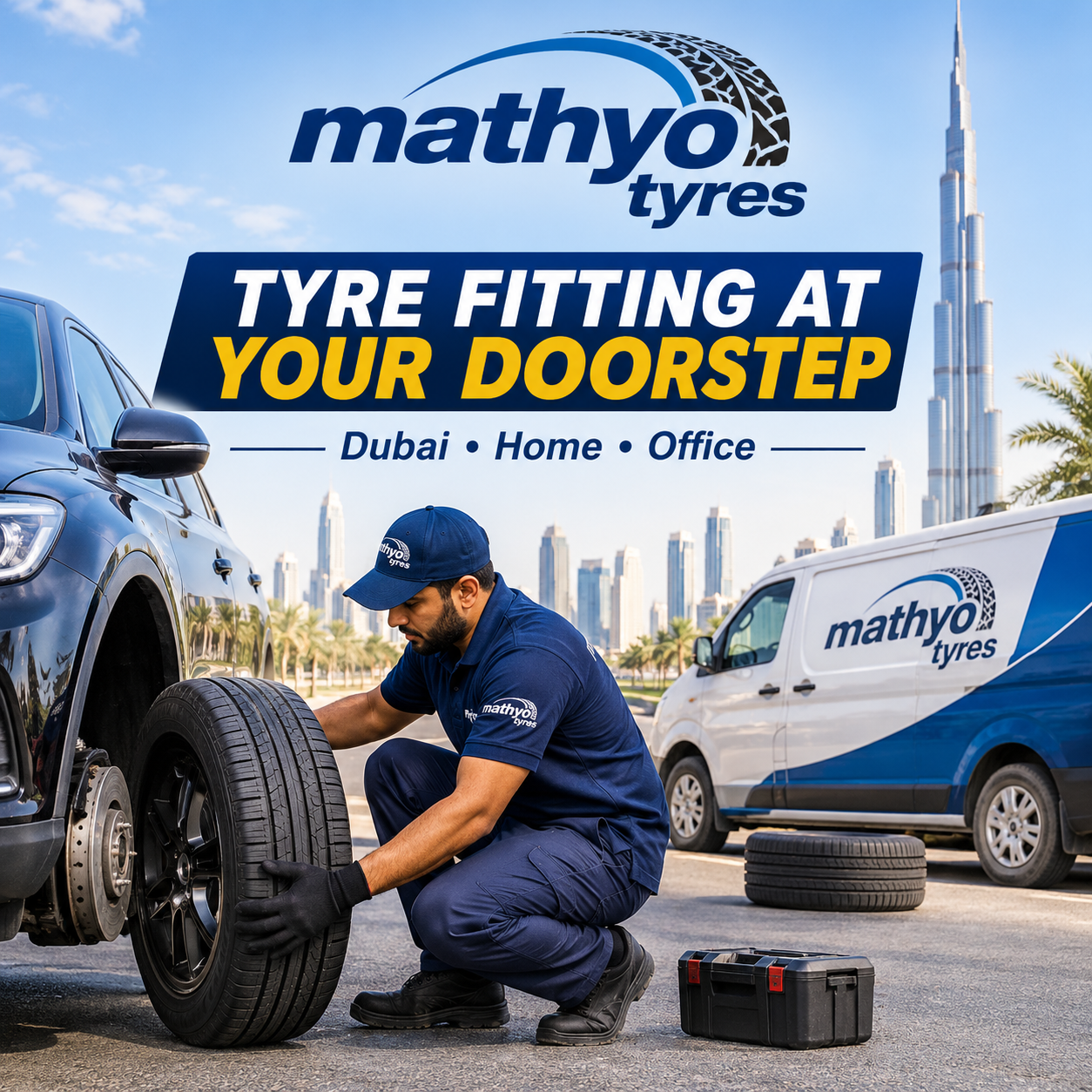

Buying new tyres is an important responsibility for every vehicle owner. Tyres affect road grip, braking, steering, and overall driving comfort, so selecting the right set requires careful attention. In Dubai, drivers also need to consider high temperatures, busy roads, and frequent highway travel. Understanding what to check before making a purchase can help prevent compatibility issues and unnecessary expenses.
Confirm the Correct Tyre Size
The first step is identifying the tyre size recommended for the vehicle. This information is usually available in the owner's manual or on the tyre information label fitted to the vehicle.
Tyre size includes details such as width, aspect ratio, and rim diameter. These measurements must match the vehicle's approved specifications. Installing an unsuitable size can affect handling, speedometer accuracy, and clearance.
Do not select a replacement simply because it fits onto the wheel. Confirm that the complete specification is appropriate for the vehicle.
Check Load Index and Speed Rating
The load index indicates the maximum load a tyre is designed to carry under specified conditions. The speed rating identifies the tyre's approved speed capability according to its rating category.
Both specifications matter when selecting replacements. A tyre with an unsuitable load index may not support the vehicle's requirements, particularly when carrying passengers or luggage.
Always follow the vehicle manufacturer's recommendations. If you are uncertain, ask a qualified tyre professional to confirm the correct specifications.
Compare Available Maxxis Options
Drivers researching where to buy maxxis tyres dubai should compare the available models, sizes, and specifications before making a decision. Different products may be designed for different vehicle categories and driving requirements.
Ask the seller to confirm that the selected model is suitable for your vehicle. It is also sensible to compare the quoted price with the included services, such as fitting, balancing, and inspection.
A brand name alone does not guarantee that every model will suit every vehicle. The exact product specification should guide the purchase.
Inspect the Manufacturing Date
Tyres are manufactured with a date code that identifies their production week and year. Checking this information helps buyers understand how old the product is before installation.
Rubber can deteriorate over time, even when a tyre has not been used extensively. Storage conditions also matter. Ask the seller about storage practices and review the manufacturer's guidance on tyre age and service life.
Avoid accepting products with unclear manufacturing information or visible signs of poor storage.
Consider Dubai's Climate
High temperatures can increase the demands placed on tyres, particularly during extended journeys. Drivers should select products suitable for their vehicle and maintain them according to the manufacturer's recommendations.
Correct tyre pressure is especially important. Underinflated tyres can generate additional heat, while incorrect pressure may affect handling and tread wear.
Check tyre pressure regularly when the tyres are cold. Also inspect the sidewalls for cracks, cuts, or bulges.
Look at Tread Design and Intended Use
Different tread patterns serve different purposes. Some are developed for everyday city driving, while others may focus on highway stability, wet-road performance, or particular vehicle categories.
Think about where the vehicle is normally driven. Daily commuting, long-distance travel, and occasional trips on rougher surfaces may require different performance characteristics.
Review the manufacturer's information instead of choosing based only on appearance.
Compare the Complete Purchase Cost
The lowest advertised price is not always the best overall deal. Ask whether the quotation includes installation, wheel balancing, valve replacement, and any applicable warranty.
Confirm the seller's return policy and warranty conditions. Keep the purchase receipt and product details for future reference.
Choose a Reliable Supplier
A reputable tyre supplier should provide clear product information, professional fitting, and suitable after-sales support. Before paying, verify the product specifications and make sure the tyres supplied match the quotation.
Careful research can make tyre purchasing easier and more reliable. By checking compatibility, manufacturing dates, product condition, and installation services, Dubai drivers can make a better-informed decision for their vehicles.

