


Essential Oils Market is creating new opportunities for businesses involved in botanical cultivation, extraction, processing, and consumer product manufacturing. Essential oils depend on natural plant resources, making agricultural practices and raw material availability important considerations for industry participants. Manufacturers source botanical materials from different regions to produce oils used in cosmetics, fragrances, personal care products, and aromatherapy applications. Increasing attention to natural ingredients is encouraging businesses to strengthen their sourcing arrangements and improve production processes. At the same time, sustainability and traceability are becoming important considerations for companies seeking reliable supplies and stronger relationships with environmentally conscious customers.
The increasing importance of responsible sourcing is encouraging businesses to explore sustainable botanical oil production and plant extract sourcing. This approach focuses on maintaining reliable relationships with agricultural suppliers, supporting appropriate cultivation methods, and improving transparency throughout the procurement process. Botanical ingredients can be influenced by climate conditions, soil characteristics, harvesting practices, and seasonal availability. Companies are therefore paying closer attention to supplier selection and raw material traceability. Responsible sourcing can also help manufacturers manage supply chain challenges while strengthening their positioning among customers who value transparent ingredient origins.
Agricultural cultivation plays a fundamental role in essential oil production. Different plants require specific growing environments, harvesting periods, and processing methods to obtain suitable raw materials. Lavender, peppermint, eucalyptus, citrus plants, and other botanical varieties are cultivated in different regions according to local conditions. Agricultural producers must consider plant health, harvesting efficiency, and resource management when supplying manufacturers. Changes in weather patterns and environmental conditions can influence the availability and characteristics of botanical materials. Establishing reliable supplier relationships and improving agricultural coordination can help essential oil businesses manage these challenges and maintain consistent production requirements.
Extraction technology is another important factor influencing manufacturing efficiency and product quality. Steam distillation is commonly used for obtaining essential oils from many plant materials, while cold pressing is particularly relevant for certain citrus oils. Different botanical ingredients require suitable processing approaches to preserve their characteristic fragrance properties. Manufacturers are exploring improvements in extraction equipment, processing conditions, and quality-control systems. Efficient production methods can help reduce unnecessary resource consumption and improve consistency. Businesses that invest in suitable processing technology can strengthen their manufacturing capabilities while responding to the quality expectations of cosmetic, fragrance, and personal care customers.
Supply chain transparency is becoming increasingly relevant to essential oil manufacturers. Customers and business buyers may seek information about botanical origins, processing practices, and ingredient quality. Traceability systems can help businesses maintain records related to suppliers, raw material batches, and production activities. This information can support quality assurance and improve communication with commercial customers. Manufacturers are also strengthening supplier evaluation procedures to identify potential quality and sourcing risks. Clear documentation and reliable procurement practices can improve business relationships while helping companies respond to changing expectations around responsible production and ingredient transparency.
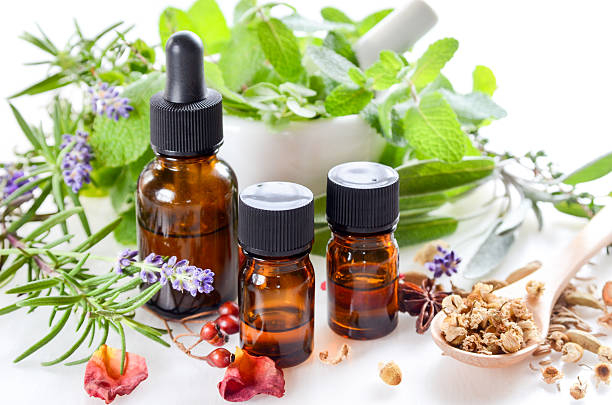
Packaging sustainability is providing another area for innovation. Essential oils are often packaged in bottles designed to protect their fragrance characteristics and maintain product integrity. Manufacturers are examining packaging materials, dispensing mechanisms, and secondary packaging requirements to improve overall efficiency. Dark-colored glass containers are commonly used for certain products because they help limit exposure to light. Businesses are also considering recyclable packaging options and reducing unnecessary packaging components where practical. The challenge is to balance environmental considerations with product protection, transportation requirements, and consumer convenience. Thoughtful packaging decisions can support stronger product positioning.
Competition within the essential oils sector is encouraging manufacturers to improve both product quality and business operations. Companies are developing new botanical blends, specialized fragrance collections, and application-specific formulations for different industries. Strong relationships with farmers, processors, packaging suppliers, and distributors can support more coordinated production activities. Businesses are also using digital technologies to improve procurement planning and monitor inventory requirements. Quality certifications and suitable testing procedures may help commercial buyers evaluate supplier capabilities. Manufacturers that combine reliable sourcing with consistent processing standards can create stronger value propositions for customers in competitive product categories.
The future of the Essential Oils Market will depend partly on the industry's ability to balance growing commercial opportunities with responsible botanical resource management. Sustainable cultivation, transparent procurement, improved extraction processes, and efficient packaging will remain important considerations. Businesses may increasingly invest in supplier partnerships and traceability systems to support long-term operational stability. Demand from cosmetics, personal care, aromatherapy, and fragrance manufacturers will continue creating opportunities for specialized botanical ingredients. Companies that prioritize product quality and responsible sourcing can strengthen their position as the industry responds to evolving customer expectations and environmental considerations.
FAQs
Q1. Why is sustainable sourcing important for essential oils?
It supports responsible botanical cultivation and helps maintain reliable raw material supplies.
Q2. Which extraction methods are used for essential oils?
Steam distillation and cold pressing are among the commonly used extraction methods.
Q3. How does traceability benefit essential oil manufacturers?
It helps monitor ingredient origins, supplier information, and production quality.

