

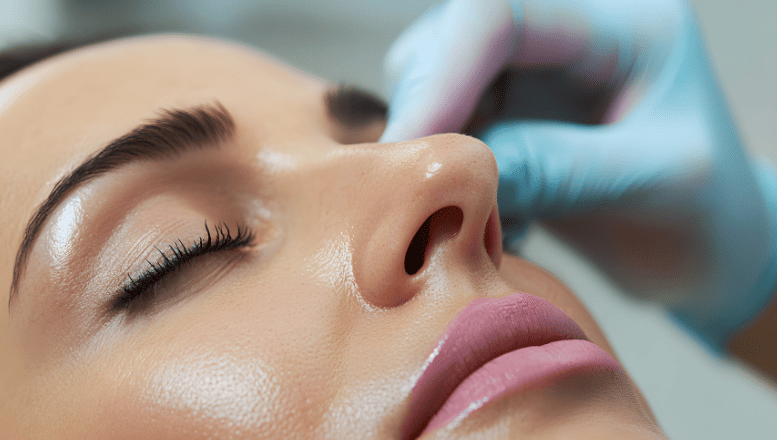

Many patients considering Rhinoplasty in Islamabad believe the procedure is purely cosmetic. While rhinoplasty is widely known for reshaping the nose and improving facial appearance, it also plays an important medical role in correcting breathing difficulties. In fact, for many individuals, improving nasal airflow is one of the primary reasons for undergoing the procedure.
Breathing problems caused by structural abnormalities in the nose can affect daily comfort, sleep quality, exercise capacity, and overall quality of life. Modern rhinoplasty techniques are designed not only to enhance appearance but also to restore proper nasal function.
Understanding how rhinoplasty can improve breathing helps patients make informed decisions about whether the procedure is right for them.
Understanding Breathing Problems Related to the Nose
The nose is responsible for filtering, warming, and humidifying the air we breathe. When its internal structure is compromised, airflow can become restricted.
Common causes of nasal breathing difficulties include:
- Deviated septum
- Nasal valve collapse
- Enlarged nasal turbinates
- Nasal trauma or injury
- Congenital structural abnormalities
- Chronic inflammation or obstruction
When these conditions interfere with airflow, patients may experience symptoms such as nasal congestion, mouth breathing, snoring, or difficulty breathing during physical activity.
Rhinoplasty can address many of these underlying structural issues.
What Is Functional Rhinoplasty?
Functional rhinoplasty is a type of nose surgery that focuses on improving breathing rather than only changing appearance. It is often combined with cosmetic rhinoplasty to achieve both functional and aesthetic benefits in a single procedure.
The main goal is to correct internal nasal structures that restrict airflow while maintaining or improving the external appearance of the nose.
In many cases, patients are unaware that their breathing issues are related to structural problems that can be surgically corrected.
How Rhinoplasty Improves Breathing
Rhinoplasty improves breathing by addressing the internal anatomy of the nose. Surgeons carefully evaluate and correct structural abnormalities that obstruct airflow.
1. Correcting a Deviated Septum
The septum is the cartilage and bone that divides the nasal cavity into two sides. When it is crooked or displaced, it can block airflow in one or both nostrils.
A deviated septum is one of the most common causes of breathing problems. During rhinoplasty, the septum can be straightened to improve airflow and balance.
2. Strengthening the Nasal Valve
The nasal valve is a narrow area inside the nose that regulates airflow. If this area is weak or collapsed, it can significantly restrict breathing.
Rhinoplasty techniques can reinforce the nasal valve structure, improving airflow and reducing obstruction.
3. Reducing Turbinate Size
Turbinates are structures inside the nose that help humidify air. When they become enlarged due to allergies or chronic inflammation, they can block airflow.
In some cases, rhinoplasty may include procedures to reduce turbinate size, allowing for better breathing.
4. Improving Nasal Symmetry
A crooked or asymmetrical nose can affect internal airflow pathways. By straightening and reshaping the nose, rhinoplasty helps create a more open and balanced airway.
5. Repairing Trauma or Injury
Nasal injuries can cause fractures or internal collapse that interfere with breathing. Rhinoplasty can restore both structure and function after trauma.
Cosmetic and Functional Benefits Combined
One of the major advantages of modern rhinoplasty is the ability to combine cosmetic improvements with functional correction.
Patients can benefit from:
- Improved nasal shape
- Enhanced facial harmony
- Better airflow
- Reduced snoring
- Easier breathing during exercise
This dual benefit makes rhinoplasty a highly effective solution for individuals with both aesthetic concerns and breathing difficulties.
Who Needs Functional Rhinoplasty?
Not everyone with breathing problems requires surgery, but rhinoplasty may be recommended for patients who experience:
- Chronic nasal blockage
- Difficulty breathing through one or both nostrils
- Persistent mouth breathing
- Frequent sinus discomfort
- Reduced exercise tolerance due to airflow limitation
- Snoring or sleep disturbances
A thorough evaluation by a qualified surgeon helps determine whether structural correction is needed.
Diagnosis Before Rhinoplasty
Before recommending surgery, surgeons perform a detailed examination of the nose. This may include:
- Physical nasal examination
- Internal nasal inspection
- Breathing assessment
- Medical history review
- Imaging tests if necessary
This evaluation helps identify the exact cause of breathing issues and ensures the treatment plan is appropriate.
Does Rhinoplasty Always Improve Breathing?
In most cases, rhinoplasty can significantly improve breathing when structural issues are present. However, results depend on several factors:
- Severity of the obstruction
- Surgical technique used
- Healing process
- Overall nasal anatomy
- Patient compliance during recovery
When performed correctly by an experienced surgeon, functional rhinoplasty can provide long-term improvement in airflow and nasal comfort.
Recovery and Breathing Improvement Timeline
Breathing improvement after rhinoplasty does not occur immediately. Swelling inside the nose can temporarily affect airflow during the healing process.
First Few Weeks
Patients may experience congestion and mild difficulty breathing due to swelling.
One to Three Months
Internal swelling begins to reduce, and breathing gradually improves.
Three to Six Months
Most patients notice significant improvement in airflow and nasal comfort.
One Year
Final functional and aesthetic results are typically achieved.
Patience is important during recovery as the nose continues to heal internally.
Long-Term Benefits of Functional Rhinoplasty
When structural issues are properly corrected, rhinoplasty can provide long-lasting breathing improvements.
Long-term benefits may include:
- Easier nasal breathing
- Improved sleep quality
- Reduced snoring
- Better physical performance
- Fewer sinus-related issues
These benefits can significantly enhance daily life and overall well-being.
Importance of Choosing an Experienced Surgeon
The success of functional rhinoplasty largely depends on surgical expertise. The nose is a complex structure, and even minor adjustments can affect both appearance and breathing.
An experienced surgeon ensures:
- Proper diagnosis of the problem
- Balanced aesthetic and functional outcomes
- Stable nasal structure
- Natural-looking results
- Reduced risk of complications
Choosing the right surgeon is essential for achieving both cosmetic and functional success.
Realistic Expectations Matter
While rhinoplasty can greatly improve breathing, it is important to maintain realistic expectations. Not all breathing issues are caused by structural problems that can be corrected surgically.
In some cases, allergies or chronic inflammation may also contribute to symptoms. A comprehensive evaluation helps determine what improvements are possible.
Patients who understand the limitations and benefits of the procedure are more likely to be satisfied with their results.
Conclusion
Rhinoplasty in Islamabad can effectively improve breathing problems when they are caused by structural abnormalities in the nose. By correcting issues such as a deviated septum, nasal valve collapse, or trauma-related deformities, the procedure restores proper airflow while also enhancing facial appearance. Modern rhinoplasty techniques focus on achieving both functional and aesthetic goals, making it a highly valuable solution for individuals experiencing nasal obstruction. With proper diagnosis, skilled surgical care, and realistic expectations, patients can experience long-term improvements in breathing, comfort, and quality of life.
FAQs
Can rhinoplasty really improve breathing problems?
Yes. Rhinoplasty can correct structural issues inside the nose that restrict airflow and cause breathing difficulties.
What causes breathing issues that rhinoplasty can fix?
Common causes include a deviated septum, nasal valve collapse, enlarged turbinates, and nasal injuries.
Is functional rhinoplasty different from cosmetic rhinoplasty?
Functional rhinoplasty focuses on improving breathing, while cosmetic rhinoplasty focuses on appearance. Many procedures combine both.
How long does it take to breathe normally after rhinoplasty?
Breathing may improve gradually over several weeks to months as internal swelling decreases.
Can rhinoplasty help with snoring?
Yes, if snoring is caused by nasal obstruction, improving airflow may reduce or eliminate snoring.
Are breathing improvements permanent after rhinoplasty?
Yes, when structural issues are properly corrected, improvements are typically long-lasting.
Will rhinoplasty fix all types of breathing problems?
Not always. Allergies or non-structural conditions may still affect breathing even after surgery.
Who is a good candidate for functional rhinoplasty?
Individuals with chronic nasal blockage, structural deformities, or trauma-related breathing issues may benefit from the procedure.

