

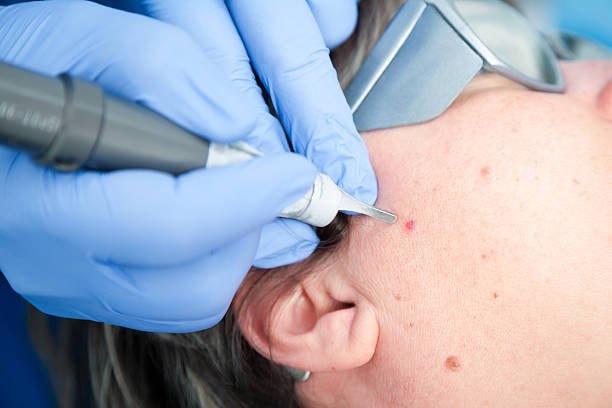

Warts are common skin growths that can develop on different parts of the body, including the hands, feet, fingers, and face. Although most warts are harmless, they can become uncomfortable, affect your appearance, and sometimes spread to surrounding skin. Choosing the right removal method depends on the wart's type, size, location, and how long it has been present. Wart removal in Riyadh (إزالة الثآليل في الرياض) provides individuals with access to professional dermatological assessment and suitable treatment options designed to address unwanted skin growths safely and effectively.
Warts develop when certain strains of the human papillomavirus (HPV) infect the outer layer of the skin. Some disappear naturally as the immune system responds to the infection, while others may persist and require professional attention. Understanding the available Wart removal in Riyadh treatments can help individuals choose an appropriate approach based on their skin condition. From freezing techniques to laser procedures and medical applications, several options are available to reduce or eliminate stubborn warts.
What Are the Most Effective Ways to Remove Warts?
The most effective wart removal method depends on individual skin conditions and the characteristics of the growth. A dermatologist examines the affected area before recommending a suitable procedure. The following are commonly used treatment options.
1. Cryotherapy (Freezing Treatment)
Cryotherapy is a widely used treatment that involves applying liquid nitrogen to freeze unwanted wart tissue. The extremely low temperature damages the affected cells, allowing the wart to gradually form a blister and fall away as the skin heals.
Key benefits of cryotherapy:
-
Helps destroy wart tissue through controlled freezing.
-
Commonly used for warts on the hands and feet.
-
Usually performed as an outpatient procedure.
-
May require multiple treatment sessions depending on the wart's thickness and response.
2. Laser Wart Removal
Laser treatment uses focused light energy to target wart tissue or the blood vessels that support its growth. By damaging the affected tissue, the procedure can help reduce or eliminate selected persistent warts.
Why consider laser treatment?
-
Can be considered for certain stubborn warts.
-
Allows focused treatment of the affected area.
-
May be suitable when other approaches have not worked.
-
Requires professional assessment to determine suitability.
The type of laser and expected results depend on the wart's characteristics and the dermatologist's recommendation.
3. Electrosurgery
Electrosurgery uses controlled electrical energy to destroy unwanted wart tissue. In some cases, it is combined with curettage, a technique in which the dermatologist carefully scrapes away the affected tissue.
Important features include:
-
Helps remove selected raised or persistent warts.
-
Is performed under appropriate medical supervision.
-
May require local anesthesia.
-
Can involve temporary redness, tenderness, or scarring during recovery.
4. Salicylic Acid Treatment
Salicylic acid is a commonly used ingredient in topical wart treatments. It gradually breaks down the thickened skin layers that form the wart, allowing the affected tissue to be removed over time.
Benefits of this treatment include:
-
Helps soften and gradually remove thickened wart tissue.
-
Can be used for certain common and plantar warts.
-
May require regular application over several weeks.
-
Is available in different medical formulations.
It is important to follow professional instructions because salicylic acid can irritate healthy skin. It should not be applied to sensitive areas such as the face or genital region without medical advice.
5. Surgical Wart Removal
Surgical removal involves physically removing the wart using an appropriate medical technique. Dermatologists may consider this option when a wart is particularly persistent or other treatments have been unsuccessful.
Some important considerations include:
-
Provides direct removal of the visible growth.
-
May be appropriate for selected difficult-to-treat warts.
-
Usually involves local anesthesia.
-
Requires proper wound care during recovery.
Surgical removal is not suitable for every wart because it may cause scarring, and the growth can sometimes return.
How Do You Choose the Right Wart Removal Method?
Selecting the right treatment requires understanding the wart's appearance, location, and severity. A dermatologist considers several factors before recommending a procedure.
Consider the Type of Wart
Different wart types may respond differently to treatment. Common warts, plantar warts, flat warts, and filiform warts require individual assessment to determine the most suitable approach.
Evaluate the Location
Warts on the face, around the nails, or on sensitive skin require particular care. Treatment should be selected to minimize irritation and protect surrounding healthy tissue.
Understand the Size and Thickness
Small, superficial warts may respond to topical treatments, while larger or thicker growths may require procedures such as cryotherapy or other professional techniques.
Consider Previous Treatment Results
If a wart returns or does not respond to an earlier treatment, a dermatologist may recommend another approach after reviewing the previous treatment and confirming the diagnosis.
What Should You Expect During Professional Wart Removal?
Professional treatment generally begins with a skin examination to confirm that the growth is a wart rather than another type of skin condition.
Initial Consultation
The dermatologist examines the affected area, asks about previous treatments, and reviews relevant medical history. Additional examination or testing may be recommended if the growth looks unusual.
Treatment Procedure
Once the appropriate method is selected, the specialist prepares the affected area and performs the procedure. Depending on the technique, the process may involve freezing, applying a medical solution, using laser energy, or removing the tissue.
Recovery and Follow-Up
After treatment, patients receive instructions for caring for the treated skin. Some procedures may cause temporary redness, blistering, tenderness, or scabbing. Follow-up appointments may be recommended to evaluate healing and determine whether additional treatment is needed.
How Can You Prevent Warts From Spreading?
Although warts are common, certain hygiene habits can help reduce their spread.
-
Avoid touching, scratching, or picking existing warts.
-
Do not share towels, footwear, or personal grooming tools.
-
Keep cuts and scratches clean and covered.
-
Wear footwear in shared showers and swimming areas.
-
Avoid shaving directly over wart-affected skin.
-
Wash your hands after touching an affected area.
These habits can reduce opportunities for HPV transmission, although they cannot guarantee complete prevention.
When Should You Consider Professional Wart Removal?
Professional assessment is recommended when warts become painful, continue growing, spread to other areas, or fail to respond to home treatments. You should also consult a dermatologist if a growth bleeds, changes color, develops an unusual appearance, or cannot be confidently identified as a wart.
People with diabetes, circulation problems, or weakened immune systems should seek medical advice before attempting home removal. Avoid cutting, burning, or using harsh chemicals on unwanted skin growths.
Choosing professional Wart removal in Riyadh allows individuals to understand their treatment options and receive recommendations based on their specific skin concerns.
Book Your Appointment at Royal Clinic Saudia
If you are dealing with persistent or unwanted warts, professional dermatological guidance can help you find an appropriate treatment approach. Royal Clinic Saudia (عيادات رويال كلينك) provides skin assessment and guidance about available wart removal procedures. Contact the clinic to arrange an appointment, discuss your concerns with a specialist, and learn which treatment may be suitable for your skin.
FAQs:
1. What is the fastest way to remove a wart?
The fastest approach depends on the wart's size, location, and type. Procedures such as cryotherapy, electrosurgery, or selected laser treatments may help remove certain warts, although complete healing can take additional time.
2. Can warts be removed permanently?
Warts can be successfully removed, but recurrence is possible because HPV may remain in nearby skin. Appropriate treatment and hygiene practices can help reduce the risk of new growths.
3. Is laser treatment effective for removing stubborn warts?
Laser treatment can be effective for selected persistent warts by targeting affected tissue or its blood supply. However, suitability and results vary depending on the individual condition.
4. Can I remove warts at home?
Some common warts can be treated with over-the-counter salicylic acid products. However, home treatment is not appropriate for every growth, particularly those on the face, genital area, or near sensitive structures. Professional assessment is recommended when the diagnosis is uncertain.

