

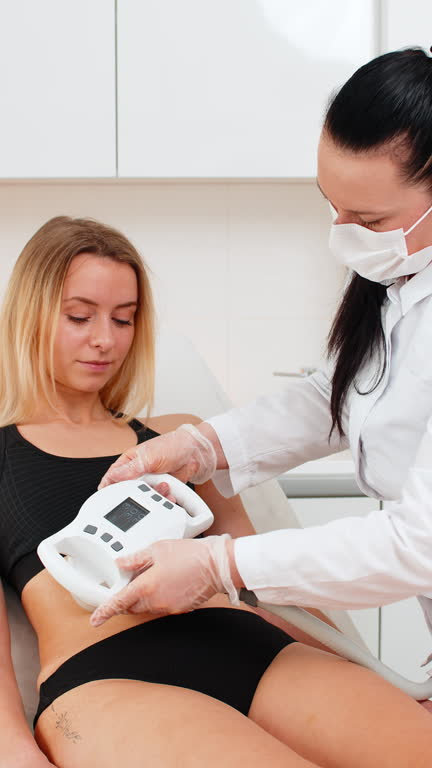

Liposonix Fat Removal in Dubai is a non-surgical body-contouring option designed to address selected areas of localised fat that remain noticeable despite a generally healthy lifestyle. The treatment uses high-intensity focused ultrasound (HIFU) energy to target subcutaneous fat beneath the skin, without requiring surgical incisions or conventional liposuction. Understanding its mechanism, suitability, limitations, and recovery expectations can help patients decide whether this approach matches their body-contouring goals.
At Tajmeels Clinic, treatment planning should begin with an assessment of the area being considered, the thickness and distribution of the fat layer, skin condition, medical history, and the patient's expectations. The aim is to determine whether focused ultrasound is appropriate rather than assume that every area of unwanted fullness will respond in the same way.
What Is Liposonix Fat Removal in Dubai?
Liposonix is a non-invasive body-contouring technology that uses focused ultrasound energy to create a controlled thermal effect within targeted subcutaneous adipose tissue. The energy is concentrated beneath the skin rather than applied as a surgical fat-removal procedure.
The technology is intended for selected patients seeking a reduction in localised fat, particularly around the waist and abdominal region. It is not designed to treat obesity, replace weight management, or produce the same degree of change as surgical fat removal.
How Focused Ultrasound Targets Subcutaneous Fat
Subcutaneous fat is the layer of adipose tissue located between the skin and deeper structures. It contributes to the shape and contour of areas such as the abdomen, waist, and flanks.
Liposonix delivers focused ultrasound energy to a selected tissue depth. The resulting thermal effect disrupts targeted fat cells. The body's natural inflammatory and clearance processes then gradually remove cellular debris.
This biological response takes time. A patient should not expect the full contouring effect immediately after treatment.
How Liposonix Differs From Ordinary Ultrasound
Diagnostic ultrasound is primarily used to create images of internal structures. Liposonix uses focused therapeutic ultrasound to produce a controlled tissue effect for aesthetic body contouring.
The distinction is important because different ultrasound devices have different technologies, intended uses, treatment depths, and safety requirements. A clinic should be able to explain the exact device being used rather than describe every ultrasound-based procedure as equivalent.
Which Areas Can Be Considered for Liposonix Fat Removal in Dubai?
The intended treatment area depends on the device's approved indication, the patient's anatomy, and the clinician's assessment. Liposonix has been specifically indicated in US FDA documentation for non-invasive waist circumference reduction.
Potential areas for assessment may include:
-
Abdominal fullness: Localised fat around the waistline or abdomen.
-
Flanks: Fat deposits around the sides of the waist.
-
Waist contour: Areas where localised fullness affects the outline of the midsection.
Not every area is suitable for this technology. The treatment should not be assumed to be appropriate for the thighs, arms, face, or other body regions simply because another body-contouring device can treat them.
Why Fat Distribution Matters
Two patients with similar body weights may have very different fat distributions. One may have a small, clearly defined abdominal fat pocket, while another may have widespread fullness or a more prominent visceral fat component.
Focused ultrasound body contouring targets selected subcutaneous tissue. It does not remove visceral fat, which is located deeper inside the abdomen around internal organs.
A clinical assessment helps distinguish between these patterns and establish whether a localised treatment could realistically address the concern.
Who May Be Suitable for Liposonix Fat Removal in Dubai?
Liposonix may be considered for adults who are close to their preferred weight but have specific areas of stubborn subcutaneous fat. The most appropriate candidate is generally someone seeking a modest contour improvement rather than substantial weight reduction.
A consultation should consider:
-
Whether the concern is caused by accessible subcutaneous fat.
-
Whether the treatment area has sufficient tissue thickness for the selected device.
-
Whether the patient's weight is reasonably stable.
-
Whether the skin and underlying anatomy are suitable.
-
Whether medical history or medications introduce additional risks.
-
Whether the expected outcome matches the patient's goals.
Who May Not Be an Appropriate Candidate?
Some circumstances require treatment to be postponed or avoided. Pregnancy and breastfeeding are listed as contraindications in the FDA documentation for the LipoSonix system. A hernia in the treatment area and insufficient fat thickness beyond the selected focal depth are also listed as reasons a patient may be ineligible.
Other medical conditions, previous procedures, implanted devices, skin problems, and relevant medications should be reviewed before treatment. The exact precautions depend on the device and the patient's circumstances.
Liposonix is not a substitute for a medical weight-management programme or a treatment for generalised obesity.
What Happens During a Liposonix Treatment Session?
The treatment process begins with consultation and assessment. The clinician reviews the patient's goals, examines the proposed area, and determines whether the available device is suitable.
A typical appointment may involve the following stages:
-
Consultation: Discuss the patient's concerns, medical history, and expectations.
-
Treatment-area assessment: Evaluate fat distribution, tissue thickness, skin condition, and relevant anatomy.
-
Preparation: The area is prepared according to the device manufacturer's instructions and clinical protocol.
-
Ultrasound application: The trained practitioner uses the treatment handpiece to deliver focused energy to the selected area.
-
Post-treatment review: The clinician explains expected temporary effects, aftercare, and follow-up arrangements.
Treatment duration and the number of sessions depend on the area, device, and individual plan. Patients should ask the clinic for an explanation of the specific system and protocol being offered.
Is Liposonix Painful?
Sensation varies between patients. Some may experience significant warmth, pressure, tingling, or discomfort while the ultrasound energy is delivered. Temporary tenderness can also occur afterwards.
The clinician should explain what sensations are expected and how discomfort will be managed. Severe or unexpected pain should not be dismissed as a normal part of treatment.
When Do Results Become Visible?
Liposonix does not produce an instant removal of visible fat. The targeted tissue undergoes a biological response, and the body gradually clears the disrupted cellular material.
As a result, contour changes may develop over several weeks. The timing and degree of improvement vary with the individual, the treatment area, and the device protocol.
A clinical study submitted in the FDA clearance documentation reported a measurable difference in waist circumference at a 12-week assessment. This is a study result, not a guarantee of the same outcome for every patient.
What Influences the Final Outcome?
Several factors can affect the visible result:
-
The amount and location of subcutaneous fat.
-
The patient's anatomy and tissue characteristics.
-
Whether the selected treatment area is appropriate.
-
The device used and the practitioner's training.
-
Changes in body weight during the follow-up period.
-
Individual healing and tissue-response patterns.
Photographs and consistent circumference measurements may help document changes more objectively than relying on day-to-day visual impressions.
Liposonix Fat Removal in Dubai Compared With Liposuction
Both treatments aim to improve body contour, but they work in fundamentally different ways.
| Feature | Liposonix | Surgical liposuction |
|---|---|---|
| Method | Focused ultrasound energy | Surgical removal of fat |
| Incisions | No conventional surgical incision | Small surgical incisions |
| Anaesthesia | Depends on device and clinical protocol | Depends on surgical plan |
| Fat removal | Gradual biological clearance after targeted tissue disruption | Fat is physically removed |
| Recovery | Usually less involved than surgery, but temporary effects can occur | Requires surgical recovery |
| Expected change | Generally intended for modest, localised contouring | Can address larger volumes in suitable candidates |
Liposonix should not be presented as a non-surgical equivalent to liposuction. Patients seeking a more substantial change may need to discuss surgical and non-surgical alternatives with a qualified clinician.
Liposonix Fat Removal in Dubai and Other Non-Surgical Body-Contouring Options
Not all non-surgical fat-reduction technologies use the same mechanism. Some use focused ultrasound, while others rely on controlled cooling, radiofrequency, or different energy-based approaches.
The right option depends on the treatment area, tissue thickness, skin quality, medical history, and the outcome being pursued.
A useful consultation should explain:
-
Which technology is being proposed.
-
What tissue the device is designed to target.
-
Whether the device is appropriate for the specific body area.
-
What clinical evidence supports the expected result.
-
What risks and limitations apply.
-
Whether another treatment would be more suitable.
Choosing a procedure based only on a promotional description or a general claim of fat reduction can lead to unrealistic expectations.
Safety Considerations and Possible Side Effects
Non-invasive does not mean risk-free. Focused ultrasound creates a controlled thermal effect, and unintended tissue exposure can cause injury.
Possible temporary effects include tenderness, swelling, redness, bruising, tingling, altered sensation, or discomfort. More significant complications can include burns, tissue injury, or nerve-related symptoms.
The American Institute of Ultrasound in Medicine emphasises that high-intensity focused ultrasound requires appropriately trained practitioners because excessive exposure or incorrect targeting can damage unintended structures.
Patients should disclose relevant medical conditions, previous surgery, hernias, implanted devices, and medications during consultation. The clinician should also explain the device-specific contraindications and precautions.
Warning Signs That Need Medical Review
Contact the treating clinic if symptoms are severe, worsening, or unexpected. Blistering, significant burns, persistent numbness, severe pain, or signs of infection should receive prompt medical assessment.
Aftercare Following Liposonix Fat Removal in Dubai
Aftercare instructions should be tailored to the device and the patient's response. The clinic should provide clear guidance on activity, skin care, symptom monitoring, and follow-up.
General considerations include:
-
Follow the clinician's instructions rather than applying unapproved treatments to the area.
-
Avoid excessive pressure or friction if the treated area is tender.
-
Maintain normal hydration and balanced nutrition.
-
Continue regular physical activity when comfortable and medically appropriate.
-
Keep weight reasonably stable to help assess the contouring result.
-
Attend recommended follow-up appointments.
Patients should not assume that intense exercise, restrictive dieting, or aggressive massage will accelerate the body's response to treatment.
Clinic Note
Liposonix is a body-contouring procedure, not a weight-loss treatment. A careful assessment of fat thickness, treatment-area anatomy, medical history, and realistic expectations is essential before deciding whether focused ultrasound is appropriate.
Frequently Asked Questions
Is Liposonix Fat Removal in Dubai a weight-loss treatment?
No. It is intended to address selected deposits of subcutaneous fat and improve localised body contour. It does not replace weight management or treat obesity.
How long does it take to see Liposonix results?
Changes develop gradually as the body responds to the treated tissue. The timing varies, and a follow-up assessment over several weeks is more useful than judging the outcome immediately.
Can Liposonix treat visceral belly fat?
No. The technology targets selected subcutaneous fat beneath the skin. It does not remove visceral fat surrounding internal organs.
Is Liposonix suitable for everyone?
No. Suitability depends on tissue thickness, anatomy, medical history, treatment location, and device-specific contraindications. Pregnancy, breastfeeding, and a hernia in the treatment area are among the contraindications listed for the LipoSonix system in FDA documentation.
Does Liposonix require surgery?
Liposonix is a non-invasive procedure and does not involve conventional surgical fat removal. However, it still uses therapeutic energy and must be performed by an appropriately trained practitioner.
Can Liposonix replace liposuction?
No. The procedures have different mechanisms and are intended for different levels of body-contouring change. A consultation can help establish which approach is more appropriate.
Explore Liposonix Fat Removal in Dubai at Tajmeels Clinic
Choosing a body-contouring treatment should involve more than identifying an area of unwanted fullness. Understanding the type of fat, the technology being considered, and the realistic scope of improvement is essential for making an informed decision.
At Tajmeels Clinic, patients can discuss their body-contouring concerns and undergo an individual assessment to explore whether Liposonix Fat Removal in Dubai is an appropriate option. A personalised consultation can clarify suitability, expected outcomes, safety considerations, and alternative treatments before a decision is made.

