The Critical Importance of Documenting Housekeeping Injuries

In the high-paced world of professional facility maintenance, injuries are an unfortunate reality, yet they are often preventable through proper training and stringent adherence to safety protocols. One of the most common, yet frequently overlooked, hazards in the hospitality and healthcare sectors is the improper manual handling of heavy, saturated items. Lifting wet laundry bags—which can weigh significantly more than dry ones due to water weight—frequently results in acute musculoskeletal injuries, particularly in the lower back and shoulders. For employees in these roles, understanding how to document such an injury is not just an administrative requirement; it is a vital step in securing worker's compensation and ensuring that the organization addresses the underlying safety hazards that caused the injury in the first place.
The Mechanics of Proper Reporting
The moment an injury occurs, the clock begins to tick. Many employees make the mistake of waiting to see if their pain subsides before reporting, but this delay can severely damage a worker's compensation claim. The first step in effective documentation is an immediate, formal report to a supervisor. When you document the incident, you must be hyper-specific. Do not simply write "hurt back while lifting." Instead, detail the exact nature of the task: "While attempting to lift a saturated laundry bag from the collection bin, I felt a sharp, acute pain in my lower lumbar region." Mention the weight of the bag, the equipment involved, and whether you were provided with the necessary lifting aids or if you were forced to perform a manual lift that exceeded recommended weight limits. This level of detail establishes a clear causal link between your job duties and your physical injury.
Gathering Corroborating Evidence
Documentation extends far beyond your initial written report. If there were coworkers nearby, ask them to provide statements regarding what they saw. Did they notice you struggling with the weight of the bag? Did they see you stumble or shift your posture during the lift? These witness accounts are invaluable in corroborating your story, especially if the employer later attempts to dispute the claim. Additionally, if there are photographs of the area—such as a torn floor covering or a poorly designed laundry bin that forces awkward lifting angles—take them immediately. These images provide essential context that supports your claim that the injury was not a result of your own carelessness, but a predictable outcome of the environment you were required to work in. Keeping a detailed log of your pain, symptoms, and medical visits from day one also strengthens your case.
The Medical Paperwork as Evidence
Your medical records are the most important pieces of evidence in your worker's compensation file. When you visit a healthcare provider, it is crucial that you explicitly explain how the injury occurred and mention that it happened during the scope of your employment. Many doctors, if not prompted, will simply record "back pain" without documenting the "work-related" aspect, which creates a massive hurdle during the insurance approval process. Ensure your physician explicitly notes the link between the lifting incident and your physical condition. If you are prescribed physical therapy, painkillers, or time off work, ensure all these recommendations are documented in writing. Your medical provider’s notes should reflect the severity of the injury and the prognosis for your recovery, as these details directly inform the amount and duration of the benefits you are entitled to receive.
The Value of Professional Safety Training
Preventing these injuries begins with a robust understanding of proper ergonomics and lifting techniques. Many workplaces have high injury rates simply because staff have not been adequately trained to manage the physical demands of their roles. Enrolling in a professional housekeeping course is one of the most effective ways to mitigate these risks. These courses go beyond basic cleaning protocols; they delve into the science of safe manual handling, the correct use of mechanical aids, and how to identify potential hazards before they manifest as injuries. When you are trained by industry experts, you gain the confidence to advocate for your own safety, knowing how to approach heavy loads without compromising your health. Investing in professional education signals to your employer that you take your role seriously, and it provides you with the standardized knowledge required to demand a safer working environment.
Navigating the Worker’s Compensation Process
Once the injury is reported and the medical evidence is gathered, you must prepare for the administrative side of the claim. This often involves filing specific forms provided by your state or regional labor board, as well as coordinating with your employer's insurance carrier. Be prepared for the insurance adjuster to ask clarifying questions about your history and the specifics of the incident. When you are asked to describe the event, stick to the facts you have already documented in your initial report. Do not speculate or volunteer information that isn't requested. Keep copies of every document—every email to your supervisor, every medical bill, and every letter from the insurance company. Having a well-organized file will allow you to stay calm and focused throughout the process, ensuring that your rights as an employee are fully protected while you focus on your physical recovery.
Categories
- Artificial Intelligence (AI)
- Technology
- Business
- Education
- Science
- Lifestyle
- Healthcare
- Entertainment
- Politics
- Environment
- Travel
- Finance
- Automobile
- News
- Art
- Causes
- Crafts
- career
- Dance
- Drinks
- Film
- Fitness
- Food
- Games
- Gardening
- Health
- Home
- Literature
- Music
- Networking
- Other
- Party
- Religion
- Shopping
- Sports
- Theater
- Wellness
Read More
Vehicle security systems are critical for protecting vehicles from theft and unauthorized access, and are increasingly incorporating advanced technologies. The Vehicle security systems market is a key segment of the broader automotive security systems industry, which is projected to reach USD 110.63 billion by 2035. This growth is driven by the increasing adoption of intrusion...

The Vitamin Mineral Supplements Market is attracting growing attention as nutrition becomes an increasingly important part of everyday wellness. Consumers are exploring products that complement dietary habits, support nutritional adequacy, and fit into busy routines. This changing outlook is encouraging manufacturers to improve formulation choices, introduce convenient delivery formats, and...

Automatic Doors Market Size, Share & Trends Analysis Report 2026–2034 Market Overview The Automatic Doors Market is experiencing steady growth as automatic entrance systems become increasingly important for accessibility, safety, hygiene, security, and energy management. The market includes automated sliding, swinging, folding, and revolving doors, along with operators, sensors,...

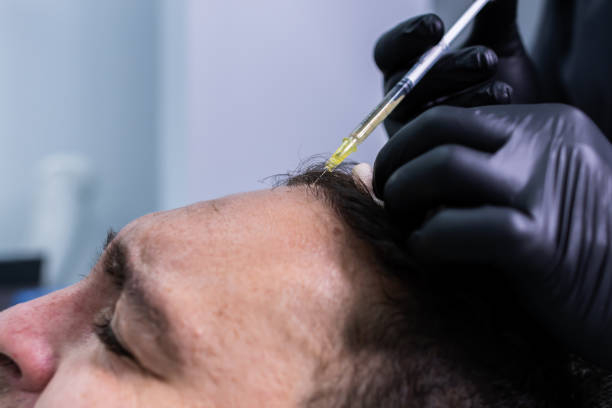
Hair thinning and hair loss can affect confidence and overall appearance, making many people search for safe and effective solutions. Among the available non-surgical options, PRP Hair Treatment in Riyadh has gained significant popularity due to its natural approach to stimulating hair growth. This innovative procedure uses the body's own healing properties to encourage healthier hair...
Few pieces have embedded themselves into British wardrobes quite like the Essentials Hoodie. Walk through Shoreditch on a Saturday afternoon, past the students milling around Manchester's Northern Quarter, or along Birmingham's Brindleyplace on a crisp morning, and you'll spot it everywhere. It's become the quiet achiever of UK streetwear — understated enough for everyday wear, yet...