


Aerospace Structural Integrity: Integrating Carbon Fiber Grounding in CFRP Airframes
Modern commercial and military aircraft are increasingly constructed using Carbon Fiber Reinforced Polymer (CFRP) composites due to their exceptional strength-to-weight ratios. While CFRP transforms fuel efficiency, it presents a significant electrical challenge: its electrical conductivity is thousands of times lower than traditional aluminum airframes. During a lightning strike or a standard static electricity buildup, an aircraft must be able to distribute and dissipate massive electrical currents safely without experiencing localized structural delamination or damaging onboard avionics.
Overcoming Low Composite Conductivity
To establish a continuous, low-impedance electrical path across a composite aircraft, aerospace engineers are embedding specialized conductive carbon fiber composites directly into the structural skin and grounding joints. These specialized carbon fiber networks act as an internal grounding grid, mimicking the electrical performance of a traditional metallic fuselage. By optimizing the weave density and fiber orientation, engineers can direct high-voltage lightning currents safely around the passenger cabin and fuel cells, venting the energy harmlessly back into the atmosphere via static wicks.
Eliminating Galvanic Corrosion Risks
Another major advantage of using carbon fiber grounding structures in aerospace applications is the complete elimination of galvanic corrosion. When traditional copper or aluminum grounding strips are placed in direct contact with CFRP, the difference in electrochemical potential causes rapid metallic degradation. Utilizing matching carbon fiber elements for electrical bonding creates a chemically stable, non-corrosive interface, drastically reducing structural inspection frequencies and enhancing long-term airframe safety.
Categories
- Artificial Intelligence (AI)
- Technology
- Business
- Education
- Science
- Lifestyle
- Healthcare
- Entertainment
- Politics
- Environment
- Travel
- Finance
- Automobile
- News
- Art
- Causes
- Crafts
- career
- Dance
- Drinks
- Film
- Fitness
- Food
- Games
- Gardening
- Health
- Home
- Literature
- Music
- Networking
- Other
- Party
- Religion
- Shopping
- Sports
- Theater
- Wellness
Read More
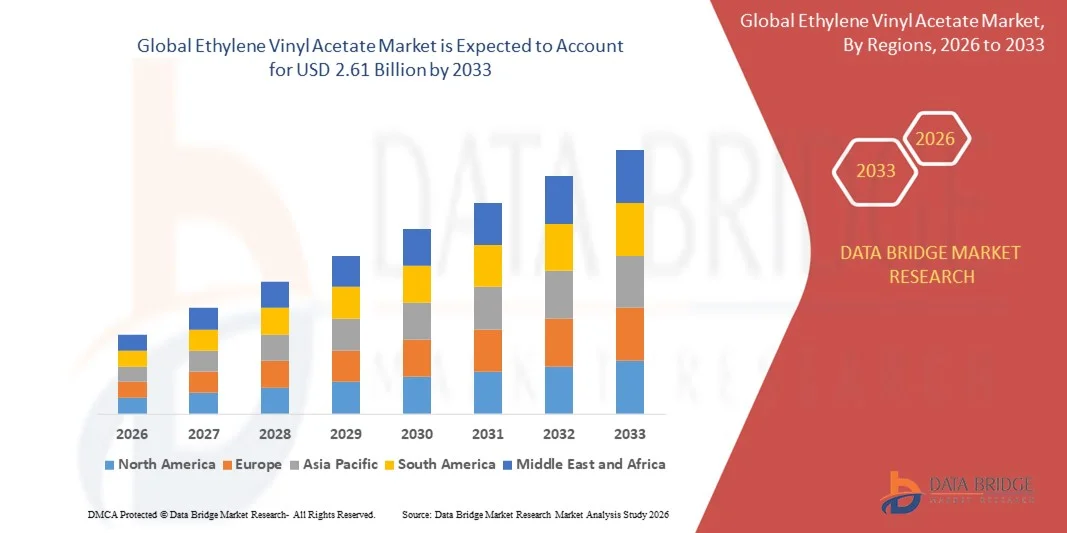
"According to the latest report published by Data Bridge Market Research, the Ethylene Vinyl Acetate Market The global ethylene vinyl acetate market size was valued at USD 1.60 billion in 2025 and is expected to reach USD 2.61 billion by 2033, at a CAGR of 6.25% during the forecast period For structuring the finest market research report like this Ethylene Vinyl Acetate Market, a...
A 7.3L Powerstroke IPR valve replacement can be necessary when the Injection Pressure Regulator (IPR) is no longer controlling high-pressure oil correctly. The IPR is a key part of the HEUI injection system. It regulates the oil pressure produced by the high-pressure oil pump (HPOP), which is required to operate the fuel injectors. Common Signs of a Bad IPR Valve A failing IPR valve can cause...

"According to the latest report published by Data Bridge Market Research, the Rack Mounted Video Encoders Market Global rack mounted video encoders market was valued at USD 2,390.30 million in 2021 and is expected to reach USD 4231.43 million by 2029, registering a CAGR of 7.40% during the forecast period of 2022-2029. Competitive analysis carried out in the credible Rack Mounted...

The aircraft windows & windshields market is expanding steadily as demand for new commercial aircraft, military fleets, and business jets continues to increase. Rising adoption of lightweight composite materials, growing aircraft maintenance and replacement activities, and advancements in aerospace manufacturing technologies are supporting market development. According to Business Market...
Orbion Pharmaceuticals Private Limited is conducting a Walk-In Interview for multiple production positions at its manufacturing facility in Tamil Nadu. This is an excellent opportunity for experienced pharmaceutical professionals in formulation manufacturing. Walk-In Interview Details: Date: 21st February 2026 (Saturday)Time: 09:00 AM to 4:00 PMVenue: Orbion Pharmaceuticals Private Limited, No....

