


Injection Sites and How to Administer Safely
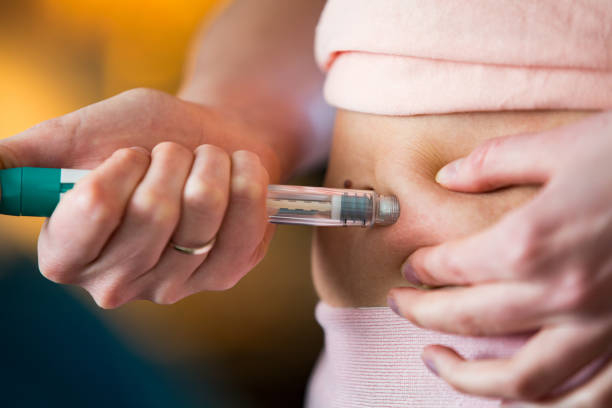
Weight loss injections are medical treatments designed to support appetite control, metabolic balance, and gradual fat reduction. While they are highly effective when used correctly, their safety and results depend heavily on proper administration and correct injection techniques. Understanding where and how these injections are given is essential for both effectiveness and safety.
In clinical settings, weight loss injections are always administered or supervised by healthcare professionals to ensure accurate dosing, correct technique, and minimal risk of side effects. Self-administration may be allowed in some cases, but only after proper medical training.
Key Points:
- Safe administration is essential for effectiveness
- Must follow medical guidance strictly
- Often performed or supervised by professionals
- Technique affects results and safety
Common Injection Sites for Weight Loss Injections
Weight loss injections are usually given in areas of the body where there is a layer of subcutaneous fat. These areas allow the medication to be absorbed slowly and effectively into the bloodstream.
The most common injection sites include:
Abdomen (Stomach Area)
The abdomen is the most frequently used site. It provides easy access and consistent absorption. Injections are usually given at least a few centimeters away from the navel to avoid irritation.
Thigh (Front or Outer Area)
The upper thigh is another commonly used site. It is suitable for self-administration and offers a stable fat layer for absorption.
Upper Arm
The back or outer part of the upper arm may also be used, although it is often easier when administered by a healthcare professional or caregiver.
Key Points:
- Abdomen is the most common site
- Thigh is suitable for self-injection
- Upper arm may require assistance
- Injection sites ensure proper absorption
How to Prepare Before Injection
Proper preparation is essential to reduce the risk of infection and ensure safe administration. Before injecting, hands should always be washed thoroughly, and the injection site must be cleaned using an antiseptic wipe.
The medication should be checked for clarity, correct dosage, and expiry date. Any visible damage to the syringe or solution should be reported immediately.
Key Points:
- Wash hands before procedure
- Clean injection site properly
- Check medication condition
- Ensure correct dosage
Safe Injection Technique
The injection is usually given into the fatty layer just beneath the skin (subcutaneous injection). The skin is gently pinched, and the needle is inserted at a recommended angle, often 45 to 90 degrees depending on body type and device used.
The medication is then injected slowly and steadily to ensure proper absorption. After injection, the area may be gently pressed but not rubbed.
Key Points:
- Inject into subcutaneous fat layer
- Use correct angle (as instructed)
- Inject slowly and steadily
- Do not rub the area afterward
Rotating Injection Sites
To avoid skin irritation, bruising, or tissue damage, it is important to rotate injection sites regularly. Repeated injections in the same area can cause discomfort or affect absorption over time.
Rotating between the abdomen, thighs, and upper arms helps maintain healthy skin and consistent treatment results.
Key Points:
- Avoid using same spot repeatedly
- Rotate between approved sites
- Prevents irritation and bruising
- Supports consistent absorption
Common Mistakes to Avoid
Improper injection techniques can reduce effectiveness or cause complications. Common mistakes include injecting too deeply into muscle, using unclean equipment, or skipping site rotation.
Another common error is not following prescribed timing or dosage, which can affect overall treatment outcomes.
Key Points:
- Avoid incorrect injection depth
- Maintain hygiene standards
- Do not skip dosage instructions
- Rotate sites properly
Importance of Medical Supervision
Even though some weight loss injections may be self-administered, medical supervision remains essential. Healthcare providers ensure that patients are trained correctly, monitor side effects, and adjust treatment if needed.
In professional programs like Weight Loss Injections in Riyadh, patients receive full guidance to ensure safe and effective use throughout the treatment journey.
Key Points:
- Training is required for self-injection
- Doctors monitor safety and progress
- Adjustments may be needed
- Ensures correct usage
Conclusion: Safe Administration Matters for Results
Proper injection technique and correct site selection play a major role in the safety and effectiveness of weight loss injections. When administered correctly, these treatments support better absorption, fewer side effects, and more consistent results.
Weight Loss Injections in Riyadh are most effective when used under professional guidance, ensuring both safety and long-term success in weight management.
Key Points:
- Correct technique improves results
- Injection sites affect absorption
- Rotation prevents complications
- Medical supervision is essential
Book an Appointment at Royal Clinic Saudia
If you are considering weight loss injections and want to ensure safe administration and proper guidance, professional consultation is essential. At Royal Clinic Saudia, healthcare specialists provide training, supervision, and personalized treatment plans to ensure safe, effective, and confident use of weight management injections.
FAQs:
Where are weight loss injections usually given?
They are commonly injected into the abdomen, thighs, or upper arms.
Can I inject weight loss medication myself?
Yes, but only after proper training from a healthcare professional.
Do I need to rotate injection sites?
Yes, rotating sites helps prevent irritation and improves absorption.
What happens if I inject incorrectly?
Incorrect technique may reduce effectiveness or cause discomfort, so proper training is essential.
Categories
- Artificial Intelligence (AI)
- Technology
- Business
- Education
- Science
- Lifestyle
- Healthcare
- Entertainment
- Politics
- Environment
- Travel
- Finance
- Automobile
- News
- Art
- Causes
- Crafts
- career
- Dance
- Drinks
- Film
- Fitness
- Food
- Games
- Gardening
- Health
- Home
- Literature
- Music
- Networking
- Other
- Party
- Religion
- Shopping
- Sports
- Theater
- Wellness
Read More
The Human Papilloma Virus (HPV) market is experiencing significant transformation, highlighted by an impressive growth trajectory that reflects the increasing demand for preventive healthcare solutions. With a robust market size projected to rise from 5.67 billion USD in 2024 to a staggering 13.22 billion USD by 2035, the sector is on track for a compound annual growth rate (CAGR) of 8.0%....

Site Print Robot for Accurate Utility Mapping in the UK Accurate site data is the foundation of every successful engineering and construction project. Whether planning a new development, upgrading infrastructure, or carrying out utility investigations, reliable information reduces risk and improves decision-making. A site print robot has become an innovative solution for collecting high-quality...

Movie theaters have spent the last decade reinventing what "going to the movies" actually feels like, and 3D cinema screens sit right at the center of that transformation. Industry estimates peg the global 3D cinema screen market's growth at a robust CAGR of around 15.8%, with long-range forecasts pointing toward hundreds of billions of dollars in value by the early 2030s as theaters,...

Cellulite and uneven-looking fat can affect the appearance of the thighs, hips, buttocks, abdomen, and other areas, even in people who maintain a healthy weight. Because cellulite often appears alongside localized fat, it is easy to assume that reducing fat will automatically smooth the skin. However, cellulite and localized fat are different concerns. fat dissolving...
The North America Airport Management Market is witnessing steady growth, driven by increasing passenger traffic, ongoing airport modernization initiatives, and the growing adoption of digital technologies across airport operations. Airports throughout the United States and Canada are investing in advanced airport management systems to improve operational efficiency,...
