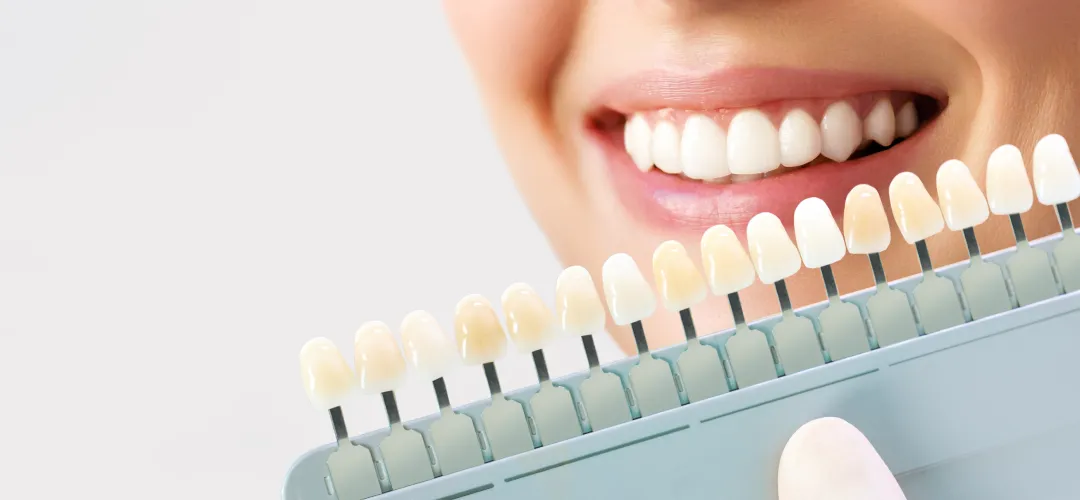
Dental Veneers in Dubai have become a popular choice for people looking to enhance their smiles with a natural, long-lasting cosmetic solution. As more patients explore smile makeovers, one of the most common questions remains how long veneers actually last and what influences their durability over time.
What Determines the Lifespan of Dental Veneers?
The longevity of veneers depends on several practical and lifestyle-related factors. Although veneers are designed to be durable, their lifespan is closely tied to how well they are maintained and the habits of the individual wearing them. Oral hygiene routines play a major role, especially consistent brushing and flossing, which help prevent gum disease and decay around the treated teeth. Additionally, lifestyle habits such as teeth grinding, nail biting, or chewing hard objects can significantly reduce their durability. Even the type of material used in veneers can influence how long they remain in excellent condition, with porcelain generally offering better longevity than composite alternatives.
Average Lifespan of Veneers
On average, veneers can last anywhere between 10 to 15 years, and in some cases even longer when properly cared for. Porcelain veneers tend to be more resilient, often maintaining their appearance and strength for over a decade without noticeable wear. Composite veneers, while more affordable and quicker to place, may require earlier replacement or touch-ups. However, regardless of material, regular dental checkups and preventive care can extend their functional life significantly. With proper attention, many patients enjoy long-term results that maintain both aesthetics and performance without frequent interventions.
Types of Veneers and Their Durability Factors
Different veneer materials come with varying levels of strength, stain resistance, and longevity. Porcelain veneers are known for their high resistance to discoloration and their ability to mimic natural enamel closely, making them a preferred choice for long-term cosmetic improvement. Composite resin veneers, on the other hand, are more prone to staining and minor chipping but offer easier repair options when needed. In addition, advancements in dental technology have introduced improved bonding techniques that enhance the stability of veneers, ensuring they remain firmly attached to the tooth surface for years. The success of either type also depends on precise fitting and proper bite alignment.
Maintenance Habits That Extend Veneer Life
Proper care is essential for maximizing veneer lifespan. Consistent oral hygiene and mindful eating habits contribute greatly to long-term success. Dental Veneers require the same level of care as natural teeth, even though they are more resistant to staining and damage.
Maintaining them involves:
- Brushing at least twice a day with a non-abrasive toothpaste
- Flossing daily to protect the gumline
- Avoiding excessive consumption of hard or sticky foods
- Wearing a night guard if teeth grinding is an issue
- Scheduling regular dental checkups for professional cleaning and monitoring
When these habits are followed consistently, veneers remain stable, bright, and functional for many years without complications.
Common Habits That Can Reduce Longevity
Despite their strength, veneers are not indestructible, and certain habits can shorten their lifespan. Biting into hard foods such as ice or nuts can create micro-cracks that gradually weaken the structure. Similarly, using teeth as tools to open packaging or bottles places unnecessary pressure on the veneer surface. Smoking and frequent consumption of staining beverages like coffee or tea may not damage the veneer itself but can affect surrounding teeth and gum health, indirectly impacting the overall smile aesthetics. Addressing these habits early helps prevent premature wear and ensures a more predictable outcome.
How to Make Veneers Last Longer
Extending the lifespan of veneers often comes down to consistency and preventive care rather than complex treatments. Patients who adopt protective habits tend to enjoy longer-lasting results without complications. Using a soft-bristled toothbrush, avoiding abrasive whitening products, and maintaining a balanced diet all contribute to preserving veneer quality. Additionally, managing stress-related habits like teeth grinding can significantly reduce the risk of structural damage. Professional monitoring also ensures that any early signs of wear are addressed before they develop into larger concerns.
Myths About Veneer Durability
There are several misconceptions surrounding veneer durability that often lead to unrealistic expectations. One common myth is that veneers are permanent and never need replacement, which is not accurate since they naturally wear over time like any dental restoration. Another misconception is that they require no maintenance at all, when in fact regular oral care is essential for their longevity. Some also believe veneers can withstand any level of force, but excessive pressure can still cause damage. Understanding these realities helps patients make informed decisions and maintain healthier long-term results.
Conclusion
The lifespan of veneers largely depends on material quality, oral hygiene, and daily habits, making long-term care an essential part of maintaining a beautiful smile. With proper maintenance and routine dental supervision, veneers can remain effective and visually appealing for many years. Choosing a trusted clinic ensures that patients receive guidance tailored to their individual needs, and Dynamic Clinic plays a role in helping individuals maintain durable, natural-looking smile transformations over time.