


Why More People Prefer a Lab Test at Home?
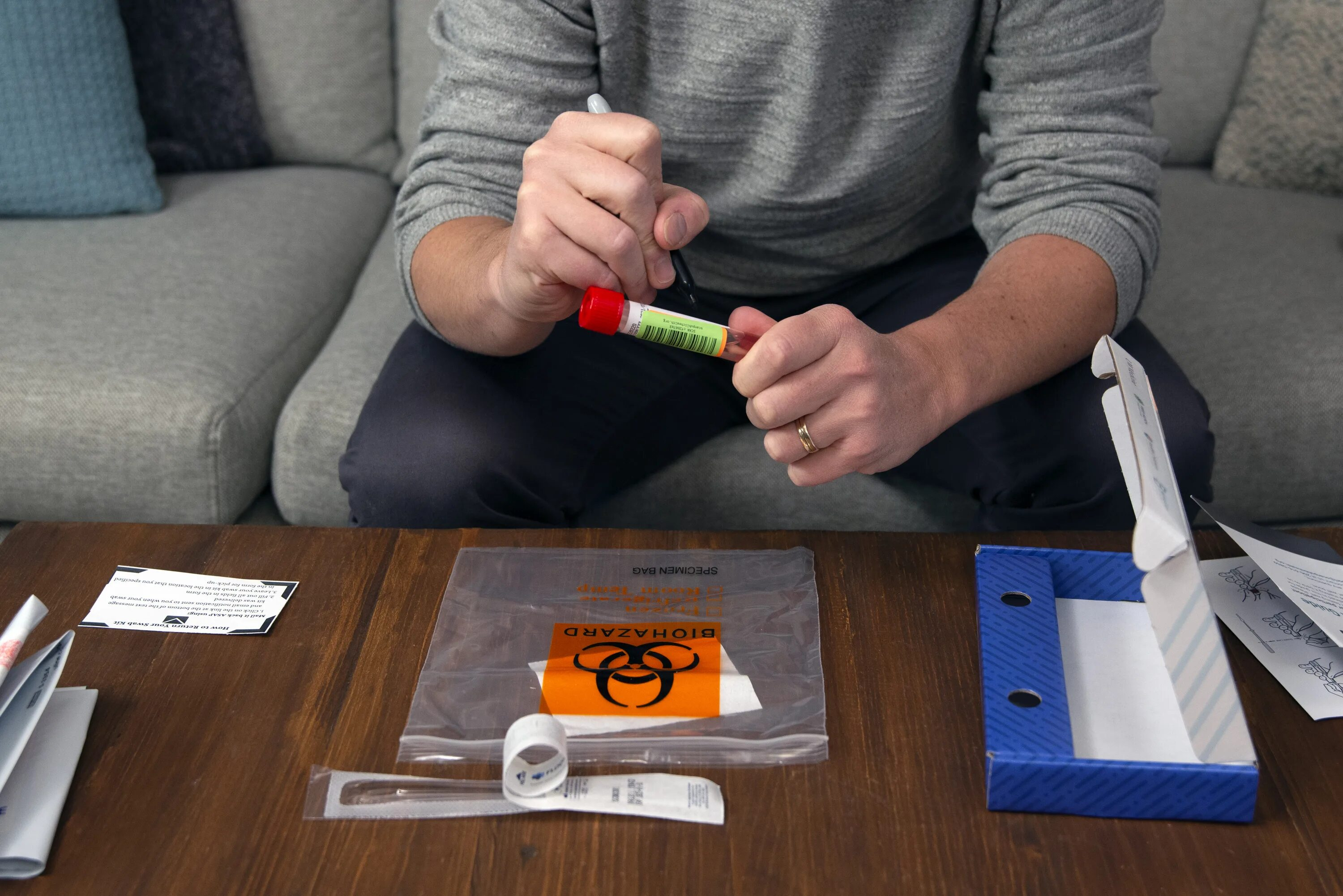
Why More People Prefer a Lab Test at Home?
A New Era of Healthcare Convenience
Healthcare is no longer limited to hospitals and diagnostic centers. As technology and patient-focused services continue to evolve, more individuals are choosing a lab test at home as a practical alternative to traditional laboratory visits. What was once considered a specialized service has now become a preferred option for routine health checkups, preventive screening, and chronic disease monitoring.
The growing demand for home sample collection reflects changing lifestyles, increasing health awareness, and the desire for convenient medical services. Instead of spending valuable time traveling and waiting for appointments, patients can now complete essential diagnostic tests from the comfort of their homes.
This shift is not simply about convenience—it represents a broader transformation in how people access healthcare while maintaining the same standards of diagnostic accuracy and professional care.
Changing Healthcare Expectations
Patients today expect healthcare services to be flexible, efficient, and accessible. Whether scheduling a doctor's consultation online or receiving digital medical reports, convenience has become an important part of the healthcare experience.
A lab test at home aligns perfectly with these expectations by allowing qualified healthcare professionals to collect blood, urine, or other diagnostic samples without requiring patients to visit a pathology laboratory.
For many people, this approach removes barriers that previously delayed routine medical testing and preventive health assessments.
Reason 1: Busy Schedules Leave Little Time for Clinic Visits
Modern lifestyles are increasingly demanding.
Professionals often balance work deadlines, meetings, family responsibilities, and personal commitments, making it difficult to spend several hours visiting a diagnostic center.
Home laboratory testing saves valuable time by eliminating travel, waiting rooms, and multiple administrative steps. Patients simply choose a convenient appointment slot, and trained phlebotomists visit their homes for sample collection.
This efficiency encourages people to complete recommended blood tests without disrupting their daily schedules.
Reason 2: Preventive Healthcare Has Become a Priority
More people understand that early detection plays a critical role in maintaining good health.
Routine laboratory testing helps identify potential concerns before symptoms develop, allowing healthcare providers to recommend timely treatment or lifestyle changes.
Annual health checkups, blood sugar monitoring, cholesterol testing, thyroid evaluation, liver function tests, kidney function tests, and vitamin deficiency screening have become important components of preventive healthcare.
Because a lab test at home makes these services more accessible, patients are more likely to maintain regular health monitoring.
Reason 3: Greater Comfort During Sample Collection
Medical environments can feel stressful for many individuals.
Some patients experience anxiety around hospitals, while others simply prefer receiving healthcare services in familiar surroundings.
Home sample collection creates a more relaxed experience, particularly for children, older adults, and individuals who require frequent blood tests.
Remaining in a comfortable environment often reduces stress and contributes to a smoother sample collection process.
Reason 4: Easier Healthcare for Elderly Family Members
Older adults frequently require regular diagnostic testing to monitor chronic medical conditions.
Traveling to healthcare facilities may be physically challenging due to limited mobility, joint pain, fatigue, or other age-related health concerns.
Home diagnostic services remove these difficulties by bringing professional pathology services directly to the patient.
Families appreciate the convenience of avoiding transportation arrangements while ensuring elderly relatives continue receiving recommended laboratory investigations.
Better Support for Long-Term Medical Conditions:
Individuals living with diabetes, thyroid disorders, cardiovascular disease, kidney disease, anemia, or hormonal imbalances often need repeated laboratory testing.
Frequent monitoring helps physicians evaluate treatment effectiveness and identify changes that may require medical attention.
A lab test at home simplifies ongoing disease management by making routine blood testing easier to schedule and complete.
Patients who face fewer obstacles are generally more consistent with physician recommendations, supporting better long-term health outcomes.
Reduced Exposure to Crowded Medical Facilities:
Healthcare facilities naturally bring together people with a wide variety of illnesses.
Although hospitals maintain infection control procedures, some individuals prefer minimizing unnecessary exposure to crowded waiting areas.
Home sample collection offers an alternative by allowing patients to receive diagnostic services in a private environment.
This option can be especially reassuring for pregnant women, elderly individuals, people with weakened immune systems, and patients recovering from illness.
Reliable Laboratory Standards:
One misconception is that home laboratory testing may be less accurate than visiting a diagnostic center.
In reality, the quality of diagnostic results depends on standardized laboratory procedures rather than where the sample is collected.
Professional phlebotomists use sterile equipment, follow established collection protocols, correctly label specimens, and ensure safe transportation to certified laboratories.
Advanced diagnostic equipment, quality assurance procedures, and experienced laboratory professionals contribute to dependable pathology reports.
Digital Access to Medical Reports:
Healthcare has become increasingly digital.
Instead of returning to collect printed reports, many patients now receive laboratory results electronically.
Digital reports provide several practical advantages:
-
Immediate access after completion
-
Secure long-term storage
-
Easy sharing with healthcare providers
-
Convenient record management
-
Faster follow-up consultations
Maintaining electronic medical records also helps physicians compare current laboratory values with previous reports during ongoing treatment.
Wide Availability of Diagnostic Tests:
Many people assume home sample collection is limited to basic blood tests.
Today, numerous pathology investigations are available through home laboratory services, including:
-
Complete Blood Count (CBC)
-
Blood Glucose Testing
-
HbA1c
-
Lipid Profile
-
Liver Function Test
-
Kidney Function Test
-
Thyroid Profile
-
Vitamin D Test
-
Vitamin B12 Test
-
Iron Studies
-
Hormone Testing
-
Urine Analysis
-
Infection Screening
-
Preventive Health Checkup Panels
The broad availability of diagnostic services makes home testing suitable for both routine wellness and physician-directed investigations.
Common Myths About Lab Tests at Home:
Despite growing popularity, several misconceptions still exist.
Myth: Home Collection Is Less Professional
Professional healthcare workers performing home sample collection receive specialized training and follow the same clinical protocols used in hospitals and laboratories.
Myth: Results Are Less Accurate
Diagnostic accuracy depends on laboratory quality, standardized testing methods, and proper sample handling rather than collection location.
Myth: Home Testing Is Only for Elderly Patients
Although seniors benefit greatly, home laboratory services are equally useful for working professionals, parents, students, and anyone seeking greater convenience.
Myth: Only Blood Tests Can Be Performed
Many pathology services include urine analysis, hormone testing, preventive screening, infection testing, and numerous specialized laboratory investigations.
How Patients Can Improve Test Accuracy?
Patients also contribute to obtaining reliable laboratory results.
Simple preparation steps include following fasting instructions, drinking sufficient water when appropriate, informing the healthcare professional about medications, avoiding strenuous exercise before certain investigations, and carefully following all appointment guidelines.
These practices help ensure accurate diagnostic testing while reducing the likelihood of repeat sample collection.
Is Home Laboratory Testing Right for Everyone?
A lab test at home is suitable for most routine pathology investigations.
However, emergency medical situations, imaging procedures, or specialized hospital-based diagnostic services may still require visits to healthcare facilities.
For routine blood work, preventive screening, chronic disease monitoring, and physician-recommended laboratory investigations, home sample collection provides a practical and highly effective solution.
Discussing your healthcare needs with your physician can help determine the most appropriate diagnostic approach.
Looking Ahead: The Future of Home Diagnostics
Healthcare continues moving toward personalized, patient-centered services.
Advancements in diagnostic technology, digital health records, telemedicine, and home healthcare are making medical services more convenient than ever before.
Home laboratory testing is expected to play an increasingly important role in preventive medicine by encouraging regular health monitoring and improving access to essential diagnostic services.
As more individuals recognize the benefits of early detection and routine wellness screening, home sample collection will likely remain a preferred healthcare option for years to come.
Final Thoughts:
The growing popularity of a Lab tests at home reflects more than changing technology—it demonstrates a shift toward healthcare that prioritizes convenience, accessibility, and patient comfort without compromising quality. Professional sample collection, reliable laboratory analysis, digital reporting, and simplified appointment scheduling have made home diagnostics an integral part of modern healthcare.
Whether you are managing a chronic condition, completing an annual health checkup, or simply looking for a more convenient way to monitor your well-being, home laboratory testing offers a dependable and patient-friendly solution. By making diagnostic services easier to access, it empowers individuals to take a proactive approach to their health and make informed decisions based on timely, accurate laboratory results.
Categories
- Artificial Intelligence (AI)
- Technology
- Business
- Education
- Science
- Lifestyle
- Healthcare
- Entertainment
- Politics
- Environment
- Travel
- Finance
- Automobile
- News
- Art
- Causes
- Crafts
- career
- Dance
- Drinks
- Film
- Fitness
- Food
- Games
- Gardening
- Health
- Home
- Literature
- Music
- Networking
- Other
- Party
- Religion
- Shopping
- Sports
- Theater
- Wellness
Read More
Motor Lamination Market is benefiting from ongoing technological advancements in electrical equipment and industrial machinery. Companies are investing in high-grade electrical steel and advanced processing techniques to improve motor efficiency. These innovations are strengthening the competitive landscape. The global motor lamination market size is projected to reach US$...

The Nanoliposomal Lutein Market is gaining momentum as consumers increasingly prioritize preventive healthcare and nutritional solutions for eye wellness. Lutein is a carotenoid commonly incorporated into supplements designed to support visual health, while nanoliposomal technology provides an advanced approach for delivering this ingredient. WiseGuyReports estimates that the market will grow...
The Military Electro-Optics or Infrared (EO or IR) Systems enhance monitoring capabilities through the combination of high-resolution optical imaging and infrared detection. These technologies help identify targets and environmental conditions across different operational scenarios. The global Military Electro-Optics or Infrared (EO or IR) Systems Market size is projected to...
A 50-spin session tells you more than a slick game page ever can, especially when Hold and Win is the bit you’re waiting on. If you want a broader reference point, Grandsino Casino is the sort of site players check before trying something new, but the real answer shows up only once the reels are actually running and your money is on the line. What actually sets the bonus in motion The...

According to WiseGuy Reports, the Dodecyl Gallate Market Size was valued at USD 239.7 million in 2024 and is expected to increase from USD 253.9 million in 2025 to USD 450 million by 2035, registering a CAGR of 5.9% during the forecast period from 2026 to 2035. The market is being supported by growing demand for antioxidants in food products, expanding cosmetic applications, increasing...
