Decoupling Hardware: A Revolution in the Global Virtual Router Industry Today

The networking world is undergoing a profound architectural transformation, moving away from a reliance on expensive, proprietary hardware towards a more agile, software-defined future. At the heart of this shift is the virtual router (vRouter), a software-based application that replicates the full functionality of a traditional, physical router but runs on standard, off-the-shelf server hardware. This fundamental decoupling of networking software from specialized hardware is the cornerstone of Network Functions Virtualization (NFV) and Software-Defined Networking (SDN). The global Virtual Router industry is expanding rapidly as enterprises, service providers, and cloud companies embrace the immense flexibility, scalability, and cost-efficiency it offers. Instead of purchasing, shipping, and installing a physical box, network administrators can now instantiate a new router as a virtual machine (VM) or container with just a few clicks. This paradigm shift enables organizations to build highly dynamic, automated, and resilient networks that can adapt in real-time to the ever-changing demands of digital business. It represents not just an evolution of a single network device, but a complete rethinking of how network services are designed, deployed, and managed in the cloud era.
The Core Principles: NFV and Software-Defined Agility
The emergence of the virtual router is inextricably linked to the broader industry movement towards Network Functions Virtualization (NFV). The core principle of NFV is to abstract network functions—such as routing, firewalling, load balancing, and WAN optimization—from the dedicated hardware appliances they traditionally run on and implement them as software applications, known as Virtual Network Functions (VNFs). A virtual router is a quintessential VNF. This approach allows multiple network functions from different vendors to run on a single, standardized server platform, dramatically reducing hardware costs (CapEx) and physical footprint. The agility gained is transformative; instead of a months-long procurement and deployment cycle for a new physical router, a vRouter can be provisioned in minutes. This allows service providers to roll out new customer services with unprecedented speed and enables enterprises to dynamically scale their network capacity up or down to match application workloads. This software-centric model, often orchestrated by an SDN controller, provides a level of automation and programmatic control that is simply impossible to achieve with a traditional, hardware-based network infrastructure, making it a foundational element of modern, agile IT.
Key Use Cases in Service Provider and Telco Networks
For telecommunications companies and managed service providers (MSPs), virtual routers are a game-changing technology. One of the most significant use cases is in the deployment of virtual Customer Premises Equipment (vCPE) or as a key component of a universal CPE (uCPE) solution. Instead of deploying a dedicated physical router at each customer's branch office, providers can use a simple, low-cost server onsite to host a vRouter VNF, along with other services like a virtual firewall. This dramatically simplifies logistics, reduces hardware costs, and allows for remote provisioning and management of services. In the core of their networks, service providers are deploying high-performance virtual routers for functions like route reflection, virtual Broadband Network Gateways (vBNG) to manage subscriber sessions, and as virtual Provider Edge (vPE) routers to offer flexible VPN services to enterprise customers. The ability to quickly spin up new instances to handle traffic growth or to deploy routers at the network edge to support 5G and IoT services provides the scalability and flexibility needed to compete in the fast-paced communications market.
Transforming Enterprise Data Centers and Cloud Connectivity
In the enterprise and cloud data center, virtual routers are essential for creating agile, secure, and multi-tenant network environments. They are used extensively to provide inter-Virtual Private Cloud (VPC) routing within public cloud environments like AWS and Azure, allowing different application tiers or business units to communicate securely. In private data centers, vRouters are used to create logical network segments, isolating traffic for different tenants or applications on a shared physical infrastructure. This is critical for security and compliance. Another major enterprise use case is for data center interconnect (DCI) and as a virtual gateway to connect the on-premises network to the public cloud. A vRouter can be deployed in the cloud to terminate VPN tunnels and BGP peering sessions, creating a seamless and resilient hybrid network fabric. As a key component of many Software-Defined WAN (SD-WAN) solutions, virtual routers enable intelligent, application-aware routing over multiple WAN links from branch offices to the data center and cloud, optimizing performance and reducing reliance on expensive MPLS circuits.
Top Trending Reports:
Categories
- Artificial Intelligence (AI)
- Technology
- Business
- Education
- Science
- Lifestyle
- Healthcare
- Entertainment
- Politics
- Environment
- Travel
- Finance
- Automobile
- News
- Art
- Causes
- Crafts
- career
- Dance
- Drinks
- Film
- Fitness
- Food
- Games
- Gardening
- Health
- Home
- Literature
- Music
- Networking
- Other
- Party
- Religion
- Shopping
- Sports
- Theater
- Wellness
Read More
Penile filler injections offer a popular non-surgical option for men seeking enhancement in size and confidence. This guide breaks down the procedure, expected results, and key considerations like the price of penile filler injections in Riyadh, while touching on penile filler injection price in Saudi Arabia (سعر حقن الفيلر للعضو الذكري في السعودية). Whether you're exploring options...

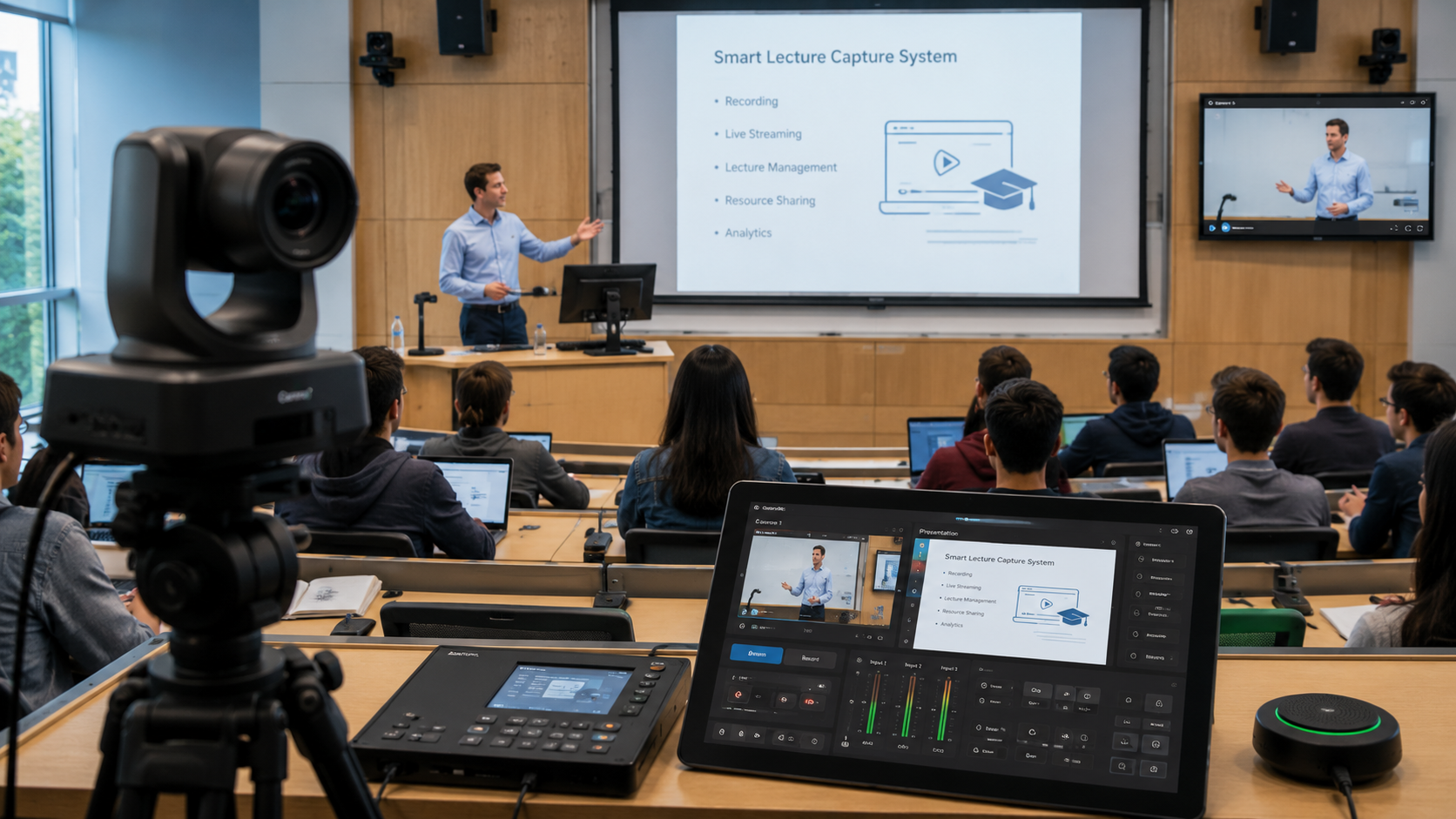
The Smart Lecture Capture System Market Share distribution reveals a competitive landscape where established electronics giants, software platform providers, and specialized education technology companies vie for dominance in a rapidly growing sector. The market is moderately fragmented, with no single player holding an overwhelming majority. Key players such as Panasonic, Sony,...
La moda urbana ha evolucionado de manera extraordinaria durante las últimas décadas, convirtiéndose en una de las expresiones culturales más importantes de la actualidad. Entre las marcas que han logrado influir significativamente en este movimiento destaca CDG, una firma reconocida mundialmente por su capacidad para fusionar diseño contemporáneo,...

According to Semiconductor Insight, the global FPC Market was valued at USD 14,430 million in 2025 and is projected to reach USD 18,400 million by 2033, reflecting a CAGR of 3.6%. Flexible printed circuits are lightweight, high-density interconnect solutions that can bend and fold without compromising electrical performance. Demand is supported by miniaturized electronics, automotive...

Many humans war to understand scripture whilst reading the bible for the first time. Bible read apps help remedy this venture by way of providing equipment that make learning less difficult and greater attractive. Reading plans guide customers via particular passages, while audio bible functions permit them to listen and read simultaneously. This mixture improves comprehension and retention of...