


Common BSPT Fitting Problems and How to Avoid Them
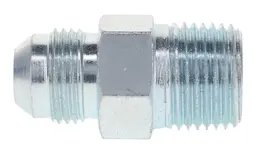
BSPT fittings are widely used in hydraulic, pneumatic, and industrial piping systems because of their tapered thread design. However, incorrect installation or thread mismatch can lead to leaks, pressure loss, and equipment downtime. Understanding the most common BSPT fitting problems can help improve system reliability and reduce maintenance costs.
Thread Mismatch Issues
One of the most frequent problems occurs when BSPT fittings are connected to incompatible thread types. For example, using BSPT to NPT fittings incorrectly can result in poor sealing because the thread angles and dimensions differ. Always verify thread specifications before installation.
Leaks in Hydraulic Systems
BSPT hydraulic fittings rely on tapered threads to create a seal. If the fitting is under-tightened or over-tightened, hydraulic fluid leaks may develop. Proper torque and thread sealant selection are essential for high-pressure applications.
Corrosion in Brass Fittings
BSPT brass fittings offer excellent corrosion resistance, but exposure to incompatible chemicals or harsh environments can still affect performance over time. Regular inspection helps identify wear before it becomes a major issue.
Incorrect Tee Fitting Installation
A BSPT tee fitting must be aligned correctly to avoid stress on connected pipes or hoses. Misalignment can place extra load on the threads and increase the risk of leakage or fitting failure.
BSPP to BSPT Connection Challenges
Connecting BSPP to BSPT fittings requires the correct adapter and sealing method. BSPP uses a parallel thread, while BSPT uses a tapered thread, so a direct connection without the proper fitting may not provide a reliable seal.
Conclusion
Using high-quality BSPT pipe fittings and ensuring proper thread compatibility are the best ways to prevent leaks and connection failures. Whether you are working with BSPT hydraulic fittings, BSPT brass fittings, or BSPT to NPT adapters, correct installation and regular inspection can significantly improve the performance and lifespan of your hydraulic system.
Categories
- Artificial Intelligence (AI)
- Technology
- Business
- Education
- Science
- Lifestyle
- Healthcare
- Entertainment
- Politics
- Environment
- Travel
- Finance
- Automobile
- News
- Art
- Causes
- Crafts
- career
- Dance
- Drinks
- Film
- Fitness
- Food
- Games
- Gardening
- Health
- Home
- Literature
- Music
- Networking
- Other
- Party
- Religion
- Shopping
- Sports
- Theater
- Wellness
Read More
The global Stollen Market is projected to grow from USD 249.4 million in 2026 to USD 590.4 million by 2036, advancing at a 9.0% CAGR during the forecast period. Growth is being supported by seasonal gifting, Christmas merchandising, and consumer interest in traditional fruit-rich bakery products. Because stollen sales are concentrated within a short Christmas window, authenticity,...

The global Converged Infrastructure Market is gaining momentum as organizations modernize fragmented data-center environments and move toward integrated, software-defined infrastructure. Converged infrastructure combines compute, storage, networking, and virtualization within a pre-engineered appliance or software-defined stack, enabling unified management while reducing data-center...

Bird Friendly Glass Market Overview The Bird Friendly Glass Market Report is a comprehensive and meticulously developed research study designed to provide in-depth insights into the evolving dynamics of the Bird Friendly Glass market. Prepared through extensive primary interviews, secondary research, and detailed data analysis, this report evaluates critical factors influencing market...

The rise of e-commerce is creating new opportunities for the Flexible Packaging Market as online retailers and consumer brands seek packaging solutions that reduce shipping weight while maintaining product protection. Flexible packaging can provide an effective combination of durability, compactness, and efficient material utilization for products moving through increasingly complex...
The global in-wheel motor market is witnessing substantial growth due to the increasing adoption of electric vehicles and advancements in automotive technologies. In-wheel motors, also known as hub motors, are integrated directly into the wheel hub, eliminating the need for a traditional drivetrain. This innovative design enhances vehicle efficiency, improves design flexibility,...
