


Everything You Need to Know Before Taking an Ancestry DNA Test
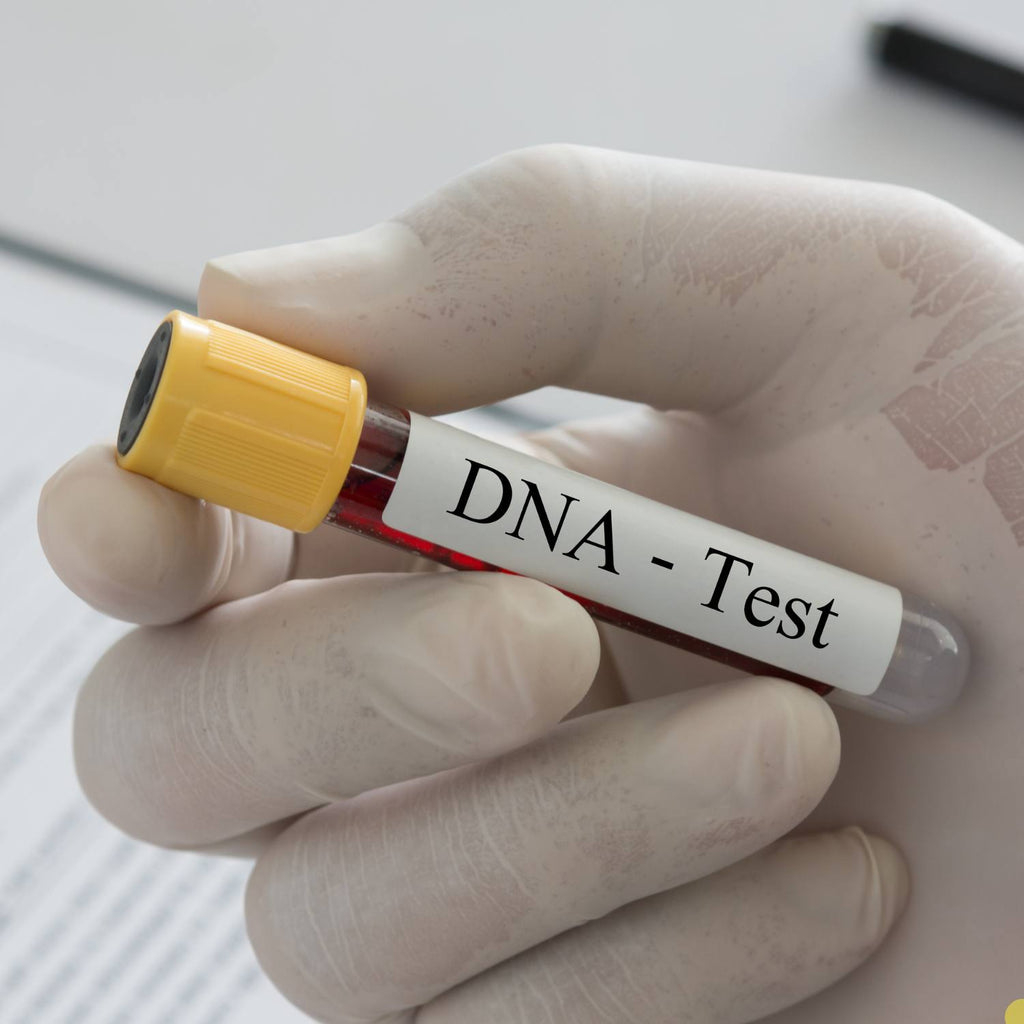
An ancestry DNA test has become one of the most popular ways to explore family history and discover connections that traditional genealogy alone may not reveal. With a simple DNA sample, modern genetic testing can estimate your ancestral origins, identify biological relatives, and provide valuable insights into your genetic heritage. However, before you decide to take an ancestry DNA test, it is important to understand what the process involves, what information you can expect, and where its limitations lie.
Many first-time users assume that Ancestry DNA Test in UAE will instantly reveal every ancestor or provide a complete family tree. While genetic analysis is incredibly powerful, it works best when combined with historical records, family documents, and genealogical research. Knowing what to expect before submitting your DNA sample will help you interpret your results accurately and make informed decisions about your genetic information.
Start with the Right Expectations:
The first step before taking an ancestry DNA test is understanding its purpose. DNA testing is designed to analyze inherited genetic markers that connect you to populations around the world. Rather than identifying every person in your family history, it estimates where your ancestors likely lived and highlights people who share portions of your DNA.
Your report is based on scientific comparisons between your DNA and large reference databases. As these databases continue to grow, ethnicity estimates and DNA matches may become more detailed over time. This means your report can improve without you taking another test.
Approaching the process with realistic expectations allows you to appreciate the insights DNA testing provides while recognizing that genealogy remains a combination of science and historical research.
Know What Your DNA Can Reveal:
Before taking an ancestry DNA test, it helps to understand exactly what kind of information your results may include.
Ethnicity Breakdown:
One of the most anticipated sections of any ancestry report is the ethnicity estimate. Scientists compare your DNA with reference populations from different regions to estimate the percentage of your ancestry connected to specific geographic areas.
These percentages are statistical estimates rather than exact measurements. Small differences between updates are completely normal as research continues to evolve.
Genetic Relative Matching:
Your DNA can also be compared with other individuals in the testing database to identify shared genetic segments. These shared segments indicate biological relationships that may range from immediate family members to distant cousins.
Finding previously unknown relatives is one of the most rewarding aspects of genetic genealogy for many people.
Family History Support:
DNA testing can strengthen traditional family research by confirming documented relationships or providing clues when historical records are incomplete.
Many experienced genealogists combine DNA evidence with birth records, census information, immigration documents, military records, and family photographs to create a more complete picture of their ancestry.
Population Migration:
Some reports include historical migration patterns that explain how ancient populations moved across continents over thousands of years. These migration stories help place your ancestry within broader human history.
Learn About the Different Types of DNA:
Not every ancestry DNA test examines the same genetic information. Understanding the three primary types of DNA can help you better interpret your results.
Autosomal DNA:
Autosomal DNA is inherited from both parents and is the foundation of most ancestry DNA testing. It provides information about your recent ancestry across multiple generations and is used for ethnicity estimates and relative matching.
Y Chromosome DNA:
Y-DNA follows the direct paternal line and is inherited from father to son. This type of analysis is useful for tracing paternal ancestry over many generations.
Mitochondrial DNA:
Mitochondrial DNA passes from mothers to all of their children, allowing researchers to study maternal lineage and ancient maternal ancestry.
Each DNA type answers different questions about your family history, making them complementary rather than interchangeable.
Understand How the Testing Process Works:
Knowing what happens after you submit your DNA sample can make the experience much less intimidating.
The journey typically follows several important stages:
-
DNA sample collection through saliva or a cheek swab.
-
DNA extraction inside a certified laboratory.
-
Analysis of thousands of genetic markers.
-
Comparison with international reference populations.
-
Identification of shared DNA with relatives.
-
Creation of your ancestry report.
Although the scientific process is highly advanced, most users simply provide their sample and receive a digital report once laboratory analysis has been completed.
Factors That Influence Result Accuracy:
One of the most common questions beginners ask is whether an ancestry DNA test is accurate.
The answer depends on what you're measuring.
The laboratory analysis of your DNA is extremely accurate because modern sequencing technology precisely identifies genetic markers. However, ethnicity estimates rely on probability models that compare your DNA with available reference populations.
Several factors influence the quality of your ancestry report:
-
The diversity of the genetic database.
-
The size of the reference population.
-
Improvements in population genetics research.
-
Historical migration and population mixing.
-
Ongoing updates to analytical algorithms.
As databases become larger and include more global populations, ethnicity estimates continue to become more refined.
Privacy Is an Important Consideration:
Before sharing your genetic information, you should understand how DNA privacy works.
Your DNA contains unique biological information that cannot be changed like a password. For that reason, reviewing privacy settings and consent options is an essential part of the testing process.
Consider questions such as:
-
How will your DNA sample be stored?
-
Can your genetic information be deleted later?
-
Will your data be used for scientific research?
-
Can other users discover you through DNA matching?
-
Do you control who can contact you?
Being informed allows you to balance the benefits of ancestry research with personal privacy preferences.
Common Misunderstandings About DNA Testing:
Many first-time users approach DNA testing with assumptions that may lead to disappointment.
One misconception is believing that DNA testing identifies every ancestor by name. In reality, genetic analysis estimates inherited ancestry rather than reconstructing complete family trees.
Another misunderstanding is expecting siblings to receive identical ethnicity reports. Since each sibling inherits a different combination of parental DNA, results often vary.
Some people also assume that ethnicity percentages remain fixed forever. As genetic databases improve, reports are periodically updated to reflect new scientific discoveries.
Finally, DNA should never be viewed as a replacement for historical research. The strongest genealogical conclusions come from combining genetic evidence with traditional records.
Preparing Before You Submit Your DNA Sample:
A little preparation can help ensure a smooth testing experience.
Carefully read all collection instructions before providing your sample. Follow recommendations regarding eating, drinking, or smoking beforehand if applicable.
Create a family tree before receiving your results whenever possible. Having documented family information available makes it easier to interpret DNA matches and verify biological relationships.
You may also want to speak with close family members about your plans, especially if unexpected discoveries could affect relatives.
Being emotionally prepared is just as important as following laboratory instructions.
Making Sense of Your Results:
Receiving your report is only the beginning of your ancestry journey.
Instead of focusing exclusively on ethnicity percentages, spend time exploring every section of the report. Examine DNA matches, ancestral regions, migration maps, and shared family connections.
If you encounter unfamiliar names or unexpected relatives, avoid making immediate assumptions. Investigate supporting evidence through historical documents, public records, and family interviews.
Genealogy is often like solving a puzzle where each DNA match represents another piece of the story.
Patience and careful research usually produce the most meaningful discoveries.
Is an Ancestry DNA Test Worth Taking?
For many people, the answer is yes. Whether you're researching your family tree, reconnecting with biological relatives, exploring cultural heritage, or simply satisfying your curiosity, an ancestry DNA test provides valuable scientific insights that were impossible only a few decades ago.
While no test can answer every genealogical question, DNA analysis has become one of the most useful tools available for family history research. Combined with traditional genealogy, historical documentation, and personal storytelling, it helps create a richer understanding of where you come from and how generations of ancestors contributed to your unique identity.
Final Thoughts:
Taking an ancestry DNA Lab tests is more than a scientific experiment—it is an opportunity to explore your personal history through genetics. Before beginning the process, understanding how DNA testing works, what information it provides, and how to interpret the results will help you make the most of your experience.
Remember that your DNA report is a starting point rather than a final destination. As genetic databases expand and your own family research continues, your understanding of your ancestry will grow even deeper. By combining genetic evidence with genealogy, historical records, and family traditions, you can build a meaningful connection to your past while preserving your family's story for future generations.
Categories
- Artificial Intelligence (AI)
- Technology
- Business
- Education
- Science
- Lifestyle
- Healthcare
- Entertainment
- Politics
- Environment
- Travel
- Finance
- Automobile
- News
- Art
- Causes
- Crafts
- career
- Dance
- Drinks
- Film
- Fitness
- Food
- Games
- Gardening
- Health
- Home
- Literature
- Music
- Networking
- Other
- Party
- Religion
- Shopping
- Sports
- Theater
- Wellness
Read More
Custom Popcorn Boxes are used in many small events and shops where simple snack serving matters. People like them because they keep popcorn easy to carry and easy to share. They also help keep things neat during gatherings like movie nights, fairs, and birthdays. The design can change based on need and style. Some are plain, and some come with prints. In many places, they are part of food...

The Corteiz Tracksuit is not just regular clothing. It has become a strong icon of today’s streetwear fashion. Many people now prefer it because it offers both comfort and a bold appearance. It brings style and ease together in a very natural way. As a result, streetwear fans enjoy wearing it in their daily lives. It also shows confidence and personality, helping it stand out in modern...

The Asia Pacific Cancer Immunotherapy Market is benefiting from rapid healthcare innovation and growing demand for targeted cancer therapies. Immunotherapy has transformed oncology by enabling the immune system to attack cancer cells with greater precision than many conventional treatments. As countries throughout Asia Pacific modernize their healthcare systems, hospitals and cancer centers are...

The foliar spray market has become an essential component of modern agriculture, helping farmers improve crop productivity and nutrient efficiency. Foliar sprays involve applying liquid fertilizers directly to plant leaves, allowing nutrients to be absorbed quickly and efficiently. This method ensures faster results compared to traditional soil fertilization, making it increasingly popular...
The electrical stimulation devices market is witnessing significant growth as healthcare providers increasingly adopt advanced therapeutic technologies for pain management, rehabilitation, and neurological treatment. The Electrical Stimulation Devices Market size is expected to reach US$ 17.2 Billion by 2033 from US$ 7.48 Billion in 2025. The market is estimated to record a CAGR of 10.97% from...
