Writing Coursework on Global Health and SDGs
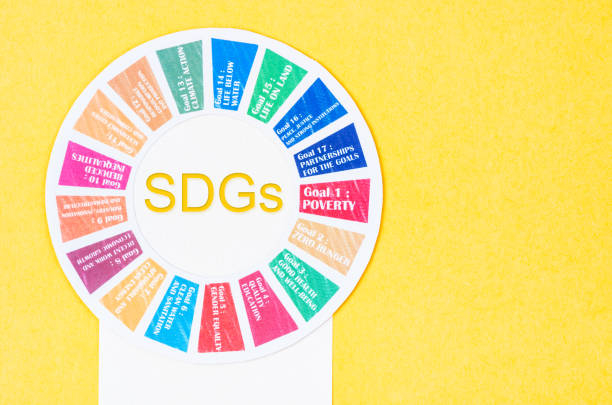
Global health inequalities remain one of the most pressing challenges of the twenty first century. Differences in healthcare access, disease burden, life expectancy, nutrition, education, and economic opportunity continue to affect millions of people across the world. These disparities are closely connected to the United Nations Sustainable Development Goals (SDGs), which provide a global framework for improving health, reducing poverty, promoting equality, and creating sustainable societies.
For students, writing coursework on global health inequalities and the SDGs offers an opportunity to examine how social, economic, political, and environmental factors influence health outcomes. A well researched assignment demonstrates critical thinking, evidence based analysis, and an understanding of how international policies and local realities interact. This guide explains how to approach the topic, identify reliable sources, structure your arguments, and produce coursework that meets academic standards.
Understanding Global Health Inequalities
Global health inequalities refer to the unequal distribution of health outcomes and healthcare resources among different populations. These differences are often preventable and arise from social, economic, and environmental conditions rather than biological factors alone.
Countries with limited healthcare infrastructure frequently experience higher maternal mortality, lower vaccination rates, increased infectious disease transmission, and shorter life expectancy. Even within high income nations, significant health disparities exist between communities due to differences in income, education, housing, employment, and access to quality healthcare.
When writing coursework, it is important to distinguish between health inequality and health inequity. Health inequalities describe measurable differences in health outcomes, while health inequities refer to unfair and avoidable differences that result from systemic disadvantages. Understanding this distinction demonstrates a deeper grasp of the subject and strengthens academic analysis.
Reliable evidence from organizations such as the World Health Organization, the United Nations, and peer reviewed journals provides strong support for coursework. These sources offer up to date statistics, policy reports, and case studies that improve the credibility of your arguments.
The Social Determinants of Health
One of the most important concepts in global health research is the social determinants of health. These include income, education, employment, housing, environmental quality, food security, and access to healthcare services.
For example, communities with limited educational opportunities often experience poorer health outcomes because education influences employment, income, health literacy, and healthcare utilization. Similarly, inadequate sanitation and unsafe drinking water continue to contribute to preventable diseases in many parts of the world.
Including discussion of these determinants helps explain why health inequalities persist despite advances in medical technology.
The Role of the Sustainable Development Goals
The Sustainable Development Goals were adopted by the United Nations in 2015 as part of the 2030 Agenda for Sustainable Development. The seventeen goals address interconnected global challenges, including poverty, hunger, education, climate change, inequality, and health.
SDG 3, Good Health and Well Being, is particularly relevant to coursework on global health inequalities. However, students should recognize that health outcomes are influenced by many other SDGs. Progress in education, clean water, gender equality, sustainable cities, and economic development contributes directly to healthier populations.
When analysing the SDGs, consider both achievements and ongoing challenges. Many countries have made significant progress in reducing child mortality and expanding vaccination coverage, yet unequal access to healthcare services continues to affect vulnerable populations. The COVID 19 pandemic also exposed weaknesses in healthcare systems and highlighted persistent inequalities between and within countries.
An effective coursework assignment evaluates how different SDGs interact rather than treating them as isolated objectives. This integrated perspective reflects current academic thinking and policy discussions.
For additional academic support in related biomedical subjects, explore physiology coursework help in uk.
Connecting SDGs with Real World Examples
Using case studies strengthens academic writing by linking theory to practical evidence. For example, students may compare healthcare access in low income and high income countries, examine maternal health initiatives in Sub Saharan Africa, or analyse vaccination programmes in South Asia.
Real world examples illustrate how international cooperation, government policies, healthcare investment, and community engagement contribute to achieving the SDGs. They also help demonstrate critical evaluation rather than simple description.
Research Strategies for High Quality Coursework
Successful coursework begins with thorough research. Rather than relying solely on general internet searches, students should prioritize academic and institutional sources.
Peer reviewed journals provide evidence based research that has undergone expert evaluation. Government publications often contain national health statistics, while international organizations publish comprehensive reports on global health trends and sustainable development progress.
Comparing findings from multiple credible sources improves analytical depth and reduces the risk of bias. Students should also ensure that statistical information is current, particularly when discussing rapidly changing health issues.
Critical reading is equally important. Instead of simply summarizing published research, evaluate the strengths, limitations, and implications of different studies. This demonstrates independent thinking, which is highly valued in higher education.
Evaluating Sources Critically
Not every online source offers reliable information. Academic coursework should prioritize publications from recognized institutions such as the World Health Organization, United Nations, World Bank, Centers for Disease Control and Prevention, and respected academic publishers.
When reviewing evidence, consider publication dates, research methods, author expertise, and potential conflicts of interest. Using trustworthy sources enhances both the quality and credibility of your assignment.
Structuring Your Coursework Effectively
A clear structure makes coursework easier to follow and improves the presentation of complex ideas.
The introduction should explain the topic, define key concepts, and outline the purpose of the assignment. A concise thesis statement establishes the direction of the discussion.
The main body should present logically organized sections that analyse specific aspects of global health inequalities. Each paragraph should focus on one central idea supported by relevant evidence, examples, and critical evaluation.
The conclusion should summarize the main findings without introducing new information. It should reinforce the significance of addressing global health inequalities through coordinated international action and continued progress toward the Sustainable Development Goals.
Maintaining logical transitions between sections creates a coherent narrative and improves readability.
Demonstrating Critical Analysis
University coursework is assessed not only on factual accuracy but also on analytical depth. Rather than describing statistics alone, explain why disparities exist, what factors contribute to them, and which policy interventions appear most effective.
Discussing multiple perspectives demonstrates balanced evaluation. For example, economic development may improve healthcare infrastructure, but political instability or climate related disasters can undermine progress. Recognizing these complexities strengthens academic arguments.
Common Mistakes to Avoid
Many students weaken their coursework by relying too heavily on description instead of analysis. Listing statistics without interpretation limits the overall quality of the assignment.
Another common issue is using outdated information. Global health data changes regularly, making recent publications essential for accurate discussion.
Poor referencing also reduces academic credibility. Every claim supported by external evidence should be properly cited according to the required referencing style.
Students should also avoid overly broad discussions that attempt to cover every aspect of global health. Focusing on clearly defined research questions allows for deeper analysis and stronger conclusions.
Enhancing Readability and SEO Performance
If this article is published online, user experience should receive as much attention as the written content. Clear headings, concise paragraphs, and logical organization improve readability on both desktop and mobile devices.
Relevant images, charts, or infographics can increase engagement while helping readers understand complex concepts. Every image should include descriptive alt text that reflects its content, such as "Global map illustrating healthcare inequalities by region" or "Infographic showing the relationship between SDG 3 and global health outcomes." Images should also be compressed to reduce loading times and improve website performance.
From an SEO perspective, naturally incorporating related terms such as sustainable development, health equity, social determinants of health, healthcare access, public health policy, and international development helps search engines understand the article's relevance without excessive keyword repetition.
Conclusion
Writing coursework on global health inequalities and the Sustainable Development Goals requires careful research, critical analysis, and a clear understanding of the interconnected factors that shape health outcomes worldwide. By combining credible evidence with thoughtful evaluation, students can produce assignments that demonstrate academic excellence while engaging with one of the most significant global issues of our time.
As international efforts continue to address healthcare disparities, climate challenges, poverty, and social inequality, understanding the relationship between global health and the SDGs becomes increasingly valuable. Well structured coursework not only meets academic expectations but also encourages meaningful reflection on how evidence based policies and collaborative action can contribute to a healthier and more equitable future.
Categories
- Artificial Intelligence (AI)
- Technology
- Business
- Education
- Science
- Lifestyle
- Healthcare
- Entertainment
- Politics
- Environment
- Travel
- Finance
- Automobile
- News
- Art
- Causes
- Crafts
- career
- Dance
- Drinks
- Film
- Fitness
- Food
- Games
- Gardening
- Health
- Home
- Literature
- Music
- Networking
- Other
- Party
- Religion
- Shopping
- Sports
- Theater
- Wellness
Read More
Wer früher zwischen Casino, Sportwetten und Live-Action hin und her sprang, kennt das Problem: zu viele Tabs, zu viele Logins, zu wenig Überblick. Genau hier setzt eine Hybrid-Wettplattform an, und Casino VIPLuck zeigt, wie sich diese Idee in ein nutzerfreundliches Gesamtpaket übersetzen lässt. Der Reiz liegt nicht bloß in der Menge, sondern darin, dass verschiedene...

The Europe dry shampoo market is highly segmented based on product type, application, distribution channel, and end-user preferences. This segmentation helps manufacturers and marketers tailor their strategies to meet specific consumer needs and maximize market reach. The demand for dry shampoo market segmentation in Europe highlights the diversity of the industry. As per Market Research Future...

Finding a reliable online bookmaker is important for every betting enthusiast. A trusted platform should provide a smooth experience, fair betting opportunities, secure payments, and helpful customer support. http://kjcpro.it.com/ has built a positive reputation by offering a wide selection of betting games, attractive odds, safe transactions, and rewarding promotions for both new and...

The Trastuzumab Biosimilar Market is becoming an important segment of the global oncology pharmaceutical industry. According to WiseGuyReports, the market was valued at USD 1 billion in 2025 and is projected to reach USD 5 billion by 2035, expanding at a CAGR of 12.1% during the forecast period. The increasing prevalence of HER2-positive breast cancer is one of the major factors driving...
Understanding Male Baldness Male baldness is one of the most common forms of hair loss, affecting men of different ages and backgrounds. It often develops gradually, beginning with a receding hairline or thinning at the crown before progressing over time. While genetics are the leading cause, hormonal changes, lifestyle habits, stress, nutritional deficiencies, and certain medical conditions...