


The Architecture of the 360-Degree View: Deconstructing the CRM Software Market Platform
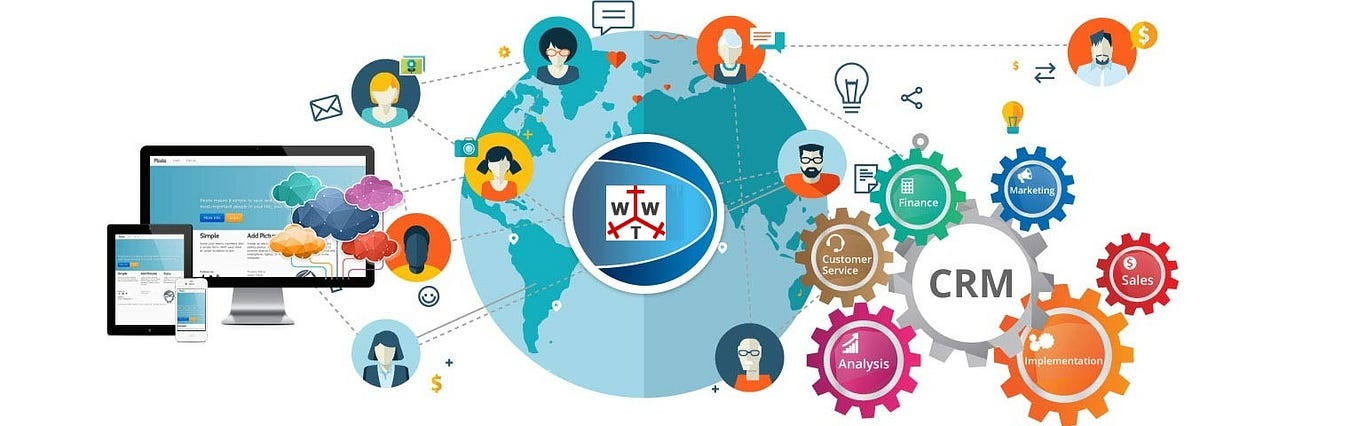
The software that provides a unified view of every customer interaction is a complex, multi-tenant, and highly scalable system. A modern CRM Software Market Platform is architected as an integrated, cloud-native suite of applications built around a central data model. This architecture can be broken down into four key layers: the Core Data and Platform Layer, the Application Layer (Sales, Service, Marketing), the Integration and API Layer, and the Intelligence and Analytics Layer. The foundation of the entire system is the Core Data and Platform Layer. This is the secure, multi-tenant database and application server infrastructure that is the heart of the CRM. It is responsible for storing the core data objects of the system, such as Accounts, Contacts, Leads, and Opportunities. A key architectural principle is the unified data model. This means that all the different applications on the platform—sales, service, and marketing—are all working from the same, single definition of a customer record. This eliminates the data silos that have traditionally plagued enterprises and is the key to creating a true 360-degree view of the customer. This entire foundational layer is hosted in the cloud, providing the scalability, reliability, and security that modern businesses demand.
Built on top of this core data platform is the Application Layer. This is the suite of business applications that the end-users—the salespeople, marketing professionals, and customer service agents—interact with every day. This layer is typically modular, with three main pillars. The Sales Cloud provides the Sales Force Automation (SFA) capabilities, including account and contact management, lead and opportunity management, and sales forecasting. The Service Cloud provides the customer service and support tools, including case management, knowledge bases, and omnichannel routing for customer inquiries. The Marketing Cloud provides the marketing automation tools for email marketing, journey building, and social media management. While these are often sold as separate "clouds" or products, their key architectural advantage is that they are all built on the same underlying data platform, allowing for a seamless flow of information between them. For example, a marketing campaign that generates a new lead can automatically create a lead record in the Sales Cloud, and if that customer later has a service issue, the support agent in the Service Cloud can see their entire sales and marketing history.
The third architectural pillar is the crucial Integration and API Layer. A CRM system does not live in a vacuum; it must be able to connect to the hundreds of other applications a business uses. This layer is what makes that connectivity possible. A modern CRM platform is built with an "API-first" philosophy. It provides a rich and robust set of Application Programming Interfaces (APIs) that allow developers to programmatically read and write data to the CRM and to extend its functionality. This API layer is essential for integrating the CRM with other critical business systems, such as the company's ERP system (for order and billing information), its e-commerce platform, and its data warehouse. This layer also supports a vast app ecosystem or marketplace (like the Salesforce AppExchange). This is where thousands of third-party independent software vendors (ISVs) have built applications that integrate with and extend the core CRM platform, offering specialized solutions for everything from document signing to project management. This open and extensible architecture is a key strength of the leading CRM platforms.
Finally, the most advanced and rapidly evolving layer of the architecture is the Intelligence and Analytics Layer. This is where the vast trove of customer data stored in the CRM is transformed into actionable insights, and it is a layer that is heavily infused with Artificial Intelligence (AI). This layer provides the Business Intelligence (BI) and reporting tools that allow managers to create dashboards and track key performance indicators (KPIs) for sales, marketing, and service. The AI component of this layer is what powers the next generation of CRM capabilities. It includes predictive analytics models, such as "predictive lead scoring," which analyzes the attributes and behaviors of past leads to predict which new leads are most likely to convert into customers. It includes natural language processing (NLP) to analyze customer emails and chat conversations to gauge sentiment. And it includes generative AI, which can be used to help a sales rep draft a personalized email to a prospect or to summarize a long customer service case history, making the entire platform more proactive, intelligent, and efficient.
Top Trending Reports:
Modular Data Center Market
Programmatic Advertising Market
AI In Computer Vision Market
Categories
- Artificial Intelligence (AI)
- Technology
- Business
- Education
- Science
- Lifestyle
- Healthcare
- Entertainment
- Politics
- Environment
- Travel
- Finance
- Automobile
- News
- Art
- Causes
- Crafts
- career
- Dance
- Drinks
- Film
- Fitness
- Food
- Games
- Gardening
- Health
- Home
- Literature
- Music
- Networking
- Other
- Party
- Religion
- Shopping
- Sports
- Theater
- Wellness
Read More
Market Overview and Growth Outlook The Metal Roofing Market was estimated at USD 23.8 billion in 2021 and is projected to reach USD 29.0 billion in 2028. The market is expected to grow at a CAGR of 3.3% during 2022-2028. Its development is supported by demand for durable, energy-efficient, aesthetically appealing, and sustainable roofing solutions. The Metal Roofing Market share landscape is...

Online gambling in Singapore has evolved from a niche hobby into a sophisticated, data‑driven pastime. For players who want to convert curiosity into consistent results, understanding the mechanics behind a top‑tier online casino Singapore platform is essential. This article reveals the strategic considerations that separate casual bettors from seasoned winners, and it shows how the...

Tungsten Market Summary As per MRFR analysis, the Tungsten Market Size was projected to reach USD 48.7 Billion by 2035, growing at a CAGR of 9.53% from 2025 to 2035. This growth will provide significant opportunities for the market during the forecast period, driven by increasing demand, technological advancements, and growing...
1 2 Bis Pentabromophenyl Ethane Market Report Overview The 1 2 Bis Pentabromophenyl Ethane Market report provides a comprehensive and analytically structured examination of the 1 2 Bis Pentabromophenyl Ethane market. Based on rigorous primary and secondary research methodologies, it evaluates competitive dynamics, technological advancements, regulatory environments, and evolving...
حين يطلبون منك مبلغًا قبل السحب، لا تخلط بين الإجراء الطبيعي والفخّ. أحيانًا يكون الطلب رسميًا فعلًا، وأحيانًا يكون مجرد باب جديد لابتزازك، والفارق هنا ليس صغيرًا. راقب الصياغة، لكن راقب أيضًا السياق: هل كانت هذه أول مرة تطلب فيها المنصة شيئًا من هذا النوع؟ هل ظهر الطلب داخل لوحة الحساب نفسها أم عبر رسالة خاصة لا تحمل أي رقم مرجعي؟ لو جاء الطلب بعد أن ضغطت زر السحب مباشرة، أو كان الكلام...

