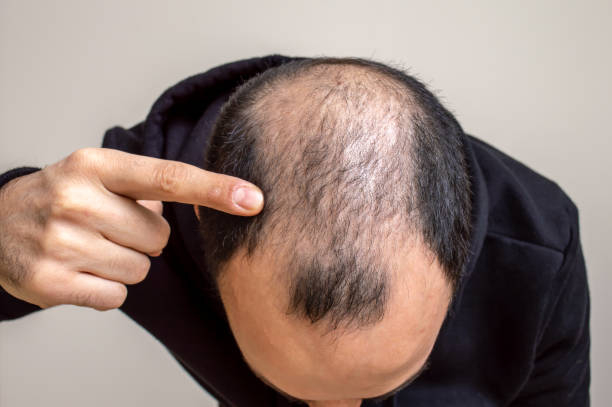
Experiencing hair loss after an illness can be stressful and confusing, especially when it happens unexpectedly. Many people notice increased shedding weeks or months after recovering from an infection, surgery, high fever, or a period of physical stress. This type of hair loss is often temporary, but understanding why it happens and how to support recovery can help you take the right steps toward healthier hair growth.
Hair Loss Treatment after illness focuses on identifying the reason behind hair shedding, improving scalp and follicle health, and supporting the natural hair growth cycle. With proper care, nutrition, and professional guidance, many individuals can gradually restore hair thickness and improve overall hair quality after illness-related hair loss.
Why Hair Loss Happens After Illness
The body prioritizes essential functions during illness, and this can temporarily affect the normal hair growth cycle.
Common Reasons for Post-Illness Hair Loss
- Physical stress on the body
- High fever or infections
- Major surgeries
- Changes in nutrition
- Hormonal fluctuations
- Certain medications
- Emotional stress during recovery
Understanding the trigger helps determine the most suitable approach for restoring healthier hair.
Understanding Temporary Hair Shedding After Illness
One of the most common forms of post-illness hair loss is a condition where more hair follicles enter the shedding phase than usual.
How Post-Illness Shedding Occurs
- Hair growth cycle becomes disrupted
- More follicles enter the resting phase
- Increased shedding appears several weeks later
- New growth gradually begins as the cycle normalizes
Although it can seem alarming, this type of shedding often improves as the body recovers.
When Does Hair Start Growing Back?
Hair recovery after illness varies from person to person and depends on overall health and the cause of shedding.
Factors That Affect Recovery Time
- Severity of the illness
- Nutritional status
- Stress levels
- Existing hair health
- Treatment consistency
- Individual growth cycle
In many cases, gradual improvement occurs as the body returns to normal, but patience is important because hair grows slowly.
Signs That Hair Recovery Is Beginning
Recognizing positive changes can help you track progress.
Common Signs of New Hair Growth
- Reduced daily shedding
- Small new hairs appearing
- Improved hair texture
- Increased hair strength
- Gradual improvement in density
Consistent care can help support the recovery process.
How Hair Loss Treatment Helps After Illness
Professional treatments focus on improving the condition of hair follicles and supporting the natural regrowth process.
Treatment Goals
- Strengthen weakened follicles
- Improve scalp circulation
- Support healthier growth
- Address nutritional concerns
- Reduce ongoing shedding
- Improve overall hair density
A personalized approach ensures treatment matches your specific recovery needs.
Nutrition for Hair Recovery After Illness
The body requires essential nutrients to rebuild and maintain healthy hair.
Important Foods for Hair Health
- Protein-rich foods
- Eggs and fish
- Leafy green vegetables
- Nuts and seeds
- Fruits rich in vitamins
- Iron-containing foods
A balanced diet supports the nutrients required for stronger hair growth.
Daily Habits to Support Hair Regrowth
Healthy routines can help improve hair quality during recovery.
Helpful Hair Care Practices
- Get enough sleep
- Manage stress levels
- Avoid excessive heat styling
- Use gentle hair products
- Stay hydrated
- Maintain scalp hygiene
These habits support the overall health of your hair and scalp.
When Should You Seek Professional Help?
Although some post-illness hair loss improves naturally, persistent shedding may require expert evaluation.
Consider Consulting a Specialist If You Notice
- Hair loss lasting several months
- Significant thinning
- Bald patches
- Sudden severe shedding
- Scalp irritation or discomfort
A specialist can identify the cause and recommend appropriate solutions.
Can Hair Loss After Illness Be Prevented?
While not all cases can be prevented, certain habits may reduce the risk of excessive shedding.
Prevention Tips
- Maintain proper nutrition
- Manage stress effectively
- Follow medical advice during recovery
- Avoid harsh hair treatments
- Address health concerns early
Supporting your overall health also supports healthier hair growth.
Achieve Healthier Hair After Recovery
Recovering from illness-related hair loss takes time, but the right approach can help improve hair strength and appearance. At Royal Clinic Saudia, specialists provide personalized Hair Loss Treatment plans designed to address post-illness hair concerns and support healthier regrowth. Book your appointment today and take the first step toward restoring stronger, fuller-looking hair with expert care.
FAQs:
Hair Loss Treatment After Illness: When Will Hair Grow Back?
Hair often begins improving gradually after the body recovers from illness. The exact timeline depends on the cause of hair loss, overall health, and individual hair growth cycles.
Is Hair Loss After Illness Permanent?
In many cases, hair loss after illness is temporary and improves as the normal growth cycle returns. However, persistent or severe shedding should be evaluated by a specialist.
Can Nutrition Help Hair Grow Back After Illness?
Yes, a balanced diet containing protein, vitamins, minerals, and essential nutrients can support healthier hair growth and recovery.
When Should I See a Hair Specialist After Illness-Related Hair Loss?
If shedding continues for several months, becomes severe, or causes noticeable thinning, professional evaluation can help identify the cause and determine suitable treatment options.