


Dimple Creation Surgery Recovery Timeline: Day-by-Day Guide
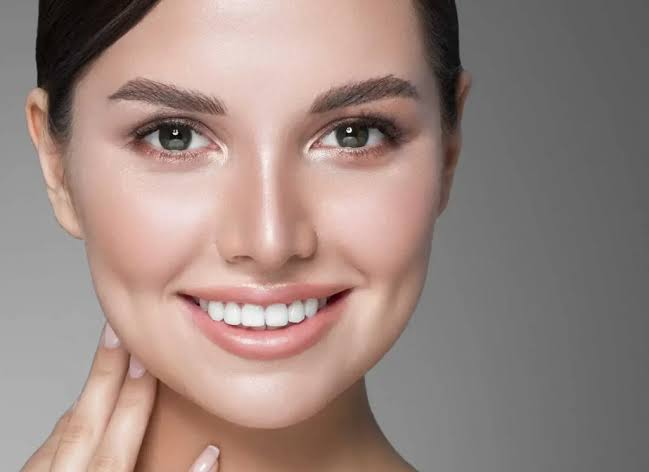
A natural-looking smile can be enhanced with subtle facial features, and Dimple Creation Surgery in Dubai has become a popular cosmetic option for individuals who want to achieve permanent cheek dimples. Understanding the healing process before undergoing this procedure helps patients prepare for each stage of recovery and know what changes to expect. While results develop gradually, following proper aftercare instructions plays an important role in achieving a smooth recovery.
Understanding the Recovery Process After Dimple Creation Surgery
Dimple creation is a minimally invasive cosmetic procedure that creates a small indentation in the cheek by forming a connection between the skin and underlying facial tissue. Since the treatment involves delicate tissues inside the mouth, the first few days require careful attention to hygiene, swelling control, and lifestyle adjustments. Recovery experiences can vary depending on individual healing patterns, but most patients notice steady improvement over time.
During the initial recovery period, patients may experience mild swelling, tenderness, bruising, or tightness around the treated area. These effects are usually temporary and gradually reduce as the tissues heal. Maintaining good oral care, avoiding unnecessary pressure on the cheeks, and following recommended instructions can support a comfortable recovery journey.
The recovery stages of Dimple Creation Surgery typically progress through several phases, beginning immediately after the procedure and continuing until the dimples achieve a more natural appearance. In the first few days, the newly created dimples may appear more noticeable than expected because the tissues are still adjusting. As healing continues, the appearance becomes softer and blends more naturally with facial expressions.
Day 1 to Day 3: Managing Early Healing
The first three days after surgery are focused on protecting the treated area and reducing common post-procedure effects. Patients may notice swelling, mild discomfort, and a feeling of tightness when moving their cheeks or smiling. These reactions are part of the body’s normal healing response.
During this stage, helpful recovery practices include:
- Maintaining gentle oral hygiene to keep the mouth clean
- Following post-treatment care instructions carefully
- Choosing softer foods to minimize cheek movement
- Avoiding touching or pressing the treated area unnecessarily
- Allowing adequate rest to support tissue repair
The dimples may look deeper or more defined during this early phase, but this appearance does not represent the final outcome. The cheeks continue to adapt as swelling decreases and internal healing progresses.
Day 4 to Week 2: Swelling Reduction and Tissue Adjustment
After the first few days, swelling generally begins to decrease, and daily activities become easier. Many patients notice improved comfort while eating, speaking, and making facial expressions. However, the cheeks may still feel slightly firm or sensitive as the internal tissues continue to settle.
By the second week, visible signs of recovery often become less noticeable. The dimples may appear when smiling but can also remain visible at rest depending on how quickly the tissues adjust. Avoiding habits that place strain on the cheeks can help maintain the intended shape during this important healing stage.
Weeks 3 to 6: Developing a Natural Appearance
As the healing process continues, the treated area becomes softer and more integrated with the surrounding facial structure. The initial tightness usually reduces, allowing facial movements to feel more natural. During this period, the dimples begin transitioning from a surgical appearance to a more subtle enhancement.
Patients often become more comfortable with their changing appearance during these weeks because the results start to look less prominent and more balanced. Individual healing speed, skin characteristics, and facial structure all influence how quickly the final look develops.
Months 2 to 6: Long-Term Results and Final Healing
The later recovery stage involves gradual refinement of the dimples. Over several months, the cheek tissues continue remodeling, and the dimples usually become more natural-looking with facial expressions. Some patients may notice that the dimples are more visible while smiling rather than when the face is relaxed.
During this time, maintaining general facial care and protecting overall skin health can contribute to a refreshed appearance. Although the procedure creates a permanent structural change, the final result is shaped by the body’s natural healing process.
Factors That Can Affect Recovery Time
Several factors may influence how quickly someone heals after dimple creation. These include individual tissue response, lifestyle habits, adherence to aftercare recommendations, and overall health. While some people experience a faster recovery, others may require additional time before the dimples fully settle.
Important factors that may affect recovery include:
- Natural healing ability
- Proper post-procedure care
- Oral hygiene practices
- Avoiding irritation during healing
- Following recommended activity restrictions
Being patient during recovery allows the tissues to heal properly and helps the final results appear more natural.
Tips for a Smooth Dimple Creation Surgery Recovery
A successful recovery depends not only on the procedure itself but also on how carefully patients care for the treated area afterward. Simple daily habits can make the healing period more comfortable and support better outcomes.
Patients should prioritize gentle care, stay consistent with recommended instructions, and avoid rushing back into activities that may interfere with healing. Keeping expectations realistic is also important because cosmetic results often improve gradually rather than appearing immediately.
When to Expect the Final Results
Although improvements can be seen within the first few weeks, the final appearance of created dimples may take several months to fully develop. The cheeks need time to adjust, and the connection between the skin and underlying tissue continues strengthening during recovery.
Most patients appreciate the gradual transformation because it allows the dimples to blend naturally with their facial expressions. Regular follow-up care, when recommended, can help monitor healing progress and address any concerns during recovery.
Conclusion
Understanding the recovery timeline is an important part of preparing for a cosmetic procedure. With proper aftercare, patience, and realistic expectations, patients can enjoy natural-looking results that complement their facial features. Choosing a trusted aesthetic facility such as Dynamic Clinic can provide professional guidance throughout the treatment journey and recovery process.
Categories
- Artificial Intelligence (AI)
- Technology
- Business
- Education
- Science
- Lifestyle
- Healthcare
- Entertainment
- Politics
- Environment
- Travel
- Finance
- Automobile
- News
- Art
- Causes
- Crafts
- career
- Dance
- Drinks
- Film
- Fitness
- Food
- Games
- Gardening
- Health
- Home
- Literature
- Music
- Networking
- Other
- Party
- Religion
- Shopping
- Sports
- Theater
- Wellness
Read More
Teenage years often come with significant skin changes due to hormonal fluctuations, increased oil production, and lifestyle factors. Acne, blackheads, and uneven skin texture are common concerns that can affect confidence during this stage of life. As skincare awareness grows, many teenagers and parents are exploring professional treatments that are gentle, effective, and non-invasive. One...
The Philippine ICT Market share is witnessing a strategic expansion driven by multinational technology providers and local innovators. The market projected to grow from USD 825.2 Billion in 2025 to USD 1,090.89 Billion by 2035, exhibiting a compound annual growth rate (CAGR) of 2.86% during the forecast period (2025 - 2035), underscores the increasing significance of ICT in economic...

"According to the latest report published by Data Bridge Market Research, the Honeycomb Core Materials Market The global honeycomb core materials market size was valued at USD 3.42 billion in 2024 and is expected to reach USD 7.13 billion by 2032, at a CAGR of 9.62% during the forecast period A talented team works strictly with their potential capabilities to produce the most...
The Diabetes Drug Market is expected to remain a major area of pharmaceutical development as the global diabetes burden continues to grow. Future opportunities are likely to emerge from advances in drug discovery, improved treatment delivery, and increasing demand for patient-focused healthcare. One important direction is the development of therapies that can provide effective blood...
According to a new report from Intel Market Research, the global Streaming Analytics Market was valued at USD 20 billion in 2025 and is projected to reach USD 55 billion by 2034, growing at a CAGR of 12% during the forecast period (2025–2034). This rapid expansion is being driven by the increasing adoption of real-time data processing, rising demand for low-latency insights, the...
