


A Detailed Breakdown of Ransomware Protection Market Types and Solutions
Categorization by Solution: A Multi-Pronged Defense Strategy
The ransomware protection market is comprised of various distinct but interconnected solution types, each playing a specific role in a layered defense strategy. A fundamental category is Standalone Anti-Ransomware Software, which includes advanced endpoint protection that uses behavioral analysis and AI to detect and block encryption processes in real-time. Another critical solution type is Secure Data Backup and Recovery, which acts as the ultimate safety net, allowing organizations to restore their data without paying a ransom. Modern solutions offer immutable backups that cannot be altered or deleted by attackers. Network Security Solutions, such as next-generation firewalls (NGFWs) and intrusion prevention systems (IPS), are essential for blocking malicious traffic and preventing ransomware from entering the network in the first place. Further analysis of Ransomware Protection Market Types reveals the importance of Email Security Gateways to filter out phishing emails—a primary initial access vector—and Data Loss Prevention (DLP) tools to prevent the exfiltration of sensitive data, which is key to thwarting double extortion tactics. Each of these solution types addresses a different stage of the attack lifecycle.
Segmentation by Service: Managed vs. Professional Offerings
Beyond technology solutions, the market is heavily segmented by the services offered to deploy, manage, and respond to threats. Professional Services encompass a range of one-time or project-based engagements. This includes security consulting to assess an organization's posture, develop a ransomware resilience strategy, and assist with the implementation and integration of security tools. A critical component is Incident Response (IR) services, where expert teams are brought in post-breach to contain the threat, conduct forensic analysis, and guide the recovery process. On the other hand, Managed Services represent a continuous, subscription-based relationship. This segment is dominated by Managed Security Service Providers (MSSPs) and Managed Detection and Response (MDR) providers. These services are ideal for organizations lacking in-house security expertise. MSSPs offer 24/7 monitoring and management of security infrastructure, while MDR services provide a more advanced function, focusing on proactive threat hunting and rapid, expert-led response to detected threats. The rapid growth of the managed services segment highlights the market's response to the global cybersecurity skills shortage.
Deployment Models: On-Premises, Cloud, and Hybrid Approaches
The deployment model is another critical way to segment the ransomware protection market, reflecting the broader shifts in IT infrastructure. The On-Premises deployment model involves installing and running security software on an organization's own physical servers and hardware within its own data centers. While this provides maximum control, it also requires significant capital investment and in-house expertise for maintenance and management. It remains a preference for organizations with strict data residency requirements or those with large, legacy infrastructures. The Cloud-Based (SaaS) model has become the dominant trend, offering scalability, flexibility, and lower upfront costs. Security solutions delivered from the cloud are easy to deploy and are continuously updated by the vendor, relieving the customer of the maintenance burden. This model is particularly suited for protecting distributed workforces and cloud-native applications. Finally, the Hybrid model offers a combination of both, allowing organizations to deploy certain security controls on-premises while leveraging the cloud for others, providing a balanced approach that fits the complex, mixed IT environments of most modern enterprises.
Organization Size: Tailoring Protection for SMEs and Large Enterprises
The needs and purchasing behaviors for ransomware protection vary significantly based on organization size. Large Enterprises typically have complex, sprawling IT environments and dedicated security teams. They demand sophisticated, scalable, and highly customizable solutions that can be integrated into their existing security operations center (SOC). They often purchase comprehensive security platforms and leverage advanced features like threat intelligence feeds and orchestrated response playbooks. Their large budgets allow them to invest in a deep stack of best-of-breed technologies and employ teams of security analysts. In contrast, Small and Medium-sized Enterprises (SMEs) face a different set of challenges. They are equally, if not more, targeted by attackers but operate with limited budgets and little to no dedicated security personnel. For this segment, the ideal solution is one that is affordable, easy to deploy and manage, and highly automated. "All-in-one" security suites and services delivered through Managed Service Providers (MSPs) are particularly popular in the SME market, as they provide enterprise-grade protection without the enterprise-grade complexity or cost, representing a massive growth area for the industry.
Top Trending Reports:
Categories
- Artificial Intelligence (AI)
- Technology
- Business
- Education
- Science
- Lifestyle
- Healthcare
- Entertainment
- Politics
- Environment
- Travel
- Finance
- Automobile
- News
- Art
- Causes
- Crafts
- career
- Dance
- Drinks
- Film
- Fitness
- Food
- Games
- Gardening
- Health
- Home
- Literature
- Music
- Networking
- Other
- Party
- Religion
- Shopping
- Sports
- Theater
- Wellness
Read More
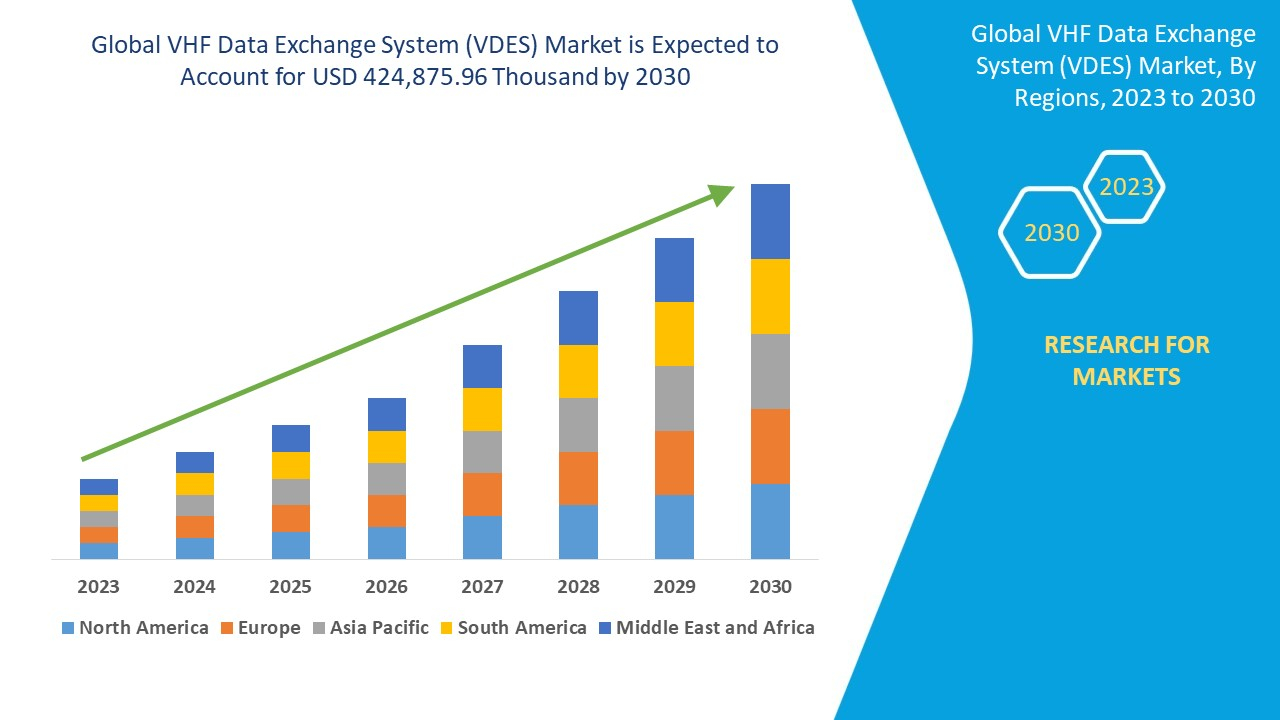
According to the latest report published by Data Bridge Market Research, the VHF Data Exchange System (VDES) Market The global VHF data exchange system (VDES) market is expected to reach a value of USD 424,875.96 thousand by 2030, at a CAGR of 16.1% during the forecast period. The market research data included in this VHF Data Exchange System (VDES) Market document is analysed...
Global Demand Outlook for Executive Summary Benelux Resuscitation Devices Market Size and Share The Benelux Resuscitation Devices Market is witnessing strong growth due to the increasing prevalence of cardiovascular diseases, respiratory disorders, and rising cases of sudden cardiac arrest across Belgium, the Netherlands, and Luxembourg. Resuscitation devices are essential medical...

Men's health has become an increasingly important topic as more people seek effective ways to improve their confidence, overall wellness, and quality of life. Modern regenerative treatments are gaining attention because they focus on supporting the body's natural healing abilities rather than relying solely on traditional methods. Among these innovative options, P Shot in Riyadh has become a...

Tracking Compound Semiconductor Market Trends is essential for engineers and strategists looking to align their product roadmaps with the next big hardware evolution. From AI-driven chip design to advancements in high-frequency radio systems, the trends are clear: performance is moving to the material level. Market Overview and Introduction Current market trends point toward a fundamental...

According to Market Research Future®, the Non Ferrous Metals Market was valued at USD 247.66 billion in 2024 and is projected to grow from USD 260.76 billion in 2025 to USD 436.72 billion by 2035, registering a compound annual growth rate (CAGR) of 5.29% during the forecast period. Rising demand for lightweight, corrosion-resistant, and highly conductive metals across automotive,...

