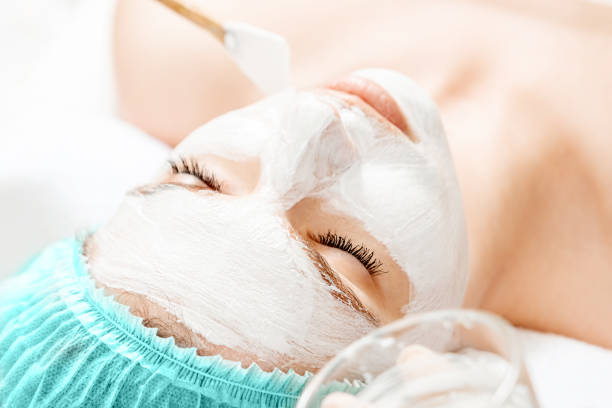
A glycolic acid peel is a professional skin resurfacing treatment that uses glycolic acid, an alpha hydroxy acid (AHA), to exfoliate the outer layer of dead skin cells. This process helps support skin renewal, improve texture, and enhance the overall appearance of the complexion. The treatment is commonly chosen by individuals who want smoother, brighter, and healthier-looking skin.
Many individuals consider glycolic acid peel to improve concerns such as dullness, uneven texture, mild pigmentation, and rough skin. A professional consultation helps determine the most suitable treatment approach based on individual skin type and goals.
How Does a Glycolic Acid Peel Session Begin?
Before starting the treatment, a skincare professional evaluates your skin condition and discusses your concerns, expectations, and desired results. This assessment helps determine the appropriate glycolic acid concentration and treatment plan.
The skin is then cleansed thoroughly to remove makeup, oil, and impurities. Proper preparation allows the glycolic acid solution to work effectively and ensures a more comfortable treatment experience.
Steps Involved During a Glycolic Acid Peel Session
Skin Preparation
The first step involves preparing the skin by gently cleansing the treatment area. Removing surface buildup allows the peel solution to spread evenly and work efficiently on the skin.
A professional may also examine the skin closely to ensure the treatment is suitable and adjust the procedure according to skin sensitivity.
Application of Glycolic Acid Solution
During the session, the glycolic acid solution is carefully applied to the skin using professional techniques. The solution remains on the skin for a specific amount of time depending on the strength of the peel and individual skin needs.
The glycolic acid works by loosening dead skin cells and encouraging exfoliation. This helps reveal a smoother and fresher-looking layer of skin underneath.
Monitoring the Skin Response
Throughout the treatment, the skin’s response is monitored carefully. Mild tingling or warmth may occur during the session, which can be a normal sensation during exfoliation.
A professional ensures that the treatment remains comfortable and adjusts the process if needed according to the skin’s reaction.
Removing the Peel Solution
After the appropriate time, the glycolic acid solution is removed or neutralized according to the treatment method. The skin is then cared for with suitable products to help maintain comfort and support the recovery process.
What Does a Glycolic Acid Peel Feel Like?
Most individuals describe a glycolic acid peel session as a mild tingling or warming sensation on the skin. The experience can vary depending on the peel strength and individual sensitivity.
Professional application helps ensure the treatment is performed safely while providing a comfortable experience based on your skin condition.
What Happens After a Glycolic Acid Peel Session?
After the treatment, the skin may appear brighter and smoother. Some individuals may experience temporary redness, dryness, or light peeling as the skin renews itself.
Following proper aftercare instructions is important after a glycolic acid peel. Using gentle skincare products, applying sunscreen, and avoiding harsh ingredients can help protect the skin during the recovery period.
Benefits of Getting a Professional Glycolic Acid Peel
Improves Skin Texture
The treatment helps remove dead skin cells and smooth the surface of the skin, creating a more refined and even appearance.
Enhances Skin Brightness
By removing dull surface buildup, glycolic acid peels can help improve the appearance of tired-looking skin and promote a natural glow.
Supports Skin Renewal
The exfoliation process encourages the skin’s natural renewal cycle, helping maintain a fresher and healthier-looking complexion.
Helps Improve Uneven Skin Tone
Glycolic acid peels may help reduce the appearance of mild discoloration and support a more balanced skin tone.
How to Prepare for a Glycolic Acid Peel Session
Preparing your skin before treatment can help improve the overall experience. It is important to follow professional recommendations, avoid irritating products before the session, and discuss any skincare concerns during consultation.
A customized preparation plan ensures that your skin is ready for treatment and helps support better outcomes.
Why Choose Professional Glycolic Acid Peel Treatment?
A professional glycolic acid peel provides a personalized approach based on your skin type, concerns, and desired results. Specialists can select the appropriate peel strength and technique to support effective exfoliation while maintaining skin comfort.
Choosing Glycolic Acid Peel in Riyadh from a trusted skincare provider allows you to receive expert guidance and a treatment plan designed to improve your skin’s appearance safely and effectively.
Book Your Appointment at Royal Clinic Saudia
If you want to learn more about the glycolic acid peel process and find out if it is suitable for your skin, professional guidance can help you choose the right option. Schedule a consultation at Royal Clinic Saudia to discuss your skincare goals and explore a personalized approach for achieving healthier-looking Glycolic Acid Peel treatment.
FAQs:
How long does a glycolic acid peel session take?
A session usually takes a short time, depending on the treatment plan and skin needs.
Is a glycolic acid peel painful?
Most people feel mild tingling or warmth during the treatment rather than pain.
When can I see results after a glycolic acid peel?
Skin may appear smoother and brighter as the renewal process begins.
Can I return to normal activities after a glycolic acid peel?
Most people can continue daily activities while following recommended aftercare instructions.