Industrial Pumping Systems: Integration and Intelligence

The concept of an industrial pumping system extends beyond the pump itself. Modern systems integrate the pump with variable frequency drives, advanced controls, sensors, and software to create a highly efficient, intelligent, and connected asset. This shift towards integrated systems is a key trend reshaping the centrifugal pump market. Industry observations from Market Research Future confirm that this move towards smart, connected systems is a primary driver of growth.
The Anatomy of a Modern Pumping System
A modern industrial pumping system typically includes:
-
The Centrifugal Pump: The core hydraulic unit, available in various configurations (single-stage, multi-stage, etc.).
-
The Driver: Typically an electric motor, but can also be diesel/engine-driven or hydraulic.
-
The Variable Frequency Drive (VFD): An electronic controller that adjusts motor speed to match the system demand, saving significant energy.
-
Control and Monitoring System: PLCs, SCADA, or IoT platforms that monitor performance, diagnose faults, and optimize operation.
-
Sensors: Pressure, flow, temperature, and vibration sensors that provide real-time data on pump health and process conditions.
The integration of these components is essential for achieving optimal efficiency, reliability, and process control.
Key Trends: Energy Efficiency and Digitalization
Two key trends are shaping the development of industrial pumping systems. Energy efficiency is a primary focus, driven by rising energy costs and regulatory mandates. The integration of VFD technology is standard practice for new installations, as it can reduce energy consumption by 20-40% in variable-load applications. The adoption of high-efficiency pump designs and motors is also being driven by regulations like the EU's Ecodesign and the US DOE's pump-efficiency standards.
Digitalization is the other major trend. The integration of IoT sensors and cloud-based analytics is enabling a shift from reactive or calendar-based maintenance to predictive maintenance. By continuously monitoring vibration, temperature, and other parameters, these systems can detect developing faults, allowing for maintenance to be scheduled before a costly failure occurs. This is the driving force behind the IoT and smart-pump adoption, which is estimated to reach 30% of new-unit shipments by 2030.
The Role of Smart Pumps and Digital Services
The development of smart pumps is a core part of this digital transformation. These pumps have embedded intelligence, sensors, and communication capabilities. They can self-diagnose, optimize their own performance, and communicate with central control systems. This data can also be monetized, creating a new aftermarket revenue stream for OEMs.
Pump-as-a-Service models are emerging, where customers pay for the outcome (e.g., cubic meters of water pumped) rather than purchasing the hardware outright. This shifts revenue from one-time capex to recurring opex, improving OEM visibility and customer stickiness. The data monetization through connected pump fleets also enables OEMs to benchmark efficiency across industries and create a consultative revenue stream.
Challenges in System Integration
The primary challenge is the complexity of integrating multiple components from different vendors. Ensuring compatibility and achieving seamless communication requires specialized skills. Cybersecurity is a growing concern, as connected pumping systems become part of the broader industrial internet of things (IIoT).
Future Outlook
The future of industrial pumping systems lies in autonomous operation. AI-driven algorithms will be able to self-optimize pump performance in real-time, adjusting to changing process conditions without human intervention. The convergence of digital twins and AI will enable operators to simulate and optimize entire pumping networks. According to Market Research Future, the evolution of the Centrifugal Pump Market will be defined by the increasing intelligence and connectivity of these systems.
Dive into related studies for a broader Market Analysis perspective:
US 3D Printed Battery Market Analysis
Categories
- Artificial Intelligence (AI)
- Technology
- Business
- Education
- Science
- Lifestyle
- Healthcare
- Entertainment
- Politics
- Environment
- Travel
- Finance
- Automobile
- News
- Art
- Causes
- Crafts
- career
- Dance
- Drinks
- Film
- Fitness
- Food
- Games
- Gardening
- Health
- Home
- Literature
- Music
- Networking
- Other
- Party
- Religion
- Shopping
- Sports
- Theater
- Wellness
Read More
Custom shawarma paper is used in many food shops and street food stalls. It helps wrap shawarma in a clean and simple way. It also keeps the food warm for a short time. Many sellers use it to make serving easier during busy hours. The paper also helps keep hands clean while eating. It is often used in small food outlets and large restaurants as well. The design can be plain or printed depending...

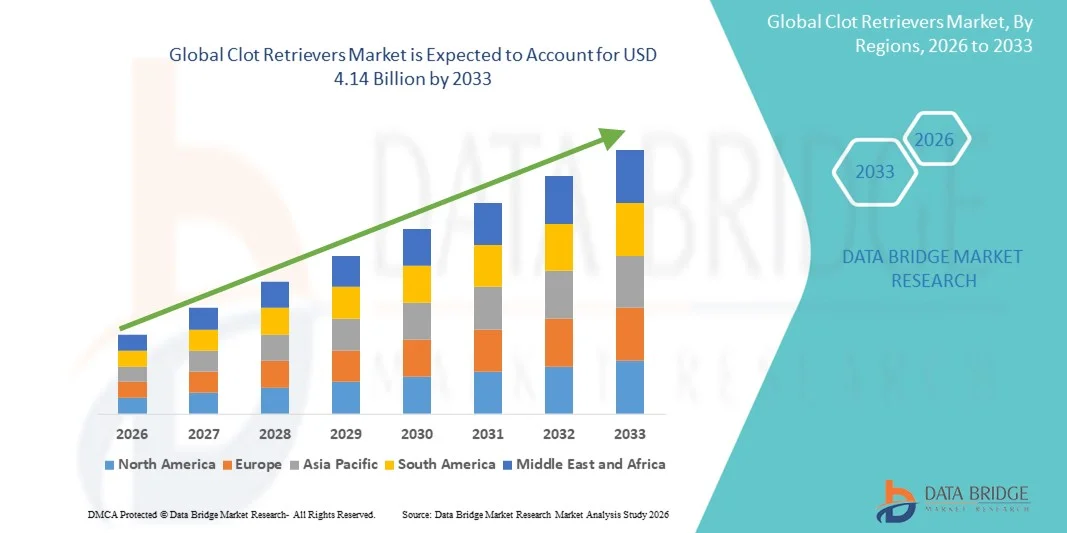
According to the latest report published by Data Bridge Market Research, the Clot Retrievers Market The global clot retrievers market size was valued at USD 2.10 Billion in 2025 and is expected to reach USD 4.14 Billion by 2033, at a CAGR of 8.86% during the forecast period. The persuasive Clot Retrievers Market report covers several topics...
The Medical Sensors Market is expanding as healthcare providers increasingly adopt technologies for real-time monitoring, early diagnosis, and personalized care. According to Market Research Future, the market was valued at USD 24.42 billion in 2024 and is projected to reach USD 44.98 billion by 2035, registering a 5.71% CAGR during 2025–2035. The growing prevalence of chronic diseases...

When considering any medical procedure, understanding the long-term effects is as important as knowing the immediate benefits. For those exploring the MiraDry Treatment in Riyadh, questions about durability, safety, and the lasting impact on daily life are essential. Miradry Treatment in Riyadh(علاج الميرادراي في الرياض) examines the long-term effects of MiraDry, providing a...

Liposuction can be used to improve localized body contours in women who have stubborn fat deposits that remain despite healthy lifestyle habits. For women considering Liposuction in Riyadh (عملية شفط الدهون في الرياض), treatment can be tailored to individual body shape, fat distribution, skin quality, and aesthetic goals. The procedure is primarily intended for body contouring rather...