


What Is the Best Treatment for Actinic Keratosis Spots?
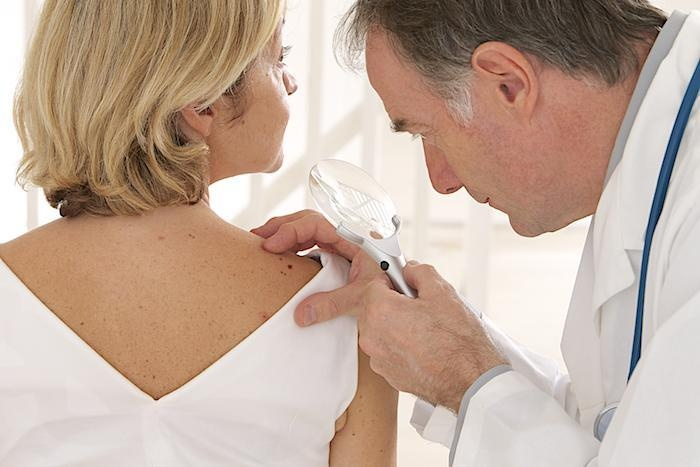
Actinic keratosis spots are rough, scaly patches that develop after years of sun exposure and should not be ignored. For people exploring Actinic Keratosis Treatment in Dubai, understanding the available treatment options can make it easier to choose an approach based on the number, location, and characteristics of the spots. Because some actinic keratoses can progress to a type of skin cancer, early assessment and proper management are important.
The best treatment is not always a single option. Some spots respond well to targeted removal, while widespread sun damage may require treatment over a larger area. This guide explains the most commonly used approaches in beginner-friendly terms and highlights what to consider when discussing treatment with a qualified skin specialist.
Understanding Actinic Keratosis and Why Treatment Matters
Actinic keratosis, also called solar keratosis, is a common form of sun damage affecting the skin. It often appears as a dry, rough, crusty, or scaly patch and may be easier to feel than to see in its early stages.
These lesions commonly develop on areas that receive frequent ultraviolet exposure, including:
- The face
- The ears
- The scalp, particularly in areas with thinning hair
- The neck
- The backs of the hands
- The forearms
Although an individual spot may remain stable, actinic keratoses are considered precancerous lesions because a small proportion can develop into squamous cell carcinoma. It is not possible to reliably predict which individual lesion will progress, which is one reason suspicious or persistent spots should be professionally evaluated.
Treatment also addresses the visible and physical effects of chronic sun damage. Depending on the method used, a clinician may treat individual lesions or target a wider area containing multiple abnormal skin cells.
What Is the Best Treatment for Individual Actinic Keratosis Spots?
When there are only a few distinct lesions, cryotherapy for actinic keratosis is often one of the most commonly used treatment approaches. This method uses extreme cold, typically liquid nitrogen, to destroy abnormal cells within a targeted area.
Cryotherapy is usually performed during an outpatient appointment. The treated spot may temporarily become red, swollen, blistered, or crusted before healing.
Targeted treatment may also be appropriate when a clinician can clearly identify individual lesions. Other options may include procedures that remove or destroy abnormal tissue, depending on the lesion and its location.
The most suitable choice can depend on several factors:
- Number of spots: A few isolated lesions may be treated individually.
- Location: Delicate areas, such as the face or ears, may require a carefully selected approach.
- Thickness: Thicker or more persistent lesions may need a different management strategy.
- Previous treatments: Recurring lesions can influence future treatment decisions.
- Skin condition: The amount of surrounding sun damage may determine whether field treatment is useful.
A consultation for Actinic Keratosis Treatment in Dubai can help determine whether a spot should be treated directly, monitored, biopsied, or managed alongside broader sun-damaged skin.
Field Therapy for Multiple Sun-Damaged Areas
Sometimes the visible spots are only part of the problem. Skin exposed to years of ultraviolet radiation can contain abnormal cells in the surrounding area even when those changes are not yet visible.
In these cases, clinicians may recommend field therapy, which treats a broader section of skin rather than focusing only on individual lesions. This approach may be considered for areas with multiple actinic keratoses or extensive signs of chronic sun damage.
Several types of topical and procedure-based field treatments may be used. Topical therapies are applied to the skin over a prescribed period and work by targeting abnormal cells through different mechanisms.
Depending on the specific treatment, temporary effects can include:
- Redness
- Scaling or peeling
- Crusting
- Tenderness
- Burning or irritation
- Temporary swelling
These reactions can be part of the treatment process, but their severity and duration vary. Following the prescribed instructions and reporting unexpected reactions is important.
Field therapy may be especially useful for the face, scalp, or other areas where multiple lesions repeatedly develop. Rather than treating only the spots that are currently visible, the goal may be to address a wider zone of damaged skin.
Topical Creams and Medications for Actinic Keratosis
Topical treatments can be useful when actinic keratoses are widespread. A skin specialist may prescribe a cream or gel based on the location of the lesions, the amount of sun damage, and the patient's overall circumstances.
Different topical medicines work in different ways. Some stimulate an immune response against abnormal cells, while others directly damage or interfere with the growth of rapidly dividing abnormal cells.
These treatments generally require consistent application over a specific treatment period. Unlike a procedure that treats a spot during one appointment, topical therapy may cause visible changes gradually as the treated skin reacts.
It is important not to stop or extend a prescribed treatment without professional guidance. Applying more product than directed does not necessarily improve results and may increase irritation.
For patients considering actinic keratosis removal, topical therapy may be part of a broader plan rather than a replacement for evaluation of every suspicious lesion. A spot that looks unusual, changes significantly, bleeds, becomes painful, or fails to heal may require further examination.
Can Light-Based Treatments Help Treat Actinic Keratosis?
Photodynamic therapy, often called PDT, is another treatment option used for certain actinic keratoses. It generally involves applying a light-sensitive medication to the affected area and then activating it with a specific light source after an appropriate preparation period.
The treatment is designed to selectively damage targeted abnormal cells. It may be particularly useful when there are multiple lesions in a defined treatment area.
Light-based treatment can offer an alternative to treating every lesion individually, especially in cosmetically important areas. However, suitability depends on the type and extent of the lesions, skin characteristics, and other clinical considerations.
Some patients experience temporary redness, sensitivity, crusting, or discomfort after treatment. The skin may also require careful protection from sunlight during the recovery period.
Photodynamic therapy is not automatically the “best” option for everyone. The most effective choice depends on whether treatment is being directed at a few lesions, multiple lesions, or an entire sun-damaged field.
How Is the Right Treatment Option Chosen?
There is no universal treatment that is best for every actinic keratosis spot. A professional assessment is important because lesions can vary in thickness, appearance, and potential risk.
Before recommending Actinic Keratosis Treatment in Dubai, a qualified clinician may examine the skin closely and assess the overall pattern of sun damage. If a lesion appears atypical or there is concern about a more serious condition, additional evaluation may be recommended.
Treatment planning may consider:
- Whether there is one lesion or many
- The size and thickness of each lesion
- Whether lesions are recurring
- The location on the body
- The degree of surrounding sun damage
- Previous treatment history
- The likelihood of tolerating temporary redness or irritation
- Cosmetic considerations
- Whether a suspicious lesion requires further investigation
In some cases, combining treatments may provide the most appropriate approach. For example, individual thick lesions may be treated directly while surrounding sun-damaged skin is managed with a field-based therapy.
This personalized approach can help address both visible lesions and the broader effects of chronic ultraviolet exposure.
Preventing New Actinic Keratosis Spots After Treatment
Removing or treating existing lesions does not erase previous sun damage or prevent new actinic keratoses from forming. Ongoing sun protection is therefore an essential part of long-term skin care.
Daily protective habits can reduce additional ultraviolet exposure and support the skin after treatment. Useful strategies include using broad-spectrum sunscreen, seeking shade when practical, and wearing protective clothing.
Consider these everyday habits:
- Apply broad-spectrum sunscreen with an appropriate SPF as directed.
- Reapply sunscreen according to product instructions, especially after sweating or water exposure.
- Wear a wide-brimmed hat when spending time outdoors.
- Use protective clothing to cover frequently exposed areas.
- Avoid intentional tanning and excessive ultraviolet exposure.
- Check the skin regularly for new, changing, bleeding, or non-healing spots.
- Attend recommended follow-up appointments.
People who have developed actinic keratoses may remain more likely to develop additional lesions because of accumulated sun exposure. Regular skin examinations can help identify changes early.
Sun protection should also continue on cloudy days because ultraviolet radiation can still reach the skin. Consistent habits are generally more valuable than relying on occasional protection only during vacations or outdoor events.
What Results and Recovery Can You Expect?
Recovery depends largely on the treatment method. Cryotherapy may cause temporary blistering or crusting in a small area, while field treatments and topical medications can create redness and peeling across a broader treatment zone.
The appearance of the skin can temporarily worsen before it improves, particularly with treatments designed to trigger a visible reaction in abnormal cells. Patients should follow aftercare instructions rather than judging the outcome too early.
Healing time can vary based on the treatment, body area, size of the treated zone, and individual skin response. Avoiding unnecessary irritation and protecting healing skin from excessive sun exposure are often important parts of aftercare.
A follow-up examination may be recommended to assess treatment response and check for persistent or new lesions. Continued monitoring is particularly important because actinic keratoses can recur and new spots may develop over time.
Conclusion: Choosing the Best Approach for Actinic Keratosis Spots
The best treatment for actinic keratosis depends on the individual rather than a one-size-fits-all answer. Cryotherapy may be suitable for isolated spots, while topical medications or field therapy can help manage broader areas of sun-damaged skin, and photodynamic therapy may be an appropriate option in selected cases.
The most important step is obtaining a proper assessment, particularly for spots that change, bleed, become painful, grow quickly, or do not heal. For anyone considering Actinic Keratosis Treatment, a personalized plan and ongoing sun protection can help manage existing lesions while supporting long-term skin health.
Categories
- Artificial Intelligence (AI)
- Technology
- Business
- Education
- Science
- Lifestyle
- Healthcare
- Entertainment
- Politics
- Environment
- Travel
- Finance
- Automobile
- News
- Art
- Causes
- Crafts
- career
- Dance
- Drinks
- Film
- Fitness
- Food
- Games
- Gardening
- Health
- Home
- Literature
- Music
- Networking
- Other
- Party
- Religion
- Shopping
- Sports
- Theater
- Wellness
Read More
The structural expansion of non-bank private credit and hybrid corporate financing represents one of the most significant evolutions in global capital markets over the past decade. Enterprise demand for customized, subordinate growth capital is experiencing unprecedented momentum, driven by a confluence of tightening commercial bank lending conditions, record dry powder across private equity...

The Blood Group Typing Market is an important segment of the global healthcare diagnostics industry, supporting safe blood transfusions, organ transplantation, pregnancy management, and clinical diagnosis. Blood group typing identifies blood group antigens and antibodies, helping healthcare professionals determine compatibility between donors and recipients. The growing number of blood...

The online entertainment industry continues to grow because people enjoy fast, convenient, and engaging digital experiences. Many users search for trusted platforms that are easy to access, simple to understand, and enjoyable to use. One keyword that often appears in online searches is da88 People are interested in learning about its features, user experience, and overall convenience. DA88...

Understanding Market Share Dynamics The Autonomou Agent share landscape is shaped by competition among providers offering agent frameworks, enterprise automation products, cloud services, and specialized AI applications. Market share can be assessed through different measures, including customer adoption, product usage, commercial revenue, and deployment across business functions. These...

Battery technology is one of the most important components influencing the transition toward electrified military transportation. Improvements in energy storage can affect vehicle range, operating endurance, weight, charging requirements, and overall platform performance. The Military Hybrid Electric Vehicle Electric Vehicle Market is being influenced by advances in lithium-ion, solid-state,...
