The health of your skin is not just about treating problems when they arise—it is about preventing them before they start. For those considering Mole Removal in Riyadh, Mole Removal in Riyadh understanding the importance of proactive skin monitoring can help you maintain long-term skin health. This guide explores how mole removal and regular monitoring work together to protect your skin.
The Role of Skin Monitoring
Regular Self-Examinations
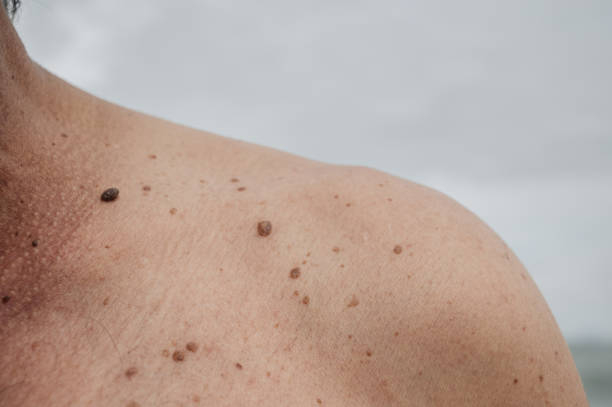
One of the most effective ways to monitor your skin is through regular self-examinations. By familiarizing yourself with the appearance of your moles, you can quickly detect any changes that may warrant professional evaluation. Look for the ABCDE signs—asymmetry, irregular borders, color variation, diameter over 6mm, and evolution over time. Early detection of changes is key to preventing complications.
Professional Skin Checks
In addition to self-exams, regular professional skin checks are essential. A dermatologist can examine your entire body, including areas difficult to examine yourself, and use tools like a dermatoscope to examine moles beneath the skin's surface. They can also track changes over time with full-body photography, providing a baseline for future comparisons.
The Connection Between Mole Removal and Monitoring
When Removal Is the Right Choice
Not every mole needs to be removed, but when a mole shows signs of concern, removal with biopsy is the only way to definitively rule out skin cancer. For moles that are symptomatic or located in high-friction areas, removal can also relieve discomfort and prevent complications. By combining regular monitoring with timely removal, you are taking a proactive approach to your skin health.
Post-Removal Monitoring
After a mole is removed, monitoring does not stop. The treated area should be monitored for healing and any signs of recurrence. Additionally, your dermatologist will continue to monitor your skin for new or changing moles during regular check-ups. This ongoing vigilance is essential for maintaining long-term skin health.
Building a Proactive Skin Care Routine
Protecting Your Skin from the Sun
Sun exposure is a leading cause of skin damage and a major factor in the development of new moles and skin cancer. Protecting your skin with daily sunscreen use, seeking shade, and wearing protective clothing is an essential part of any proactive skin care routine.
Maintaining a Healthy Lifestyle
A balanced diet, proper hydration, and adequate sleep support your skin's health and resilience. These lifestyle factors, combined with regular monitoring and professional care, create a comprehensive approach to skin wellness.
Empowering Yourself Through Knowledge
Understanding the importance of mole removal and skin monitoring empowers you to take control of your skin health. By staying informed, performing regular self-exams, and seeking professional care when needed, you can maintain healthy, resilient skin for years to come. For those considering Mole Removal in Riyadh, this proactive approach is key to long-term skin wellness.
For those seeking expert guidance and customized aesthetic care, you can book an appointment consultation at the Enfield Royal Clinic.
Frequently Asked Questions
How often should I monitor my moles?
Perform a self-examination monthly, paying attention to any new or changing moles. Schedule annual professional skin checks for a comprehensive evaluation.
What is the ABCDE rule for checking moles?
The ABCDE rule stands for Asymmetry, Border irregularity, Color variation, Diameter over 6mm, and Evolution (change over time). These signs may indicate a mole that needs professional evaluation.
When should a mole be removed?
A mole should be removed if it shows any ABCDE signs, is new after age 30, is painful, itching, or bleeding, or is in an area of constant irritation.
What happens if a mole is not removed?
If a mole is benign, it can be left alone and monitored. However, if it shows concerning signs, leaving it untreated can lead to delayed diagnosis of skin cancer.
How can I protect my skin from new moles?
Protect your skin from sun exposure by using daily sunscreen, seeking shade, and wearing protective clothing. While you cannot prevent all moles, sun protection reduces the risk of skin damage and cancer.