


A Strategic Analysis of the Cyber-Physical Frontline: A SWOT Perspective

To effectively navigate the high-stakes world of industrial cybersecurity, a clear-eyed and strategic assessment of the market is essential. A comprehensive Operational Technology Security Market Analysis using the SWOT framework—Strengths, Weaknesses, Opportunities, and Threats—provides a balanced view of this critical and rapidly growing sector. The market's fundamental strength lies in the undeniable and urgent need to protect the systems that control our physical world, making it a non-discretionary area of spending for critical infrastructure and manufacturing. However, the industry is also constrained by significant weaknesses, including the profound cultural divide between IT and OT teams and the inherent fragility of the systems it seeks to protect. By carefully weighing these internal and external factors, asset owners, technology vendors, and governments can develop more effective strategies to secure the industrial heartland of the modern economy.
Strengths and Opportunities: The Pillars of a Critical Market
The strengths of the OT security market are rooted in its critical importance. Its primary strength is the high-stakes nature of the assets it protects; a failure in OT security can lead to physical consequences, creating a powerful, fear-driven demand that is highly resilient to economic downturns. The specialized and complex nature of OT environments also acts as a strength for incumbent vendors, creating a high barrier to entry for generic IT security solutions. These strengths create a landscape rich with opportunity. The single greatest opportunity lies in the global push for digital transformation in industry (Industry 4.0). As every factory and utility connects its systems, they all become potential customers, creating a massive "greenfield" market. There is also a major opportunity in providing managed OT security services. Many industrial organizations lack the in-house cybersecurity expertise to run their own OT SOC, creating a huge demand for Managed Detection and Response (MDR) services tailored for industrial environments. Furthermore, the increasing regulatory pressure on critical infrastructure provides a powerful, long-term tailwind for market growth.
Weaknesses and Threats: Navigating a Fragile and Hostile Environment
Despite its critical importance, the OT security market faces significant weaknesses. The most significant weakness is the deep-seated cultural and organizational divide between IT (Information Technology) and OT (Operational Technology) teams within industrial companies. These teams often have different priorities (data protection vs. physical safety), different vocabularies, and a history of mutual mistrust, which can severely hinder the implementation of a unified security strategy. The fragile and legacy nature of many OT systems is another major weakness; these systems were not designed with security in mind and can be easily disrupted by traditional security activities. The market also faces formidable external threats. The primary threat is the adversaries themselves—highly sophisticated, often state-sponsored groups who are specifically targeting critical infrastructure for espionage or disruption. Another major threat is the complex and vulnerable supply chain for industrial equipment, where malware can be embedded in hardware or software before it even reaches the end customer. Finally, a lack of clear ownership and budget for OT security within many organizations can be a threat to sustained investment.
Strategic Synthesis: Building a Bridge Between IT and OT
The synthesis of this SWOT analysis points to a clear strategic imperative for the industry: success depends on building a bridge between the worlds of IT and OT. To overcome the weakness of the cultural divide, the strategy must focus on fostering collaboration, creating cross-functional teams, and providing education and training that helps each side understand the other's priorities. OT security vendors must design their tools to be intuitive for both IT security analysts and plant engineers. The key to seizing the Industry 4.0 opportunity is to frame OT security not as a cost center or a barrier to progress, but as a critical enabler of safe and reliable digital transformation. To counter the threat of sophisticated adversaries, the industry must promote greater threat intelligence sharing between government and the private sector. The most successful long-term strategy for vendors will be to offer a combination of powerful, passive technology and expert human services (like MDR) that can help industrial organizations navigate the complexities of this new cyber-physical threat landscape.
➤ In-Depth Market Studies by Market Research Future:
Categories
- Artificial Intelligence (AI)
- Technology
- Business
- Education
- Science
- Lifestyle
- Healthcare
- Entertainment
- Politics
- Environment
- Travel
- Finance
- Automobile
- News
- Art
- Causes
- Crafts
- career
- Dance
- Drinks
- Film
- Fitness
- Food
- Games
- Gardening
- Health
- Home
- Literature
- Music
- Networking
- Other
- Party
- Religion
- Shopping
- Sports
- Theater
- Wellness
Read More
The Electric Knife Pen Market is gaining attention as consumers and professional users look for compact tools capable of delivering greater precision and convenience. Electric knife pens combine powered operation with a pen-like form factor, making them suitable for several applications where controlled cutting is important. WiseGuyReports estimates that the market will grow from USD 800...

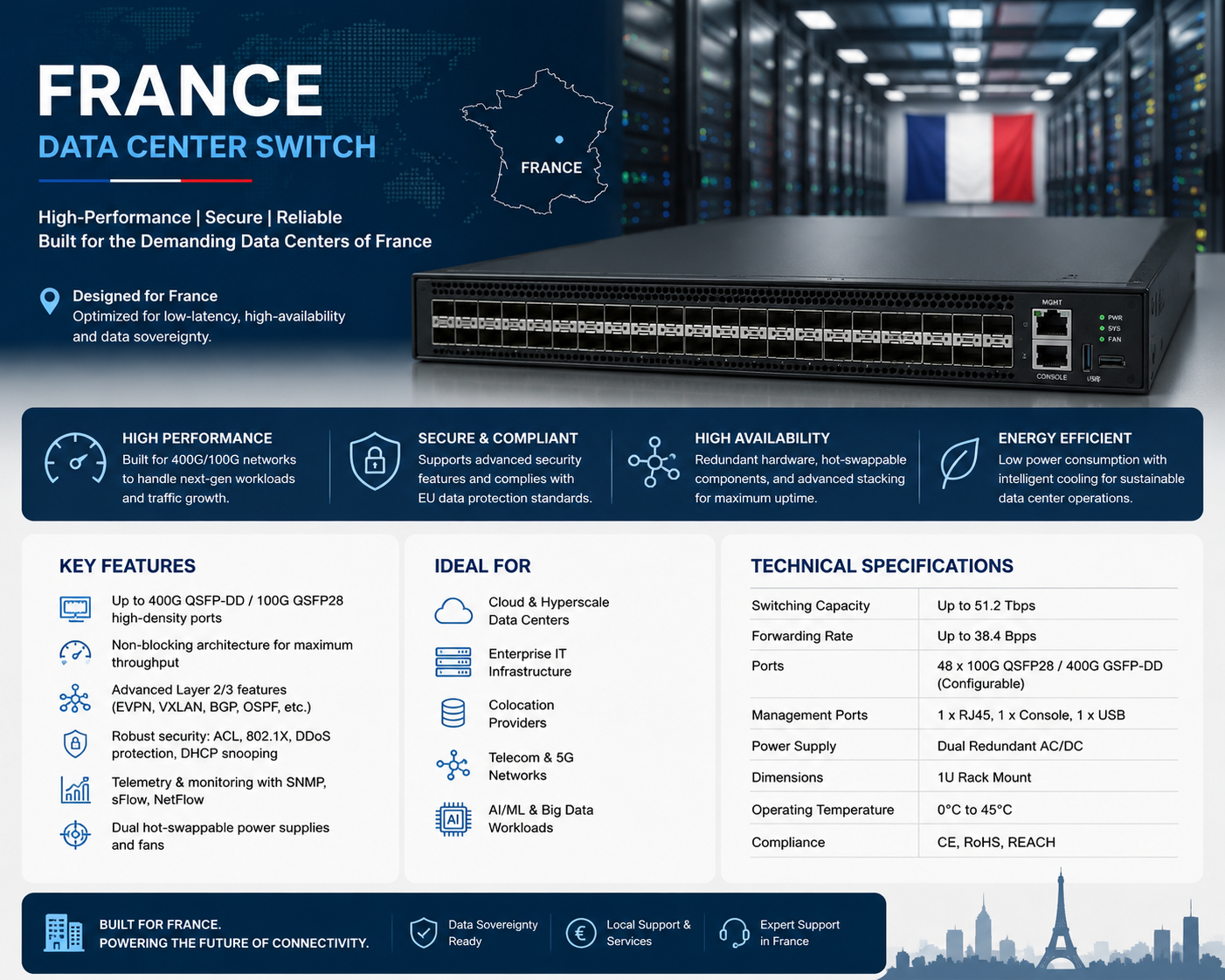
The rapid deployment of fifth-generation mobile networks and the structural expansion of edge computing nodes across major French metropolitan zones have transformed how commercial data is processed, stored, and routed. Telecom operators and independent infrastructure developers are establishing smaller, localized facilities closer to end-users to reduce latency for autonomous systems, smart...
The global Solar Control Glass Market is gaining significant traction as industries and governments increasingly focus on energy efficiency and sustainable building solutions. Solar control glass is designed to reduce heat transmission from sunlight while maintaining high levels of natural light inside buildings. This specialized glass helps regulate indoor temperatures, reduces energy...
In the latest report from Emergen Research, the market research report discusses the global Capacity Management market in depth, and each of the major market segments is examined in depth. In addition to market information, the report provides industry statistics, regional market revenue shares, gross profits, production & distribution costs, and product portfolios related to the global...
Skin elasticity naturally decreases with age as collagen and elastin production changes. This can make the skin appear less firm, thinner, or more prone to fine lines and wrinkles. People considering Morpheus8 in Dubai often want to know whether the treatment can improve skin elasticity over time. Morpheus8 combines microneedling with radiofrequency energy to create controlled stimulation...

