Why Would a Doctor Order an Albumin Blood Test? Common Reasons Explained
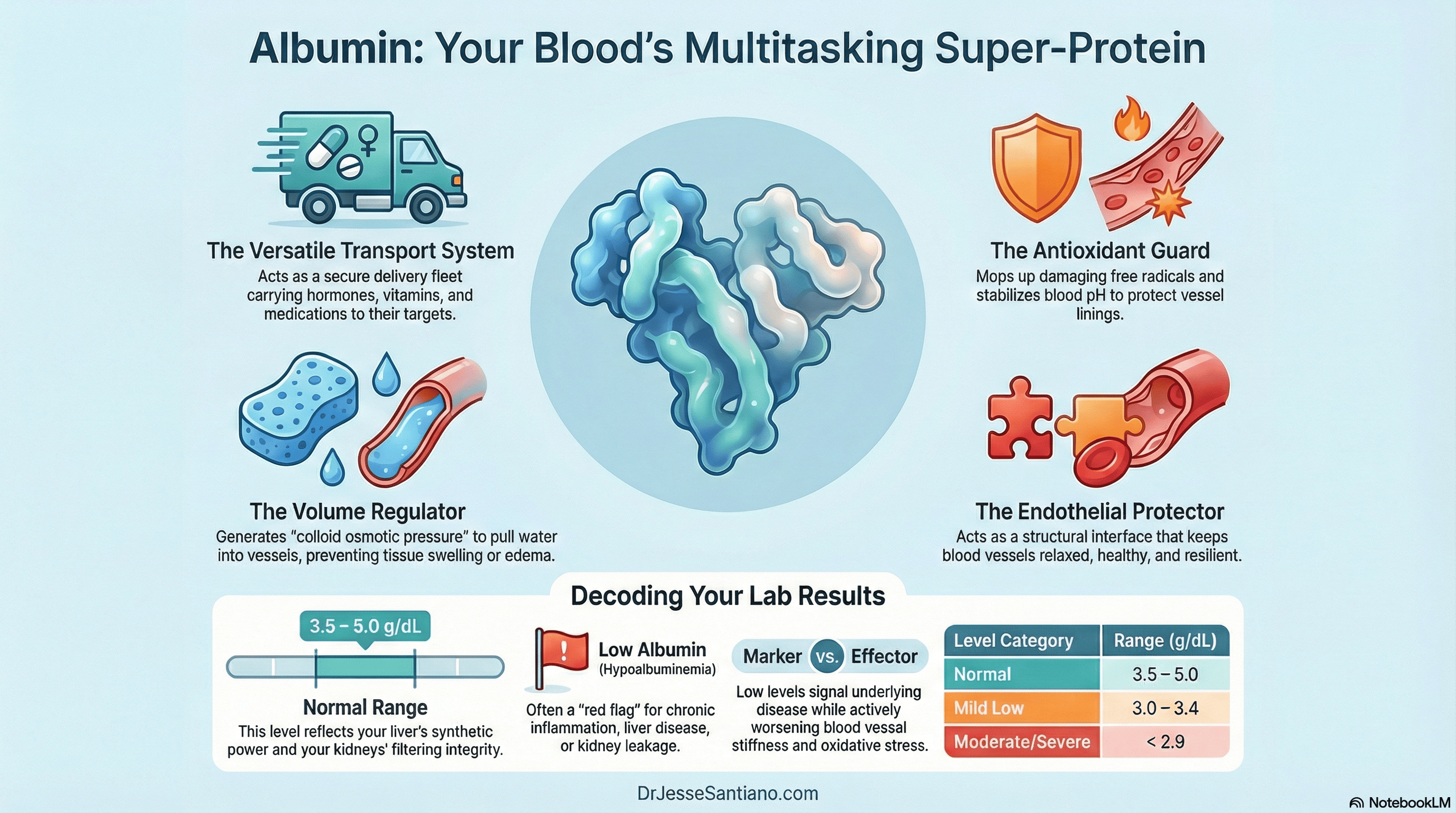
If your doctor has ordered an Albumin Blood Test in Dubai, you may wonder why this particular protein is important enough to check. Albumin is one of the most abundant proteins in your blood, and its level can provide useful clues about fluid balance, liver function, kidney-related protein loss, nutrition, and certain chronic health conditions.
An albumin test is often included with other blood tests rather than used on its own. Your doctor may recommend it because of specific symptoms, an existing medical condition, an abnormal laboratory result, or the need to monitor your health over time.
Understanding the common reasons for albumin testing can help you make sense of why it appears on your laboratory order.
The Main Question Your Doctor Is Trying to Answer:
An albumin blood test measures the concentration of albumin in the serum, the liquid portion of blood after clotting factors have been removed.
Albumin is produced mainly by the liver. It helps maintain the movement of fluid between blood vessels and surrounding tissues and transports several substances through the bloodstream, including certain hormones, fatty acids, vitamins, and medications.
Because albumin is affected by multiple body systems, doctors may order the test when they want another piece of information about a patient's overall health.
It is important to understand that an albumin result does not diagnose a specific disease by itself. Its meaning depends on the rest of the clinical picture.
To Assess Liver Health:
One of the most common reasons for checking albumin is to contribute to an evaluation of liver function.
The liver makes albumin, so significant or chronic impairment of liver function can sometimes lead to reduced albumin production. For this reason, albumin may be included when a doctor is investigating possible liver disease or monitoring an existing liver condition.
Depending on the situation, your doctor may also order:
-
ALT
-
AST
-
Bilirubin
-
Alkaline phosphatase
-
Prothrombin time or INR
-
Total protein
Albumin should not be interpreted as a stand-alone liver function test. Other factors, including inflammation, kidney protein loss, and fluid status, can also affect albumin levels.
To Investigate Swelling or Fluid Retention:
Unexplained swelling, particularly in the legs, ankles, feet, or other parts of the body, may lead a healthcare professional to check albumin.
Albumin helps maintain oncotic pressure, which plays a role in keeping fluid within blood vessels. When albumin levels become significantly low, fluid can move into surrounding tissues and contribute to edema.
However, low albumin is only one possible explanation for swelling. Heart, kidney, liver, medication-related, vascular, and other conditions can also cause fluid retention.
For this reason, your doctor may combine albumin testing with other blood tests, urine tests, physical examination findings, and medical history.
To Evaluate Possible Kidney Problems:
An albumin blood test can also be useful when kidney disease is suspected, although it is important to distinguish it from a urine albumin test.
Healthy kidneys normally prevent large amounts of albumin from passing into urine. Some kidney conditions can cause increased albumin loss through the urine.
Your doctor may therefore order both blood and urine testing, depending on your symptoms and risk factors.
Kidney evaluation may include:
-
Serum creatinine
-
Estimated glomerular filtration rate (eGFR)
-
Urine albumin-to-creatinine ratio (UACR)
-
Urinalysis
-
Blood pressure measurement
A low serum albumin result does not automatically mean that kidney disease is present, and a normal serum albumin level does not rule out every kidney problem.
To Investigate Nutritional Concerns:
Doctors may sometimes check albumin when a patient has concerns related to nutrition, weight loss, appetite, or chronic illness.
Because albumin is a protein, it may seem logical to use its level as a direct measurement of dietary protein intake. However, that interpretation is too simple.
Albumin can be influenced by inflammation, infection, liver function, kidney protein loss, fluid balance, and other medical conditions.
Therefore, albumin should not be used alone to diagnose malnutrition or protein deficiency.
A broader nutritional assessment may include dietary intake, weight changes, appetite, muscle mass, physical findings, and other relevant laboratory or clinical information.
To Look for an Explanation for Abnormal Blood Test Results:
Sometimes an albumin test is ordered because another laboratory result was abnormal.
For example, if total protein is unexpectedly high or low, measuring albumin can help a doctor understand which blood protein component may be contributing to the finding.
Albumin is also considered when interpreting the albumin-to-globulin (A/G) ratio, which compares albumin with globulins.
This can provide additional information when evaluating certain protein abnormalities.
A normal total protein level can sometimes occur alongside a lower albumin level if other proteins, such as globulins, are higher. This is one reason doctors may look at several protein-related measurements together.
To Monitor a Known Medical Condition:
Albumin testing is not limited to diagnosing potential problems. Doctors may also use repeated albumin measurements to monitor an existing condition.
For example, a healthcare professional may periodically review albumin in someone being followed for a chronic liver condition, kidney disorder, significant inflammatory illness, or another health problem where albumin trends are clinically relevant.
A series of results can sometimes be more informative than one isolated number.
Your doctor may compare the current albumin level with previous results to determine whether it has remained stable, increased, or decreased.
Because You Have Symptoms That Need Further Evaluation:
Certain symptoms may prompt a broader group of blood tests that includes albumin.
These can include:
-
Unexplained swelling
-
Persistent fatigue
-
Unintentional weight changes
-
Loss of appetite
-
Symptoms associated with liver or kidney disease
-
Changes in fluid balance
-
Signs of an underlying chronic illness
These symptoms are nonspecific and can have many causes. Ordering an albumin blood test does not mean that your doctor has identified a particular disease.
Instead, the test may be one part of a process used to gather more information.
As Part of a Comprehensive Blood Test Panel:
You may not have been specifically sent to the laboratory because your doctor was concerned about albumin.
Albumin is frequently included in broader laboratory panels, such as a comprehensive metabolic panel (CMP), depending on the testing system and clinical setting.
When multiple blood chemistry measurements are ordered together, doctors can evaluate several aspects of health at the same time.
This can make albumin testing useful even when you do not have symptoms directly related to albumin.
To Investigate Low or High Albumin:
If a previous blood test showed an abnormal albumin level, your doctor may order another test to confirm the finding or monitor its trend.
A low albumin level, known as hypoalbuminemia, can have many possible causes. These include liver dysfunction, kidney protein loss, inflammation, certain gastrointestinal conditions, fluid overload, nutritional problems, and other chronic illnesses.
A high albumin level is less common and is often associated with dehydration or hemoconcentration.
Neither a high nor low result should automatically be interpreted as a specific diagnosis.
What Is a Normal Albumin Blood Test Result?
A commonly used adult serum albumin reference range is approximately 3.5–5.0 g/dL.
However, laboratory reference intervals can vary. Always use the range printed on your own report when reviewing your result.
Your doctor will also consider whether the abnormality is mild or significant, whether it has appeared before, and what your other laboratory results show.
A result outside the reference range does not automatically mean something is seriously wrong.
Does an Albumin Test Require Fasting?
An albumin blood test alone does not always require fasting.
However, albumin may be ordered as part of a larger panel that includes tests with different preparation requirements. If your healthcare provider or laboratory has instructed you to fast, follow those instructions carefully.
Do not deliberately overhydrate or restrict fluids to try to change your albumin result. Unless you have been given specific medical instructions, maintaining your normal hydration routine is generally appropriate.
How Is the Test Performed?
An albumin blood test is a routine venous blood draw.
A healthcare professional usually collects a small blood sample from a vein in your arm. The actual collection typically takes only a few minutes.
You may experience brief discomfort when the needle is inserted, and mild bruising can occasionally occur afterward.
The laboratory then measures the albumin concentration in the blood sample and reports the result along with a reference range.
What Happens If Your Albumin Is Abnormal?
An abnormal result does not necessarily require treatment. The next step depends on why the test was ordered and what the result means in your particular situation.
Your doctor may:
-
Review your symptoms and medical history
-
Check your hydration status
-
Compare the result with previous albumin levels
-
Review liver enzymes and bilirubin
-
Assess kidney function
-
Order urine albumin or protein testing
-
Evaluate nutritional status
-
Repeat the blood test
-
Investigate another underlying condition
Treatment, if needed, is directed at the underlying cause, not simply at the albumin number.
For example, increasing protein intake may not correct low albumin if inflammation, kidney protein loss, or another medical problem is responsible.
Frequently Asked Questions:
Why would a doctor order an albumin blood test?
A doctor may order it to help assess liver health, kidney-related protein loss, fluid balance, nutritional concerns, chronic illness, abnormal blood protein results, or to monitor an existing condition.
Does an albumin test diagnose liver disease?
No. Albumin is one measurement that may contribute to a liver evaluation. Other blood tests, medical history, examination findings, and sometimes imaging are also considered.
Is albumin testing related to kidney disease?
Yes, but serum and urine albumin tests provide different information. Serum albumin measures albumin in the blood, while urine albumin testing looks for albumin loss through the kidneys.
Does low albumin always mean malnutrition?
No. Low albumin can occur because of inflammation, liver dysfunction, kidney protein loss, fluid changes, and other conditions. A complete nutritional assessment is more appropriate for evaluating malnutrition.
Is high albumin dangerous?
A high albumin result is often associated with dehydration rather than excessive protein intake. Its significance depends on the degree of elevation and the rest of your clinical information.
Final Takeaway:
Doctors order an albumin blood Lab tests because albumin provides useful information about several processes in the body. It may be included when evaluating liver health, kidney problems, swelling, nutritional concerns, abnormal blood protein results, chronic illnesses, or when monitoring a known condition.
The test is valuable precisely because albumin is influenced by multiple systems, but that also means an abnormal result cannot be interpreted in isolation.
If your doctor has ordered an albumin test, there is no need to assume that you have a liver or kidney disease. The test may simply be part of a broader evaluation. Once the result is available, your healthcare provider can interpret it using your laboratory's reference range, symptoms, medical history, and related test results to determine what it means for you.
Categories
- Artificial Intelligence (AI)
- Technology
- Business
- Education
- Science
- Lifestyle
- Healthcare
- Entertainment
- Politics
- Environment
- Travel
- Finance
- Automobile
- News
- Art
- Causes
- Crafts
- career
- Dance
- Drinks
- Film
- Fitness
- Food
- Games
- Gardening
- Health
- Home
- Literature
- Music
- Networking
- Other
- Party
- Religion
- Shopping
- Sports
- Theater
- Wellness
Read More
The heavy machinery sector is undergoing a massive shift as material handling requirements become more complex across challenging environments. Rough terrain lift trucks, uniquely engineered to navigate uneven, rocky, muddy, and unpaved landscapes, have emerged as indispensable assets. Unlike standard warehouse forklifts, these heavy duty machines are equipped with robust pneumatic tires, high...

The biodegradable cups market is gaining strong momentum as businesses and consumers actively shift toward eco-friendly alternatives to traditional plastic packaging. With rising environmental awareness, stricter regulations on single-use plastics, and the growing popularity of takeaway beverages, biodegradable cups have become a preferred solution across foodservice, hospitality, and retail...

The UK Chlorhexidine Gluconate Wipes Market is on a robust trajectory, projecting an impressive market size of USD 9.14 million by 2035 from a notable USD 5.19 million in 2024. This indicates a compound annual growth rate (CAGR) of 5.29%, underscoring the increasing consumer focus on hygiene and infection control across various sectors. The growing prevalence of healthcare-associated infections...
The Mycoplasma Testing Market is witnessing strong growth as pharmaceutical and biotechnology companies place greater emphasis on contamination control, product quality, and regulatory compliance. According to Market Research Future, the global market was valued at approximately USD 1.21 billion in 2025 and is projected to reach USD 3.52 billion by 2035, expanding at a CAGR of 10.20%...
Why an IT Business Should Treat a SOC Audit as a Security Exercise For an IT company, soc audit preparation is not simply about producing documents when an assessor asks for them. It is an opportunity to examine whether security controls actually operate as intended across systems, people, policies, and monitoring processes. A useful...