


Anti-Thyroglobulin Test: How Long Do Results Take?

Waiting for a thyroid blood test result can be stressful, especially when you are trying to understand whether an abnormal thyroid finding could be related to an autoimmune condition. If you have been asked to take an Anti-Thyroglobulin Antibodies Test in Dubai, you may want to know how long the test takes, when the laboratory will report the result, and whether you should expect to wait longer than you would for routine thyroid tests.
The good news is that the actual blood collection for an anti-thyroglobulin test is usually brief. The time you spend waiting for the result is mainly determined by laboratory processing and reporting, rather than the blood draw itself.
The anti-thyroglobulin test, also called a thyroglobulin antibody test or TgAb test, detects antibodies directed against thyroglobulin. It can provide useful information when autoimmune thyroid disease is being evaluated, but it does not directly measure thyroid function.
How Long Does an Anti-Thyroglobulin Test Take?
There are two different time periods to consider:
The blood draw: Usually takes only a few minutes.
The laboratory turnaround time: May range from a short period to several days, depending on the laboratory, testing method, location, and whether the sample is processed on-site or sent to another facility.
There is no single turnaround time that applies to every anti-thyroglobulin test.
Some laboratories may report results relatively quickly, while others may need additional processing time. If your sample is sent to a reference laboratory, the result may take longer than a test performed within the same facility.
For the most accurate estimate, ask the laboratory or healthcare provider handling your sample.
The Blood Draw Is Usually the Quickest Part:
The physical procedure for an anti-thyroglobulin blood test is generally straightforward.
A healthcare professional typically:
-
Confirms your details and the requested tests.
-
Cleans the area where the blood will be collected.
-
Uses a needle to collect a blood sample.
-
Removes the needle and applies pressure to the area.
-
Labels the sample for laboratory processing.
The collection itself usually does not take long.
You may experience a brief pinch or mild discomfort when the needle enters the skin. Some people develop a small bruise afterward, but most can return to their normal activities soon after the blood draw unless their healthcare professional provides different instructions.
Why Does the Result Take Longer Than the Blood Draw?
The sample still has to go through several laboratory steps after collection.
The laboratory may need to:
-
Receive and register the sample
-
Prepare it for analysis
-
Run the antibody assay
-
Review quality-control information
-
Validate the result
-
Report the finding through the laboratory system
The anti-thyroglobulin test is not simply a visual check of the blood. It uses a laboratory assay designed to identify thyroglobulin antibodies.
This processing explains why a test that takes only minutes to collect can require considerably longer before the final report is available.
What Determines Anti-Thyroglobulin Test Turnaround Time?
Several practical factors can affect how quickly your result becomes available.
Laboratory Workload:
A busy laboratory may have a longer processing queue than a smaller facility.
Testing Schedule:
Some antibody assays may be performed at scheduled intervals rather than continuously throughout the day.
On-Site or Reference Laboratory:
If your sample is processed at the same laboratory where it was collected, the result may become available sooner. If it must be transported to another laboratory, additional time may be required.
Testing Method:
Different laboratories use different assay systems and procedures. Their processing schedules can therefore vary.
Additional Testing:
If your healthcare professional orders several thyroid tests at the same time, the results may not all become available simultaneously.
For example, TSH and free T4 may be reported separately from a thyroid antibody test depending on the laboratory's workflow.
Can Anti-Thyroglobulin Results Come Back the Same Day?
They can, depending on the laboratory and testing arrangement, but same-day reporting should not be assumed.
Some facilities may offer relatively rapid processing, while others may require more time.
If you need to know whether your specific laboratory provides same-day TgAb results, contact the facility before or after your blood collection.
It is also possible for your TSH result to appear in an online patient portal before your anti-thyroglobulin result. This does not necessarily mean there is a problem with your sample.
Different tests can simply have different laboratory turnaround times.
How Long Does It Take to Get a Complete Thyroid Panel?
A thyroid evaluation may involve several tests rather than TgAb alone.
Common thyroid-related blood tests include:
-
TSH
-
Free T4
-
T3 in selected situations
-
TPO antibodies
-
Thyroglobulin antibodies
These tests answer different questions.
TSH and free T4 help assess current thyroid function.
TgAb and TPO antibodies provide information about possible thyroid autoimmunity.
Because the tests may be processed differently, it is normal for results from the same blood collection to become available at different times.
If you are waiting for several thyroid blood tests, do not assume that the absence of one result means that the others are invalid.
Does the Anti-Thyroglobulin Test Require Special Preparation?
For the anti-thyroglobulin test itself, special preparation such as fasting is generally not required simply because TgAb is being measured.
However, your healthcare professional may order other blood tests at the same appointment that have different preparation requirements.
For example, another test may require fasting or specific instructions.
It is therefore important to follow the instructions given by your healthcare professional or laboratory rather than assuming that all blood tests have identical preparation requirements.
Also tell your healthcare professional about medicines and supplements you take. Do not stop prescribed medication unless you have been specifically instructed to do so.
Does Preparation Affect How Quickly Results Arrive?
Preparation and turnaround time are separate issues.
Whether you fast, for example, generally does not determine how quickly the laboratory processes the anti-thyroglobulin test.
The main factors affecting turnaround time are laboratory workflow, assay availability, sample transportation, and reporting procedures.
Good preparation is still important because following laboratory instructions helps ensure that all requested tests can be performed correctly.
What If Your TgAb Result Is Delayed?
A delayed result does not automatically mean that something is wrong.
There are many routine reasons a laboratory result may take longer than expected.
The sample may be:
-
Waiting for the next testing run
-
Being transported to another laboratory
-
Undergoing routine quality checks
-
Awaiting result verification
-
Part of a group of tests with different reporting schedules
If the expected reporting time has passed, contact the laboratory or healthcare professional who ordered the test.
They can tell you whether the sample has been received, whether testing is still in progress, and when the result is expected.
Why Should You Not Interpret the Waiting Time?
It is understandable to become concerned when a result takes longer than expected. However, turnaround time does not indicate whether the result will be normal or abnormal.
A longer wait does not automatically mean that the antibody level is high.
Similarly, a rapid result does not mean that the result is normal.
Laboratory timing is primarily an operational issue.
Try not to use the amount of time you have waited as a clue about the eventual diagnosis.
What Happens When the Result Is Ready?
Once the anti-thyroglobulin result has been completed, it may be released through a patient portal, printed laboratory report, or directly to the healthcare professional who ordered the test.
The report may identify the result as positive, negative, elevated, or provide a numerical antibody measurement.
You should also see a laboratory-specific reference range or interpretation criteria.
This information matters because different laboratories may use different testing methods, units, and reference intervals.
A TgAb result should therefore be interpreted according to the range provided on your own report.
Does a Fast Result Mean the Test Is More Accurate?
No.
Speed and accuracy are different concepts.
A laboratory can process a test quickly without that meaning the result is less reliable. Likewise, a longer turnaround time does not automatically mean that a result is more accurate.
The quality of a thyroid antibody result depends on the laboratory's testing method, quality-control procedures, and appropriate interpretation.
The most important question is whether the result is meaningful in the context of your clinical situation.
What Does the Anti-Thyroglobulin Result Tell You?
Once you receive the report, remember what the test is designed to measure.
The anti-thyroglobulin test detects thyroglobulin antibodies.
A positive result can provide evidence of thyroid autoimmunity and may be associated with conditions such as Hashimoto's thyroiditis.
However, TgAb does not directly tell you whether your thyroid is currently producing enough hormone.
For that, tests such as TSH and free T4 are important.
This distinction becomes especially useful if you receive a positive TgAb result but feel completely well.
You can have detectable thyroid antibodies while thyroid function remains within the expected range.
Why TSH and Free T4 May Be More Important for Current Function?
Suppose your anti-thyroglobulin result is positive.
The next question is not simply, "How high is the antibody?"
A more useful question is:
How is my thyroid functioning right now?
TSH and free T4 help answer that question.
For example, positive TgAb with normal TSH and free T4 can indicate thyroid autoimmunity without current biochemical hypothyroidism.
On the other hand, positive TgAb together with elevated TSH and low free T4 may support hypothyroidism when the overall clinical picture is consistent.
This is why thyroid antibody testing and thyroid function testing often work together.
How Long Should You Wait Before Asking About Your Result?
There is no universal number of hours or days that every patient should wait.
Your laboratory may provide an expected turnaround time when the sample is collected. That estimate is more useful than a general internet timeline because it reflects the facility's own testing process.
If the stated timeframe has passed and the result is still unavailable, contact the laboratory or ordering healthcare professional.
When asking about the result, you can confirm whether:
-
The sample was received
-
The test has been performed
-
The result has been released
-
Additional processing is required
-
Another thyroid test is still pending
This can provide reassurance without guessing what the delay means.
Can Antibody Results Change While You Wait?
The time between blood collection and receiving the report generally does not mean that your antibody level is continuously changing in the laboratory sample.
The sample is processed under controlled laboratory conditions according to the testing procedure.
More importantly, do not assume that a few extra days of waiting will change the clinical meaning of the test.
The result represents the sample collected at the time of your blood draw.
Should You Repeat the Test Because It Took Too Long?
Usually, a delay by itself is not a reason to repeat an anti-thyroglobulin test.
If the laboratory confirms that the sample was processed successfully, there is generally no reason to assume that the result is unreliable simply because reporting took longer than expected.
A repeat test may be considered for specific clinical reasons, but that decision should come from your healthcare professional.
If there was a problem with the specimen, such as insufficient sample quality, the laboratory will generally communicate that issue.
What If the TgAb Result Is Abnormal?
Receiving an abnormal or positive result can be concerning, but avoid jumping directly to a diagnosis.
A high or positive TgAb result may indicate thyroid autoimmunity, but it does not automatically mean that you have hypothyroidism or that treatment is required.
Your healthcare professional may interpret it alongside:
-
TSH
-
Free T4
-
TPO antibodies
-
Symptoms
-
Medical history
-
Previous thyroid results
-
Other relevant findings
The laboratory reference range is also important when determining whether your result is considered elevated.
Is Repeat TgAb Testing Usually Needed?
Repeated anti-thyroglobulin testing is not automatically necessary for everyone.
Once thyroid autoimmunity has been identified, monitoring thyroid function with tests such as TSH and free T4 may provide more useful information than repeatedly measuring antibody levels.
There can be specific situations in which repeat antibody testing is appropriate, but the decision depends on the clinical question and whether another result would change management.
What If Your Results Are Normal?
A normal or negative TgAb result can be reassuring, but it does not rule out every thyroid disorder.
Someone can have normal TgAb and still have abnormal thyroid function.
Similarly, thyroid symptoms can have causes unrelated to autoimmune thyroid disease.
If TSH, free T4, or other thyroid findings are abnormal, those results still need appropriate interpretation even when TgAb is negative.
A Simple Timeline to Remember:
Understanding the process can make waiting less confusing:
Blood collection:
The sample is usually collected within a few minutes.
Sample handling:
The laboratory receives, labels, and prepares the specimen.
Antibody analysis:
The laboratory performs the TgAb assay.
Result verification:
The result may undergo laboratory review before release.
Report delivery:
The completed result is released to the patient portal, healthcare professional, or both, depending on the system.
The exact timing of steps two through five varies by laboratory.
Final Takeaway:
The anti-thyroglobulin blood Lab tests itself takes only a few minutes to collect, but the final result can take longer depending on the laboratory's processing schedule.
There is no universal turnaround time for TgAb testing. Some laboratories may report results quickly, while others may need additional time, particularly when samples are sent to a reference laboratory or the antibody assay is performed on a scheduled basis.
A delayed result does not mean that the test is abnormal, and a fast result does not guarantee that it is normal.
Once your result arrives, interpret it using the laboratory's reference range and alongside TSH, free T4, TPO antibodies, symptoms, and medical history. Remember that TgAb provides information about possible thyroid autoimmunity, while TSH and free T4 are more directly useful for understanding current thyroid function.
If your laboratory's expected reporting time has passed, contacting the testing facility or the healthcare professional who ordered the test is the best way to find out when your result will be available.
Categories
- Artificial Intelligence (AI)
- Technology
- Business
- Education
- Science
- Lifestyle
- Healthcare
- Entertainment
- Politics
- Environment
- Travel
- Finance
- Automobile
- News
- Art
- Causes
- Crafts
- career
- Dance
- Drinks
- Film
- Fitness
- Food
- Games
- Gardening
- Health
- Home
- Literature
- Music
- Networking
- Other
- Party
- Religion
- Shopping
- Sports
- Theater
- Wellness
Read More
The Actinic Keratosis Treatment Market is expanding as awareness of sun-related skin damage and the importance of early dermatological intervention increases. WiseGuyReports estimates that the market reached USD 3.81 billion in 2024 and is projected to reach USD 8.0 billion by 2032, representing a reported CAGR of 9.7% from 2025 to 2032. Increasing incidence of actinic keratosis is a central...

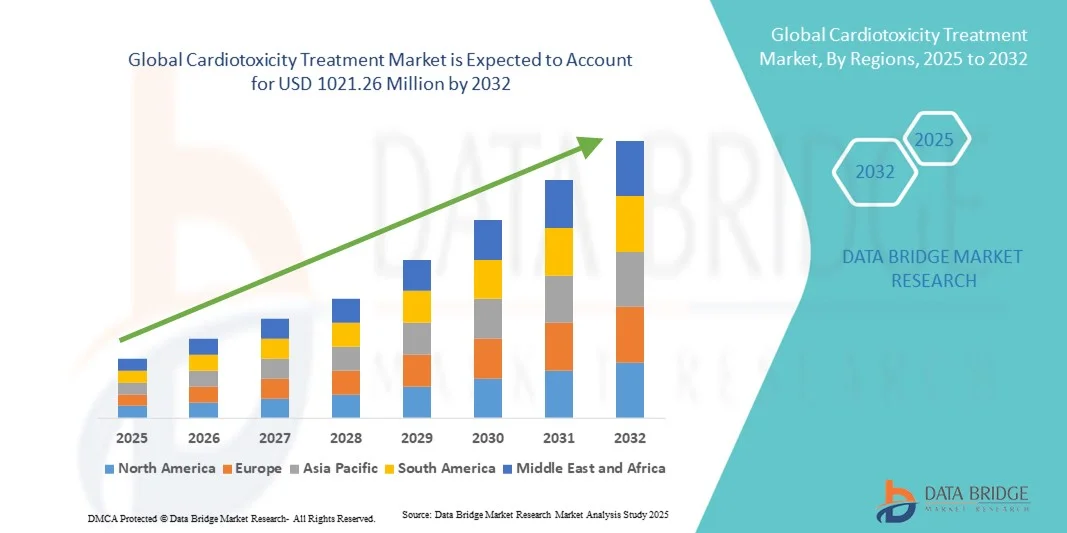
"According to the latest report published by Data Bridge Market Research, the Cardiotoxicity Treatment Market The global cardiotoxicity treatment market size was valued at USD 592.05 Million in 2024 and is expected to reach USD 1021.26 Million by 2032, at a CAGR of 8.10% during the forecast period The large scale Cardiotoxicity Treatment Market report comprises of historic data...
According to the latest report published by Data Bridge Market Research, the Itaconic Acid Market CAGR Value The itaconic acid market is expected to witness market growth at a rate of 4.20% in the forecast period of 2021 to 2028 and is further estimated to reach USD 176.55 million by 2028. A talented team works strictly with their potential capabilities to produce the...

The rapid acceleration of the global digital economy has placed unprecedented demand on data center infrastructure. As the world transitions toward a cloud-first architecture, the need for robust, reliable, and scalable power solutions has become the primary concern for facility operators. Data center power systems encompass a wide array of components, including Uninterruptible Power Supply...
The 3D laser scanner market is evolving rapidly, projected to reach a staggering USD 11.11 billion by 2035, with a compound annual growth rate (CAGR) of 8.60%. This growth is driven by significant technological advancements and the increasing adoption of 3D laser scanning across diverse sectors. The ability to capture precise three-dimensional data has enabled industries such as construction,...
