


Strategic Technical Evaluation and In-Depth Comprehensive Door Access Control Reader Market Analysis
Modern corporate security requires robust technical evaluations of physical security infrastructure, making detailed Door Access Control Reader Market Analysis essential for enterprise IT directors and security managers. Evaluating door hardware requires balancing system longevity, installation complexity, credential security, and daily user throughput. A door reader is no longer just an isolated magnetic or radio-frequency sensor; it is a networked computing unit deployed directly in publicly accessible spaces. Consequently, it must defend against physical violence, weather extremes, and electromagnetic interference while preserving high cryptographic performance. Thorough technical analysis helps identify performance bottlenecks, vulnerabilities in legacy signal protocols, and lifecycle ownership costs across large-scale physical installations.
A rigorous evaluation of door reader technology focuses on the internal radio frequency transceivers and microcontroller architecture that govern communication with employee credentials. Older systems relied on unencrypted 125 kHz low-frequency transponders that broadcast static identification tokens without authenticating the reader. Attackers can clone these credentials using inexpensive, widely available handheld devices. In contrast, modern readers operate across high-frequency 13.56 MHz spectra, utilizing sophisticated smart card standards such as MIFARE DESFire EV3, Seos, and ISO 14443. These protocols employ AES-128 or AES-256 bit encryption and mutual challenge-response handshakes to validate that both the card and the reader are authentic components of the authorized security network. This handshake prevents replay attacks, token skimming, and rogue hardware spoofing across enterprise perimeters.
Reader-to-controller communication links represent another critical focal point when assessing physical security architectures. Millions of legacy doors worldwide still transmit plain-text card data using the legacy Wiegand protocol. This one-way, unencrypted electrical interface is vulnerable to inline eavesdropping tools, which bad actors can splice behind wall faceplates to harvest employee credential data. To solve this vulnerability, enterprise security teams are migrating to the Open Supervised Device Protocol (OSDP v2), which uses the SIA OSDP Secure Channel standard over RS-485 serial connections. This standard establishes bidirectional, encrypted AES-128 communication sessions between the door reader and the downstream controller. Bidirectional communication allows the system to continuously monitor reader health, execute encrypted remote firmware updates, and activate real-time tamper alarms if a reader is pried from its mounting bracket.
System integrators must also evaluate how well reader hardware withstands diverse physical operational environments. Ingress access points range from temperature-controlled corporate lobbies to dusty manufacturing facilities, outdoor security gates exposed to rain, and coastal loading docks subject to salt fog. Because of this variety, physical durability ratings such as IP65, IP66, and vandal-resistant IK ratings are key hardware selection criteria. Hardware assemblies must feature potted internal electronics, UV-stabilized exterior housings, and optical or mechanical tamper sensors that instantly trigger local alarms and alert monitoring platforms if the device is opened. By balancing cryptographic resilience, secure communications, physical durability, and operational longevity, enterprise decision-makers can build dependable access control networks that safeguard assets for years to come.
Top Trending Reports :
Instrumentation Service Market
Insulated Wire And Cable Market
Integrated Drive System Market
Categories
- Artificial Intelligence (AI)
- Technology
- Business
- Education
- Science
- Lifestyle
- Healthcare
- Entertainment
- Politics
- Environment
- Travel
- Finance
- Automobile
- News
- Art
- Causes
- Crafts
- career
- Dance
- Drinks
- Film
- Fitness
- Food
- Games
- Gardening
- Health
- Home
- Literature
- Music
- Networking
- Other
- Party
- Religion
- Shopping
- Sports
- Theater
- Wellness
Read More
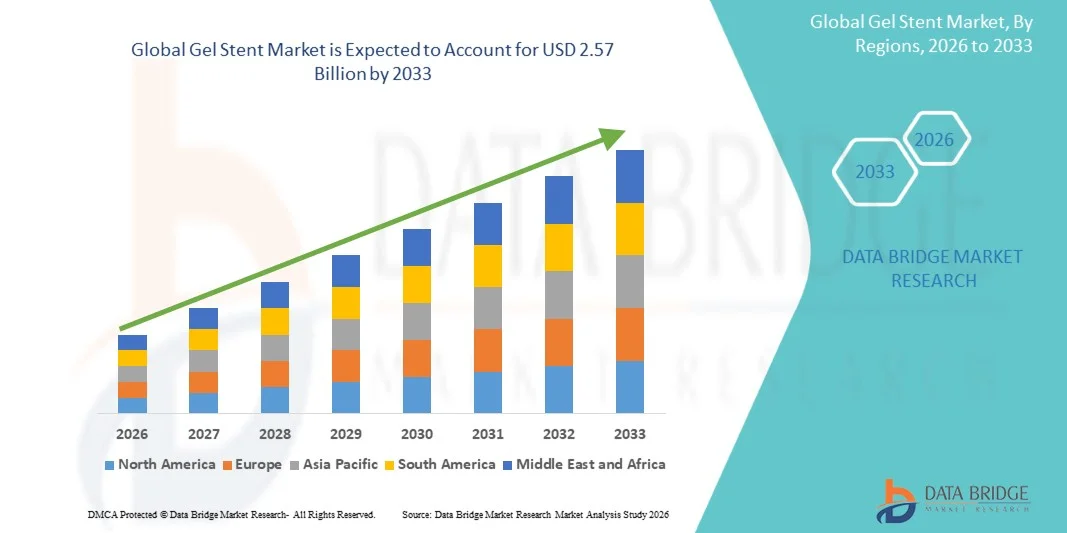
According to the latest report published by Data Bridge Market Research, the Gel Stent Market The global gel stent market size was valued at USD 1.60 billion in 2025 and is expected to reach USD 2.57 billion by 2033, at a CAGR of 6.14% during the forecast period. The persuasive Gel Stent Market report explains market analysis based on regional,...
Invisible Grills in Hyderabad – Spec Services & Enterprises Spec Services & Enterprises is a trusted provider of Invisible Grills in Hyderabad, offering modern safety solutions for residential and commercial properties. With the rapid growth of high-rise apartments and contemporary homes, invisible grills have become an essential safety feature that combines protection with...

Wellness is not a destination—it is a daily practice. Yet modern life works against it: long hours sitting, poor circulation, stress, and fluid retention all take a toll. Lymphatic Massage in Riyadh Lymphatic massage has emerged as a gentle, accessible way to support the body's natural systems and restore a sense of balance. explores how it contributes to body rejuvenation...

Build practical frontend development skills with React JS by learning components, state management, hooks, routing, and modern application development concepts. React JS Training in Chennai helps learners understand how React is used to create responsive and interactive web applications. FITA Academy provides structured learning that can support beginners and professionals in developing...

In clinical environments, single-use examination and surgical gloves are fundamental tools for maintaining sterile conditions. Over the past decade, regulatory updates and clinical safety guidelines have significantly altered how manufacturers formulate protective hand wear. Modern healthcare facilities prioritize products that reduce skin irritation, prevent allergic reactions, and offer...

