


Blood Film Consultation: How It Helps Investigate Unusual Blood Results
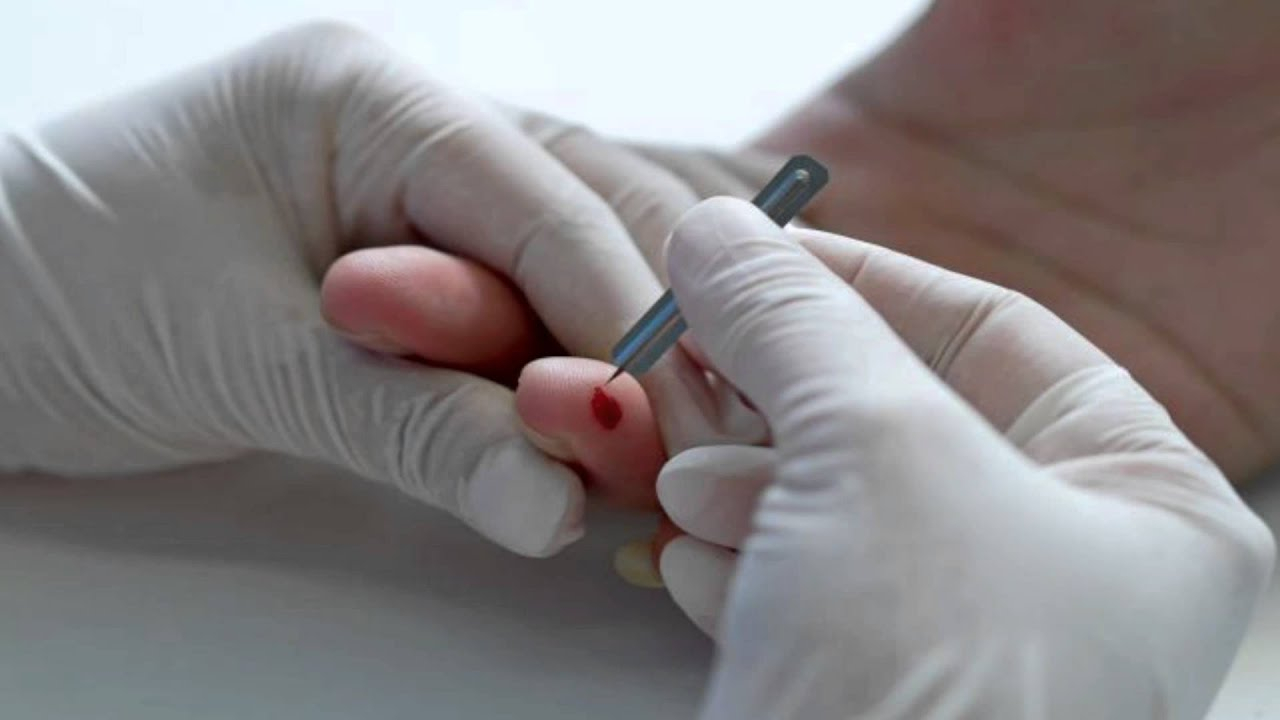
An unusual blood test result can raise questions that a standard laboratory report does not always answer. A Blood Film Consultation in Dubai can provide another level of information by allowing healthcare professionals to examine blood cells directly under a microscope.
A complete blood count, commonly called a CBC, measures important features such as hemoglobin, red blood cell count, white blood cell count, and platelet count. A blood film, also known as a peripheral blood smear, adds visual information by showing the size, shape, color, maturity, and distribution of individual blood cells.
This additional perspective can help investigate unexplained anemia, unusual white blood cell results, unexpected platelet counts, suspected infections, and possible blood or bone marrow disorders.
An abnormal result does not automatically indicate a serious condition. The significance of a blood film finding depends on the complete clinical picture.
When a Routine Blood Test Raises a Question?
Blood tests are often performed as part of routine health assessments or to investigate symptoms. Sometimes the results are straightforward. In other situations, one or more values may fall outside the expected range.
Examples include:
-
Low hemoglobin
-
High or low white blood cell count
-
Unexpected platelet count
-
Changes in red blood cell indices
-
Unusual results on a previous CBC
-
Persistent abnormalities on repeated testing
An automated analyzer can identify numerical changes, but it may not fully explain why they have occurred.
This is where microscopic examination can add useful information.
What a Blood Film Actually Adds?
A blood film provides a visual assessment known as blood cell morphology.
Instead of asking only, “How many cells are present?” the laboratory can also ask, “What do these cells look like?”
The examination can assess:
-
Red blood cell size
-
Red blood cell shape
-
Red blood cell color
-
White blood cell type and maturity
-
Platelet size and distribution
-
Unusual or atypical cells
-
Immature blood cells
-
Platelet clumping
These observations can help place an unusual CBC result into context.
If the Red Blood Cell Results Are Unusual:
Red blood cells transport oxygen throughout the body. Changes in their number or morphology are commonly investigated when anemia is present.
Low Hemoglobin and Anemia
A low hemoglobin level can have many possible causes. A blood film may help characterize the red blood cells by showing whether they appear smaller, larger, paler, or unusually shaped.
Small red blood cells are described as microcytic, while larger cells are described as macrocytic.
A smear may also reveal variation in cell size, known as anisocytosis, or variation in shape, called poikilocytosis.
These findings can help guide further investigation but do not independently establish the cause of anemia.
Why Red Cell Appearance Matters
Suppose a CBC shows anemia. The blood film may show predominantly small, pale red blood cells. This pattern can support consideration of iron deficiency or other causes of reduced hemoglobin production.
If the cells are unusually large, vitamin B12 or folate deficiency may be considered among other possibilities.
Additional tests, such as iron studies, vitamin B12, folate, or a reticulocyte count, may then be considered depending on the clinical situation.
If White Blood Cell Results Are Unexpected:
White blood cells form an important part of the immune system. The CBC provides their total number and often gives a differential count showing the proportions of different white blood cell types.
A blood film provides another perspective.
The laboratory may examine:
-
Neutrophils
-
Lymphocytes
-
Monocytes
-
Eosinophils
-
Basophils
The examiner may also assess cell maturity and whether unusual morphological features are present.
High White Blood Cell Counts:
An elevated white blood cell count can occur in several situations, including infections, inflammation, physiological stress, medication effects, and certain blood disorders.
A blood film may help determine which types of white blood cells are contributing to the increase and whether their appearance is consistent with a reactive process or requires further investigation.
Low White Blood Cell Counts:
A low white blood cell count may also have multiple causes.
Microscopic examination can provide additional information about the cells that are present and may help determine whether unusual or immature forms are visible.
Atypical or Immature Cells:
Some infections and immune responses can cause white blood cells to look different from their usual appearance.
Immature cells may also appear in certain circumstances.
The presence of unusual or immature cells does not automatically mean leukemia. If the findings are concerning, additional investigations may be required to identify their nature and clinical significance.
When the Platelet Count Does Not Make Sense?
Platelets are essential for normal blood clotting. An automated blood count provides a platelet number, but the blood film can show additional details.
Unexpectedly Low Platelets:
A low platelet count can have numerous explanations. A blood film may help determine whether platelets appear appropriately distributed or whether they are clumping together in the sample.
Platelet clumping can interfere with automated counting and may sometimes produce a falsely low reported platelet count.
Large Platelets:
Some blood films show unusually large platelets. This can occur in different clinical circumstances and may provide useful information when considered alongside the platelet count and medical history.
Again, the microscopic finding is interpreted as part of the overall laboratory picture.
Blood Film Findings That May Suggest Infection:
Certain infections can influence blood cell numbers and appearance.
For example, an infection may cause changes in white blood cell counts or produce morphological changes in particular cell types.
A peripheral blood smear can therefore contribute to an infection investigation when interpreted alongside symptoms and other laboratory results.
However, a blood film is not a universal infection test. Depending on the suspected infection, targeted laboratory testing may be necessary.
When Several Blood Cell Types Are Abnormal?
An unusual result becomes more significant when abnormalities involve more than one blood cell line.
For example, a patient may have:
-
Anemia with abnormal red cell morphology
-
Reduced platelets and unusual platelet appearance
-
Abnormal white blood cells together with anemia
-
Changes involving red cells, white cells, and platelets
When multiple cell populations are affected, healthcare professionals may consider whether a broader process is influencing blood cell production or survival.
Possible explanations include nutritional deficiencies, infections, systemic conditions, medication effects, and disorders involving the bone marrow.
The pattern of abnormalities is often more informative than an isolated finding.
How the Blood Film Fits Into the Diagnostic Process?
A blood film is usually one part of a larger investigation.
The process may look something like this:
Step 1: Identify the Unusual Blood Result
The CBC or another blood test identifies a numerical abnormality.
Step 2: Review the Clinical Context
The healthcare professional considers symptoms, medical history, medications, age, and previous laboratory results.
Step 3: Examine the Blood Film
The peripheral smear is reviewed for cell morphology and other features that could help explain the abnormal result.
Step 4: Compare Microscopic and Automated Findings
The blood film findings are compared with the CBC and differential count.
Step 5: Decide Whether Additional Testing Is Needed
Depending on the findings, further laboratory or hematology investigations may be recommended.
This approach prevents a single abnormal measurement from being interpreted without context.
What Additional Tests May Follow?
A blood film can help guide the next investigation, but the appropriate follow-up depends on the findings.
Potential tests include:
-
Repeat CBC
-
Repeat peripheral smear
-
Reticulocyte count
-
Iron studies
-
Vitamin B12 and folate testing
-
Infection-related testing
-
Hemolysis-related investigations
-
Specialized hematology testing
-
Flow cytometry or immunophenotyping
-
Genetic or molecular testing
-
Bone marrow examination in selected circumstances
Not everyone with an abnormal blood film requires all of these tests.
Does an Unusual Blood Result Mean Cancer?
An abnormal blood result alone does not mean that cancer is present.
Many common conditions can alter blood counts or cell appearance, including infections, nutritional deficiencies, inflammation, medications, and temporary physiological changes.
Some blood film findings can raise concern about a hematological disorder, but additional testing is generally needed before a specific diagnosis can be established.
This is especially important when discussing conditions such as leukemia. A blood film may identify abnormal or immature cells that warrant further evaluation, but it should not be treated as a standalone confirmation of leukemia.
Understanding Common Blood Film Terminology:
Blood film reports can contain unfamiliar terms.
Microcytosis refers to smaller-than-expected red blood cells.
Macrocytosis describes larger-than-expected red blood cells.
Hypochromia means red blood cells appear relatively pale because of reduced hemoglobin content.
Anisocytosis indicates variation in red blood cell size.
Poikilocytosis describes variation in red blood cell shape.
Atypical lymphocytes are lymphocytes with an appearance that differs from typical circulating cells.
Platelet clumping means platelets have grouped together within the blood sample.
These terms describe laboratory observations rather than automatically identifying a disease.
Why Previous Results Matter?
A single unusual blood result can sometimes be temporary.
Comparing current findings with previous CBCs and blood films can help healthcare professionals determine whether an abnormality is new, persistent, improving, or recurring.
This is one reason it is useful to consider trends rather than focusing exclusively on one laboratory report.
What Patients Can Expect From a Blood Film Consultation?
The blood collection itself is usually similar to a standard blood test. A sample is collected and sent to the laboratory, where a thin blood smear is prepared and stained for microscopic examination.
Patients generally do not feel the microscopic examination because it occurs in the laboratory rather than during the blood draw.
If additional testing is needed, the healthcare professional can explain why it has been recommended and what information it is intended to provide.
Frequently Asked Questions:
Why would a doctor order a blood film after a CBC?
A blood film may be requested when the CBC shows an unusual result that would benefit from direct microscopic examination of the blood cells.
Can a blood film explain anemia?
It can provide information about red blood cell size, shape, color, and other morphological characteristics that may help investigate anemia.
Can a blood film detect infection?
It can show blood cell changes associated with certain infections, but it is not a general test for every infection.
What if the blood film is abnormal?
An abnormal result should be interpreted alongside the CBC, symptoms, medical history, and other laboratory findings. Some abnormalities may require no immediate action, while others may prompt additional testing.
Is a blood film the same as a CBC?
No. A CBC primarily provides numerical information, while a blood film provides microscopic information about blood cell morphology. The tests complement each other.
The Value of Looking Beyond the Numbers:
An unusual blood result can be difficult to interpret when viewed as a single number. A Blood Film Consultation Lab tests adds important visual information by allowing red blood cells, white blood cells, and platelets to be examined directly.
This microscopic assessment can help characterize anemia, clarify unexpected white blood cell findings, investigate platelet abnormalities, and identify patterns that may warrant further hematological evaluation.
The key point is that a blood film finding is not automatically a diagnosis. Its meaning comes from combining peripheral blood smear findings, CBC results, symptoms, medical history, and appropriate follow-up testing.
By looking beyond the numbers, healthcare professionals can gain a more complete picture of blood cell health and make better-informed decisions about what, if anything, should be investigated next.
Categories
- Artificial Intelligence (AI)
- Technology
- Business
- Education
- Science
- Lifestyle
- Healthcare
- Entertainment
- Politics
- Environment
- Travel
- Finance
- Automobile
- News
- Art
- Causes
- Crafts
- career
- Dance
- Drinks
- Film
- Fitness
- Food
- Games
- Gardening
- Health
- Home
- Literature
- Music
- Networking
- Other
- Party
- Religion
- Shopping
- Sports
- Theater
- Wellness
Read More
"According to the latest report published by Data Bridge Market Research, the Tay-Sachs Disease Treatment Market The global Tay-Sachs disease treatment market size was valued at USD 2.47 billion in 2024 and is expected to reach USD 3.82 billion by 2032, at a CAGR of 5.6% during the forecast period Market insights provided in the most excellent Tay-Sachs Disease Treatment Market...

Psychedelic Therapy for Depression & Anxiety | Ketamine Therapy near Me - Better U: Looking for “ketamine therapy near me?" We provide online psychedelic therapy for anxiety and at-home ketamine therapy for depression. Start your healing with support from experienced clinicians. Learn More: Address: 7060 Hollywood Blvd. #520 Los Angeles, CABusiness Name: Better U - Ketamine...

The Paper Straw industry plays a significant role in promoting sustainable alternatives to traditional single-use plastic products. These straws are increasingly being adopted by restaurants, cafes, hotels, and foodservice businesses seeking to reduce their environmental footprint and meet evolving sustainability requirements. The increasing awareness of plastic waste and changing consumer...

Stylish Flooring Ideas for Modern Living Spaces Creating a comfortable and visually appealing home often begins with the smaller design choices that bring warmth and personality into a room. Furniture and wall colors may establish the foundation of an interior, but soft furnishings and decorative textures are what truly complete the atmosphere. Thoughtful styling helps a space feel balanced,...

The global artificial nails market is witnessing remarkable growth as digital beauty platforms and AI-driven customization transform the way consumers discover, personalize, and purchase artificial nails. According to Market Research Future analysis, the Artificial Nails Market Size was estimated at 1.64 USD Billion in 2024 and is projected to reach 1.721 USD Billion in 2025. By 2035, the...
