How to Maintain Your Results After Liposuction

Liposuction can reshape specific areas by removing excess fat cells, but it does not prevent future changes in your body. After Liposuction in Riyadh, maintaining a stable weight and adopting healthy habits can help preserve the contours created during treatment. Understanding what supports long-term results allows you to approach recovery with realistic expectations and make lifestyle choices that complement your procedure.
Maintain a Stable Weight
One of the most important ways to protect your results is to avoid significant weight fluctuations. Liposuction reduces the number of fat cells in targeted areas, but remaining fat cells can still enlarge when you gain weight. After Liposuction in Riyadh, keeping your weight relatively stable can help the treated areas maintain their improved proportions and definition over time.
Avoid Rapid Weight Changes
Repeated cycles of gaining and losing weight can change your body contours and affect the appearance of treated areas. Rather than following extreme diets or making sudden lifestyle changes, focus on sustainable habits that you can continue long term. Consistency is generally more practical for maintaining your results.
Follow a Balanced Eating Pattern
Nutrition plays an important role in maintaining a healthy body composition after recovery. Build meals around nutrient-dense foods such as vegetables, fruits, whole grains, lean protein sources, and appropriate amounts of healthy fats. Limiting excessive intake of highly processed foods and added sugars can also make it easier to maintain a stable weight.
Prioritize Protein and Fiber
Protein can help support muscle maintenance, while fiber-rich foods can contribute to fullness and digestive health. Including a combination of these nutrients in regular meals can make balanced eating easier and reduce reliance on frequent snacking or highly processed foods.
Stay Physically Active
Once your surgeon has cleared you to exercise, regular physical activity can support overall fitness and help maintain body composition. Your exercise routine can include a combination of cardiovascular activities and strength training, depending on your health, fitness level, and medical guidance. Start gradually after recovery rather than returning immediately to intense workouts.
Build a Sustainable Exercise Routine
The most useful exercise routine is one you can maintain consistently. Walking, cycling, swimming, resistance exercises, or other suitable activities can become part of a long-term routine once your healthcare provider confirms they are appropriate. Gradually increasing activity can help your body adapt without unnecessary strain.
Give Your Body Time to Heal
Maintaining results starts with allowing your body to recover properly. Swelling, bruising, tenderness, and temporary changes in skin firmness can occur after liposuction. Trying to accelerate the recovery process by exercising too intensely or ignoring postoperative instructions may interfere with healing. Follow your surgeon’s recommendations regarding activity, compression garments, wound care, and follow-up visits.
Stay Hydrated
Adequate hydration supports normal bodily functions and can make healthy lifestyle habits easier to maintain. Drinking water regularly is a simple part of a balanced routine, particularly when you become more physically active after recovery. Hydration should complement, rather than replace, nutritious meals and appropriate medical aftercare.
Pay Attention to Body Changes
Your body can naturally change over time because of aging, hormonal changes, pregnancy, lifestyle changes, or fluctuations in weight. Liposuction does not stop these processes. Monitoring gradual changes can help you recognize when adjustments to your daily habits may be useful. If you notice an unexpected or concerning change in a treated area, discuss it with your healthcare provider.
Protect Your Skin and Overall Wellness
Although liposuction primarily addresses localized fat, the appearance of the treated area is also influenced by skin quality and overall body composition. Protecting your skin from excessive sun exposure, maintaining good hydration, and following a healthy lifestyle can support its appearance. Your surgeon may also recommend specific skincare or aftercare measures depending on the area treated.
Attend Recommended Follow-Up Appointments
Follow-up appointments give your surgeon an opportunity to monitor healing and evaluate how your contours are developing. These visits can also provide an opportunity to discuss swelling, firmness, asymmetry, activity levels, and any concerns you may have. Continuing appropriate follow-up care can help you understand whether your recovery is progressing as expected.
What Can Affect Long-Term Results?
Several factors can influence the appearance of liposuction results. Significant weight gain can enlarge remaining fat cells, while aging may gradually affect skin elasticity and body composition. Pregnancy can also change abdominal contours and other treated areas. These natural changes do not necessarily mean the procedure has failed; they reflect the fact that liposuction does not prevent future changes throughout the body.
Understand What Liposuction Can and Cannot Do
Liposuction is a body-contouring procedure rather than a substitute for healthy weight management. It is intended to address localized fat deposits and improve body proportions. Maintaining the outcome therefore involves realistic expectations, a stable lifestyle, and appropriate postoperative care.
When to Contact Your Surgeon
Contact your healthcare provider if you experience symptoms that seem unusual or worsen during recovery, such as increasing pain, significant swelling, fever, unusual drainage, breathing difficulties, or other concerning changes. Even after the initial recovery period, professional evaluation is appropriate when a change in the treated area is sudden or unexplained.
Book an Appointment With Royal Clinic Saudia
If you are considering liposuction or want personalized guidance on maintaining your results, Royal Clinic Saudia can help you understand the treatment process, recovery expectations, and appropriate long-term care. Book an appointment to discuss your goals and receive recommendations suited to your individual needs.
FAQs:
Can liposuction results last for many years?
Yes, liposuction can produce long-lasting body-contouring results. Maintaining a stable weight and healthy lifestyle can help preserve the appearance over time.
Can gaining weight affect my liposuction results?
Yes. Although treated fat cells are removed, remaining fat cells can enlarge with weight gain, which may change the contours of the treated area.
When can I start exercising after liposuction?
The timing depends on your procedure and individual recovery. Begin physical activity only according to your surgeon’s instructions, starting gradually and increasing intensity as you are cleared.
Do I need a special diet after liposuction?
There is not necessarily one specific diet required for everyone. A balanced eating pattern with nutritious foods, adequate protein, fiber, and appropriate portions can support healthy weight maintenance after recovery.
Categories
- Artificial Intelligence (AI)
- Technology
- Business
- Education
- Science
- Lifestyle
- Healthcare
- Entertainment
- Politics
- Environment
- Travel
- Finance
- Automobile
- News
- Art
- Causes
- Crafts
- career
- Dance
- Drinks
- Film
- Fitness
- Food
- Games
- Gardening
- Health
- Home
- Literature
- Music
- Networking
- Other
- Party
- Religion
- Shopping
- Sports
- Theater
- Wellness
Read More
The Touch Probe Market is covered by Business Market Insights with 2025 as the base year and 2026–2033 as the forecast period. The retrieved public source material for this batch did not expose all three headline values required for a verified numerical opening, so no market-size figure or CAGR is inferred. Market growth is best understood as the interaction between customer demand,...

The Vegan Dressing Market is emerging as an important niche within the wider plant-based food category, supported by changing meal habits and growing interest in convenient flavor solutions. Dressing products have traditionally been associated with salads, but their role in modern food preparation has expanded significantly. Consumers now use dressings with roasted vegetables, grain bowls,...
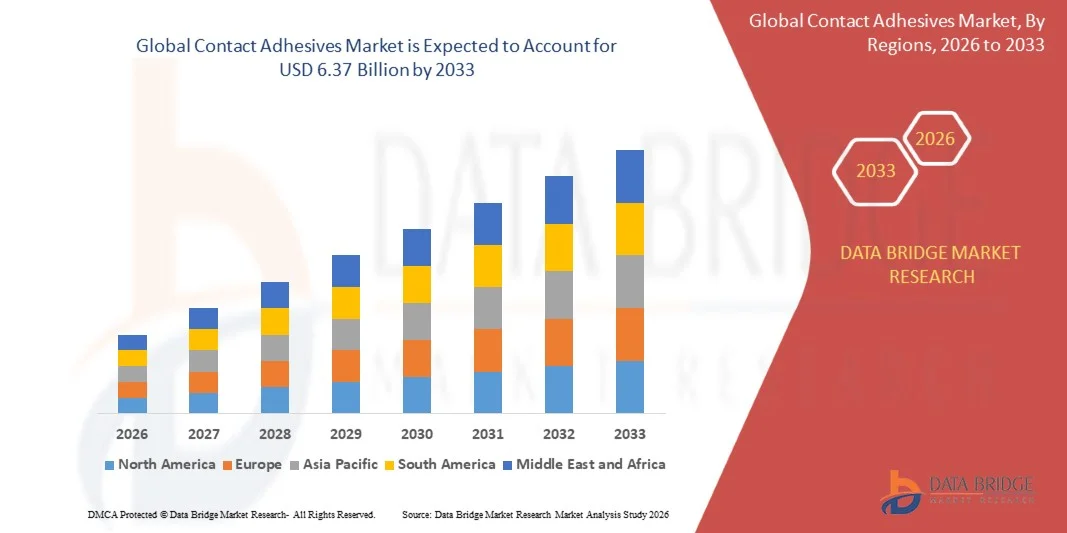
According to the latest report published by Data Bridge Market Research, the Contact Adhesives Market CAGR Value The global contact adhesives market size was valued at USD 4.03 billion in 2025 and is expected to reach USD 6.37 billion by 2033, at a CAGR of 5.90% during the forecast period Contact Adhesives Market analysis report has...
According to the latest report published by Data Bridge Market Research, the Password Based Authentication Market The global password based authentication market size was valued at USD 7.98 billion in 2024 and is expected to reach USD 48.22 billion by 2032, at a CAGR of 25.20% during the forecast period. Market research analysis and data in this...

The global Recruiting Software Market is entering a strong growth phase as organizations increasingly replace manual hiring processes with automated, data-driven talent acquisition platforms. The market was valued at USD 5.3 billion in 2025 and is projected to reach USD 9.8 billion by 2034, expanding at a CAGR of 6.7% during 2025–2034. This growth is being fueled by intensifying...