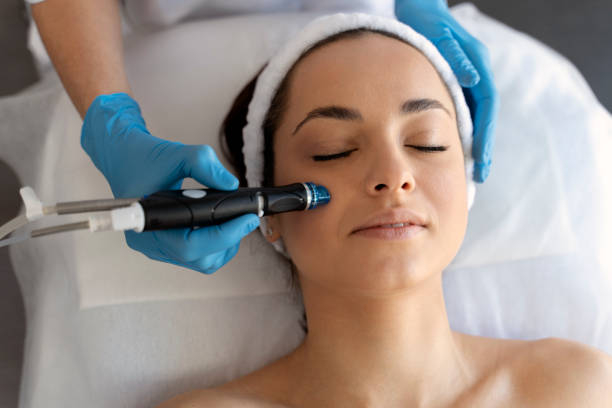
Hydrafacial is gentle, but that does not mean you can approach it carelessly. Hydrafacial in Riyadh What you do before and after treatment directly influences how well your skin tolerates the procedure and how long results last. Certain products, habits, and activities can irritate freshly treated skin, trigger breakouts, or undermine the benefits you paid for. outlines exactly what to avoid—and why each precaution matters.
Why Pre-Treatment and Post-Treatment Care Both Matter
Hydrafacial removes dead cells, clears congestion, and infuses hydrating serums. This leaves skin temporarily more permeable and sensitive.
What you apply beforehand affects how skin responds. What you do afterward determines how well it recovers. Both windows deserve attention.
Avoid Retinoids Before Treatment
Retinoids increase cell turnover and sensitivity. Using them close to your appointment makes skin more reactive to exfoliation.
Pause retinoids at least three to five days before treatment, or longer if your provider advises.
Avoid Strong Acids and Exfoliants
Alpha-hydroxy acids, beta-hydroxy acids, and scrubs strip the surface layer. Using them beforehand leaves skin already sensitized.
Skip these for several days before your appointment.
Avoid Waxing and Hair Removal
Waxing, threading, and depilatory creams create micro-trauma. This increases reactivity during treatment.
Avoid hair removal near the treatment area for at least a week beforehand.
Avoid Sun Exposure and Tanning
Tanned or sunburned skin is more sensitive and heals less predictably. Sun exposure also increases pigmentation risk.
Avoid direct sun and tanning beds for at least a week before treatment.
Avoid New Products Before Your Session
Introducing new skincare close to your appointment creates unpredictable variables. If a reaction occurs, you cannot identify the cause.
Stick to your usual routine and avoid experimentation.
Avoid Alcohol and Blood-Thinning Substances
Alcohol and certain medications increase bleeding and sensitivity. Some supplements have similar effects.
Follow your provider's guidance on what to pause and for how long.
What to Avoid Immediately After Treatment
Keep your routine minimal on treatment day. Avoid makeup if possible, allowing skin to settle.
Skip active ingredients entirely. No retinoids, acids, or exfoliants for several days.
Avoid Harsh Cleansing
Use lukewarm water and a gentle, fragrance-free cleanser. Hot water strips the barrier and increases sensitivity.
Avoid cleansing brushes, scrubs, and anything abrasive.
Avoid Heat and Steam
Saunas, steam rooms, hot showers, and hot yoga increase blood flow and may worsen redness.
Avoid these for at least twenty-four to forty-eight hours after treatment.
Avoid Strenuous Exercise
Intense workouts raise body temperature and increase circulation to the face. This can aggravate freshly treated skin.
Light activity is generally fine, but vigorous exercise should wait a day or two.
Avoid Sun Exposure After Treatment
Freshly treated skin is highly vulnerable to ultraviolet damage. Sun exposure can trigger pigmentation and undo results.
Apply broad-spectrum sunscreen every morning, even indoors. Reapply during extended outdoor exposure.
Avoid Picking or Peeling Skin
If light flaking occurs, let it shed naturally. Picking causes irritation, scarring, and pigmentation.
Moisturize instead of peeling.
Avoid Alcohol-Based Toners and Astringents
These strip the barrier and worsen sensitivity. Choose hydrating, alcohol-free products during recovery.
Avoid Makeup on Treated Areas Initially
Wait several hours before applying makeup. When you resume, use gentle, non-comedogenic products.
Clean applicators and brushes reduce bacterial risk.
Avoid Over-Exfoliating Between Sessions
Adding scrubs or strong acids between professional treatments defeats the purpose. It damages the barrier and increases sensitivity.
Stick to gentle cleansing and let your provider manage exfoliation.
How Long These Restrictions Last
Most restrictions apply for three to five days after treatment. Sun protection remains essential for weeks.
Your provider will give specific guidance based on your skin and the protocol used.
Preparing Your Skin Properly
Hydrate well before treatment. Arrive with clean skin and disclose all medications, supplements, and recent procedures.
Honest communication ensures your treatment is customized safely.
For those seeking expert guidance and customized aesthetic care, you can book an appointment consultation at the Enfield Royal Riyadh.
FAQs
What should I avoid before Hydrafacial?
Retinoids, strong acids, waxing, sun exposure, and new products.
What should I avoid after treatment?
Harsh actives, heat, strenuous exercise, sun exposure, and picking skin.
When can I wear makeup again?
Ideally wait several hours, or until your provider clears you.
How long should I avoid the sun?
Sun protection is essential throughout recovery; avoid direct exposure for weeks.
Can I exfoliate between sessions?
No, avoid extra exfoliation; let your provider manage it professionally.
Final Thoughts
What you avoid before and after Hydrafacial matters as much as the treatment itself. Pausing active ingredients, protecting your skin from sun and heat, and resisting the urge to pick or over-exfoliate all preserve your results. These precautions are simple but genuinely important. Follow them diligently, and your skin will recover comfortably and look its best.