

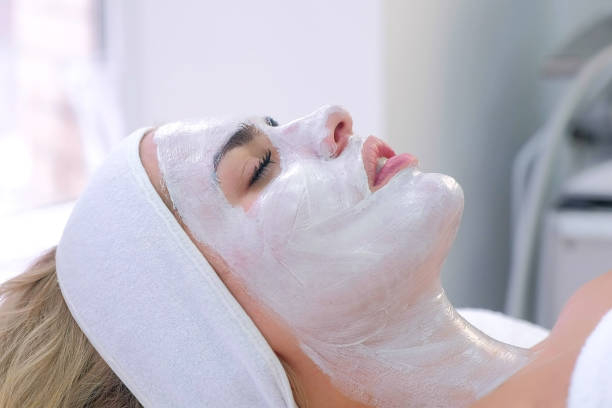
Uneven skin texture can make the complexion look rough, dull, or less refined. Dead skin cell buildup, dryness, sun exposure, aging, and certain skin concerns can all contribute to an irregular surface. A glycolic acid peel provides controlled chemical exfoliation that can help improve the appearance and feel of the skin. Glycolic Acid Peel in Riyadh may be considered for people who want smoother-looking skin while addressing concerns such as dullness and uneven surface texture.
What Causes Uneven Skin Texture?
Healthy skin naturally sheds dead cells, but this process can become less efficient due to aging, environmental exposure, dehydration, and other factors. When dead cells accumulate on the surface, the skin may feel rough and appear less radiant.
Sun exposure can also contribute to changes in texture by affecting collagen and the skin's overall structure. Acne-related marks, enlarged-looking pores, dryness, and fine lines may further contribute to an uneven appearance.
Understanding the reason for the texture concern is important because a glycolic acid peel may be more suitable for some surface-level concerns than others.
How Glycolic Acid Works on the Skin
Glycolic acid belongs to the alpha hydroxy acid family. It works primarily by loosening the bonds between dead skin cells on the surface. This controlled exfoliation allows accumulated cells to shed more effectively.
As the outer layer becomes smoother, the skin may feel softer and appear more polished. The treatment does not physically scrub the skin; instead, it uses the chemical properties of glycolic acid to support the natural exfoliation process.
Removing Surface Buildup
Exfoliating Dead Skin Cells
One of the main ways glycolic acid can improve texture is by helping remove excess dead skin cells. This can reduce the rough or uneven feel associated with surface buildup.
Revealing Fresher-Looking Skin
Once accumulated surface cells are shed, newer skin beneath may become more visible. This can give the complexion a fresher and more luminous appearance.
Supporting Smoother Skin
With appropriate treatment, controlled exfoliation may help create a more even surface. The skin can feel softer to the touch and appear more refined.
Glycolic Acid and Uneven Skin Tone
Texture and tone often influence each other. When the skin has accumulated dead cells or superficial discoloration, the complexion can appear both uneven and dull.
Glycolic acid may help improve the appearance of certain superficial pigmentation concerns while simultaneously exfoliating the surface. This can contribute to a more uniform-looking complexion.
However, not every pigmentation concern responds in the same way. A professional assessment can help determine whether glycolic acid is appropriate for the specific type of discoloration.
Supporting a Brighter Appearance
Dullness can make uneven texture more noticeable. By removing some of the surface buildup that scatters light, exfoliation may help the skin appear brighter and more refreshed.
Glycolic Acid Peel in Riyadh can be incorporated into a personalized skincare plan when the primary concerns involve surface dullness, roughness, or uneven texture. The concentration and application method should be selected according to the individual's skin condition.
Can It Help With Fine Lines?
Fine lines can become more visible when the skin surface is dry or uneven. Improving surface smoothness through controlled exfoliation may make some fine lines appear less noticeable.
However, glycolic acid does not address every cause of wrinkles. Deeper lines and changes related to collagen loss or facial volume may require other approaches. A professional consultation can help distinguish between surface texture concerns and deeper structural changes.
Treatment Process
Before a professional peel, the skin is typically cleansed and prepared. The glycolic acid solution is then applied for a controlled period based on the formulation and treatment plan.
You may notice mild tingling or warmth during application. The product is subsequently removed or neutralized according to the treatment protocol.
The treatment is designed to provide controlled exfoliation rather than excessive irritation. The exact process can vary depending on the concentration used and the condition being treated.
What Happens After the Peel?
Some people experience temporary redness, dryness, tightness, or mild peeling after treatment. The degree of reaction varies from person to person and depends partly on the strength of the peel.
It is important not to pick or manually remove peeling skin. Gentle skincare and appropriate moisturization can help support the skin while it recovers.
Sun protection is also particularly important following exfoliation. Your provider may recommend temporarily avoiding certain active ingredients or exfoliating products until the skin has recovered.
Who May Benefit From This Treatment?
A glycolic acid peel may be considered for people with:
- Rough or uneven surface texture
- Dull-looking skin
- Mild superficial pigmentation
- Dry or flaky surface buildup
- Certain fine lines
- A desire for a smoother-looking complexion
Not everyone is a suitable candidate. Active irritation, compromised skin, certain inflammatory conditions, and recent cosmetic procedures may affect treatment suitability.
Why Professional Assessment Matters
The strength and frequency of chemical exfoliation should be appropriate for the individual's skin. Using an overly strong peel or treating the skin too frequently can cause irritation and compromise the skin barrier.
A qualified professional can assess your skin type, current condition, skincare routine, and treatment goals before recommending an appropriate approach. Glycolic Acid Peel in Riyadh should be tailored to the individual's needs rather than using a standardized treatment for everyone.
Maintaining Smoother-Looking Skin
A professional peel can be supported by a consistent skincare routine. Gentle cleansing, regular moisturization, and daily sun protection can help maintain the skin's appearance.
Avoiding excessive physical scrubbing and combining too many exfoliating products can also help protect the skin barrier. Your provider can recommend an appropriate routine based on your skin's response.
Book Your Appointment at Royal Clinic Saudia
If roughness, dullness, or uneven texture is affecting your complexion, a professional consultation can help determine whether a glycolic acid peel is suitable for you. At Royal Clinic Saudia, you can discuss your skin concerns and receive guidance tailored to your skin type and goals. Glycolic Acid Peel in Riyadh may be incorporated into a personalized plan for smoother and more refined-looking skin.
FAQs:
How does glycolic acid improve skin texture?
It helps loosen and remove accumulated dead skin cells from the surface, which can make the skin feel smoother and appear more refined.
Can a glycolic acid peel help with rough skin?
Yes, controlled exfoliation may help improve the appearance and feel of rough surface skin.
Does glycolic acid help with fine lines?
It may make some superficial fine lines appear less noticeable by improving surface smoothness, but deeper wrinkles may require other treatments.
Can I exfoliate at home after a glycolic acid peel?
Additional exfoliation may need to be avoided temporarily after treatment. Follow your provider's aftercare instructions to reduce the risk of irritation.

