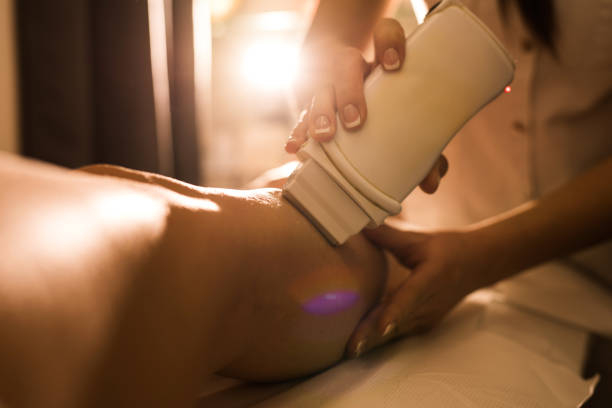
Cold peeling raises plenty of questions for anyone considering it for the first time. Is it painful? Cold Peeling for Face in Riyadh How is it different from a regular facial? Will your skin actually peel? These are reasonable concerns, and clear answers help you decide whether the treatment suits you. addresses the most important questions patients ask.
What Exactly Is Cold Peeling?
Cold peeling is a form of chemical exfoliation performed at lower strengths, without heat activation.
It dissolves the bonds holding dead cells together, allowing them to shed gradually. Unlike aggressive peels, it does not cause dramatic flaking.
Why Is It Called "Cold" Peeling?
The term refers to the absence of heat activation rather than temperature.
Traditional peels sometimes use heat to accelerate penetration. Cold peels act more slowly and predictably, making them gentler.
How Is It Different From a Regular Facial?
A regular facial focuses on cleansing, hydration, and relaxation. Exfoliation is usually gentle and surface-level.
Cold peeling targets dead cell buildup and congestion more directly. It is a treatment rather than a pampering session.
How Is It Different From Strong Chemical Peels?
Strong peels use higher concentrations that penetrate deeply and cause visible shedding.
Cold peeling stays closer to the surface, renewing the outer layer without disrupting the barrier as aggressively.
Does Cold Peeling Hurt?
Most patients describe mild tingling or warmth during application.
Discomfort is minimal. The treatment is designed to be tolerable while still effective.
Will My Skin Actually Peel?
Visible flaking is uncommon with cold peeling. Any shedding is typically light and manageable.
This is one of the main advantages over traditional peels.
What Concerns Does It Address?
Cold peeling improves dullness, rough texture, mild uneven tone, and superficial fine lines.
It also enhances product absorption by removing the barrier of dead cells.
What Concerns Does It Not Address?
It does not eliminate deep wrinkles, significant scarring, or pigmentation disorders.
It also does not replace medical treatment for conditions like rosacea or eczema.
Who Makes a Good Candidate?
Cold peeling suits most skin types, including sensitive skin when formulations are customised.
Consultation determines suitability based on your specific concerns and history.
Who Should Avoid or Postpone Treatment?
Active infections, open wounds, recent laser treatments, and certain medications may require postponement.
Pregnancy and very reactive skin warrant professional assessment.
How Many Sessions Are Needed?
Cold peeling is typically performed as a series. Most patients benefit from several sessions spaced a few weeks apart.
Maintenance treatments preserve results.
How Soon Will I See Results?
Brightness improves after the first session. Texture, tone, and pore appearance develop gradually over the series.
Full results typically emerge after multiple treatments.
What Should I Avoid After Treatment?
Avoid harsh actives, sun exposure, and strenuous activity for a few days.
Hydration and daily sun protection are essential.
For those seeking expert guidance and customised aesthetic care, you can book an appointment consultation at the Enfield Royal Riyadh.
FAQs
What is cold peeling?
A gentle chemical exfoliation treatment that renews skin without intense shedding.
Does cold peeling hurt?
Most patients report mild tingling, not pain.
Will my skin peel?
Visible flaking is uncommon; any shedding is light.
How many sessions are needed?
Most patients benefit from several sessions spaced a few weeks apart.
What should I avoid after treatment?
Avoid harsh actives, sun exposure, and strenuous activity for a few days.
Final Thoughts
Cold peeling offers a gentle, effective approach to skin renewal for suitable candidates. Understanding what it is, what it does, and what to expect helps you decide whether it aligns with your goals. It works gradually, requires consistency, and suits most skin types when properly customised. Knowledge is the first step toward confident treatment decisions.