


Introduction
Electrical systems require reliable protection against faults that can damage equipment, disrupt operations, or create safety hazards. An RCCB breaker is designed to detect residual current and disconnect an electrical circuit when leakage is detected, while other circuit breakers provide protection against conditions such as overloads and short circuits.
Understanding how these devices work can help homeowners, contractors, and businesses make more informed decisions when planning electrical installations. Jawad Electric offers circuit-breaker and low-voltage switchgear solutions for different electrical applications.
What Is an RCCB Breaker?
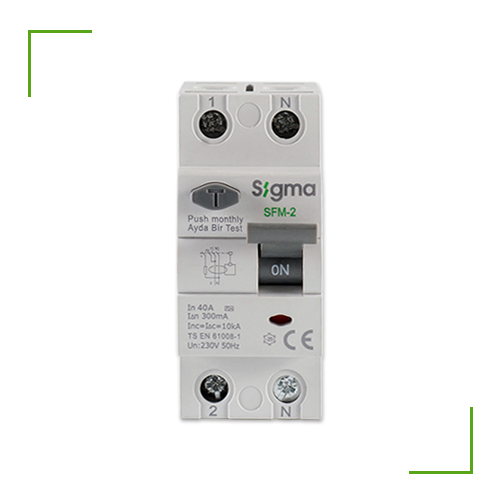
RCCB stands for Residual Current Circuit Breaker. Unlike an MCB, which primarily responds to overloads and short circuits, an RCCB monitors the balance of current flowing through a circuit and can disconnect the supply when it detects a residual or leakage current.
This type of protection is particularly relevant where electrical leakage could create a shock hazard. RCCBs are available in different configurations, including two-pole and four-pole versions, depending on the electrical system.
Why Residual Current Protection Matters
Electrical insulation can deteriorate because of moisture, damaged cables, faulty appliances, or other conditions. If current begins flowing through an unintended path, an RCCB can detect the imbalance and disconnect the circuit.
This makes residual-current protection an important part of a broader electrical safety strategy. However, an RCCB does not replace every other type of circuit protection, so the complete installation should be designed according to the electrical system and applicable requirements.
Understanding Circuit Breakers
Circuit breakers are protective switching devices designed to interrupt electrical current when certain fault conditions occur. Different breakers serve different purposes, which is why selecting the appropriate type is important.
Common types include:
- Miniature Circuit Breakers (MCBs)
- Moulded Case Circuit Breakers (MCCBs)
- Residual Current Circuit Breakers (RCCBs)
- Earth Leakage Circuit Breakers (ELCBs)
- Air Circuit Breakers (ACBs)
Jawad Electric's product range includes MCBs, MCCBs, RCCBs, and ELCBs as part of its broader circuit-protection and low-voltage switchgear offerings.
RCCB vs. MCB
Although both are circuit-protection devices, an RCCB and MCB respond to different electrical problems.
An MCB is generally used to protect circuits from excessive current caused by overloads or short circuits. An RCCB, on the other hand, is designed to identify residual current caused by leakage.
For this reason, electrical installations may use different protective devices together rather than expecting one breaker to handle every possible fault.
Choosing the Right Circuit Breaker
Selecting electrical protection requires more than choosing a breaker based on its appearance or current rating. The electrical load, system configuration, fault level, number of poles, and intended application should all be considered.
Before selecting a breaker, consider:
- The type of electrical system.
- Expected operating current.
- Number of poles required.
- Required protection function.
- Short-circuit conditions.
- Installation environment.
- Compatibility with the existing distribution system.
- Applicable technical standards.
For larger commercial and industrial installations, proper coordination between protective devices can also help isolate faults without unnecessarily interrupting unaffected parts of the system.
Where Circuit Breakers Are Used
Circuit breakers are used across residential, commercial, and industrial electrical systems. Smaller breakers may be suitable for individual circuits, while larger devices can be used in distribution panels and industrial power systems.
The appropriate selection depends on the electrical load and system design. Jawad Electric provides circuit breakers and low-voltage switchgear for residential, commercial, and industrial applications.
Practical Electrical Safety Tips
A properly selected breaker is only one part of electrical safety. Installation and maintenance should also be handled carefully.
Consider these practical measures:
- Use appropriately rated protective devices.
- Have electrical installations inspected by qualified professionals.
- Avoid overloading electrical circuits.
- Replace damaged cables and components promptly.
- Test protective devices according to manufacturer guidance.
- Keep electrical panels accessible and properly maintained.
- Select genuine products from reliable suppliers.
Using the correct equipment and following professional installation practices can support safer and more reliable electrical systems.
Why Consider Jawad Electric?
Jawad Electric provides a range of circuit breakers and low-voltage electrical products, including RCCB, MCB, MCCB, and ELCB solutions. Its published product range also includes contactors, protection relays, current transformers, and other switchgear components.
When selecting an electrical protection solution, customers should consider the specific requirements of their installation and seek appropriate technical guidance rather than choosing a product solely on price.
Frequently Asked Questions
1. What is an RCCB breaker?
An RCCB is a Residual Current Circuit Breaker that detects current imbalance caused by electrical leakage and disconnects the circuit when the residual current reaches its operating threshold.
2. What is the difference between an RCCB and an MCB?
An RCCB primarily provides residual-current or leakage protection, while an MCB is designed mainly for overload and short-circuit protection.
3. What are the common types of circuit breakers?
Common types include MCBs, MCCBs, RCCBs, ELCBs, and ACBs. Each type has different applications and protection characteristics.
4. How should I choose a circuit breaker?
Consider the electrical system, expected load, breaker type, number of poles, fault conditions, installation environment, and applicable technical requirements. Professional electrical guidance is recommended for system-specific selection.
Conclusion
An RCCB breaker plays an important role in residual-current protection, while different circuit breakers provide protection against various electrical faults. Understanding the differences between MCBs, MCCBs, RCCBs, and other protection devices can help users make more informed decisions about electrical installations.
Jawad Electric can be considered when exploring circuit breakers and low-voltage switchgear solutions. Selecting the appropriate equipment, using genuine products, and relying on qualified installation can contribute to a safer and more dependable electrical system.

