


Sanitary Stainless Steel Fittings for Clean and Reliable Piping Systems
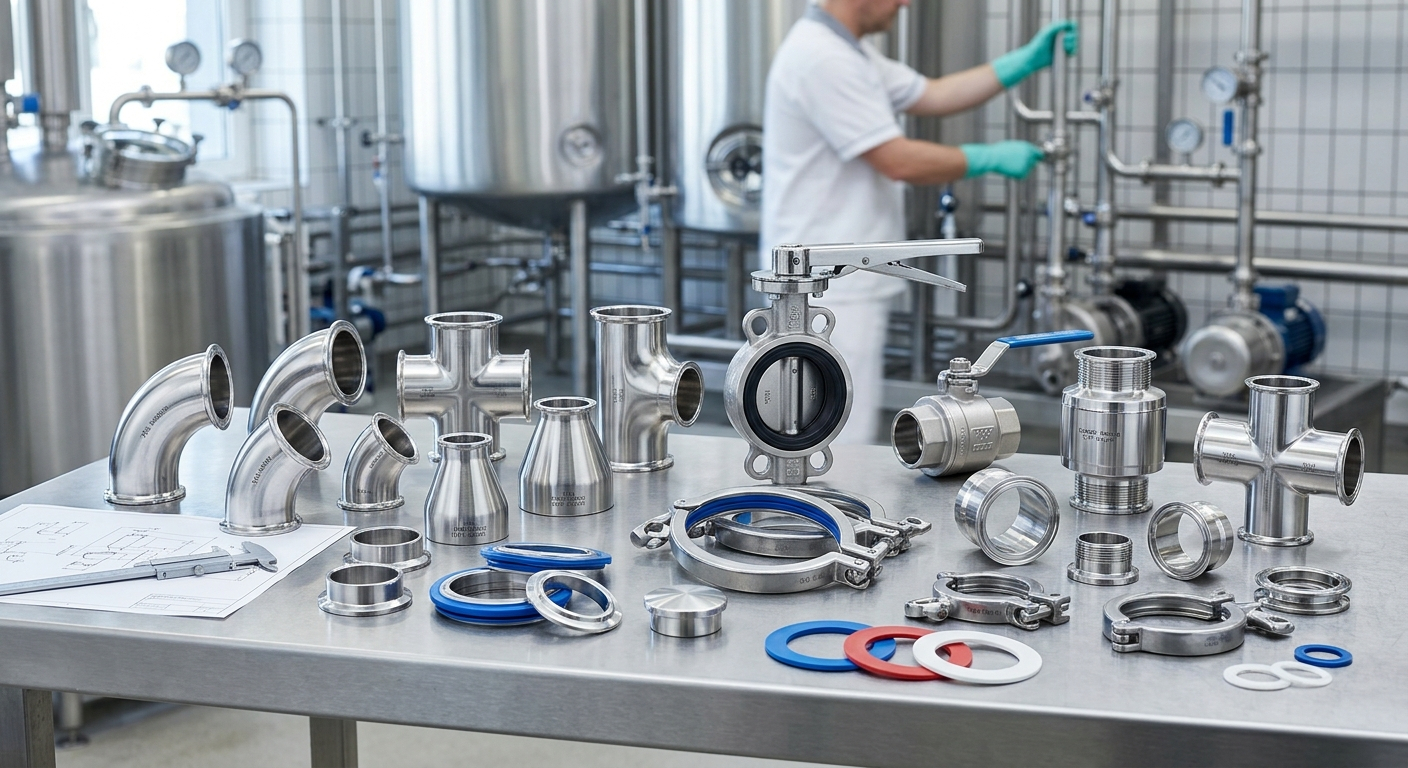
Sanitary stainless steel fittings are an important part of piping systems used in industries where cleanliness, hygiene, and product safety are essential. These fittings help connect pipes, change flow direction, control connections, and create reliable pathways for liquids and other materials. They are commonly used in food processing, beverage production, dairy facilities, pharmaceuticals, cosmetics, and other applications where sanitary conditions are a priority.
Stainless steel is widely preferred for sanitary piping because it offers durability, corrosion resistance, and a smooth surface that is easier to clean. When properly selected and installed, sanitary fittings can support efficient operations while helping businesses maintain strict hygiene standards.
What Are Sanitary Stainless Steel Fittings
Sanitary stainless steel fittings are specially designed pipe components manufactured from stainless steel grades suitable for hygienic applications. Unlike standard industrial fittings, sanitary fittings are designed to minimize areas where bacteria, product residue, or contaminants could collect.
Common types include elbows, tees, reducers, crosses, unions, clamps, caps, and adapters. Each fitting serves a specific purpose within a piping system. For example, elbows allow pipes to change direction, while reducers connect pipes of different diameters.
Many sanitary fittings feature polished internal surfaces. This smooth finish helps reduce friction and makes cleaning more effective. Depending on the application, fittings may also be designed for cleaning-in-place systems, allowing equipment to be cleaned without extensive disassembly.
Why Stainless Steel Is Used in Sanitary Applications
Stainless steel provides several properties that make it suitable for hygienic piping systems. One of the biggest advantages is corrosion resistance. Piping systems may come into contact with water, cleaning chemicals, food products, beverages, or pharmaceutical ingredients. A suitable stainless steel fitting can withstand these conditions better than many conventional materials.
Stainless steel is also strong and durable. Properly manufactured fittings can handle regular use, pressure, temperature changes, and frequent cleaning cycles. This durability can reduce the need for frequent replacement and help maintain reliable piping performance.
Another benefit is its non-porous surface. A smooth stainless steel surface does not easily absorb liquids or contaminants, making it easier to maintain sanitary conditions. This characteristic is particularly valuable in facilities where cleanliness directly affects product quality.
Common Types of Sanitary Fittings
Different piping layouts require different types of fittings. Sanitary elbows are used when a pipe needs to change direction while maintaining a hygienic flow path. They are available in different angles and sizes to suit various system designs.
Sanitary tees allow one pipeline to branch into another. They are commonly used when a process requires multiple flow paths. Reducers are useful when connecting pipes with different diameters, helping create a transition between sections of the system.
Sanitary unions and clamp fittings make installation and maintenance easier because sections of piping can be disconnected when necessary. Caps and end fittings can close unused pipe openings and help protect the system from contamination.
The correct fitting depends on factors such as pipe size, operating pressure, temperature, product characteristics, cleaning requirements, and connection type.
Applications of Sanitary Stainless Steel Fittings
Sanitary stainless steel fittings are used across many industries. In food processing facilities, they can be found in systems transporting milk, sauces, oils, juices, and other food products. Beverage manufacturers also rely on sanitary piping components for water, soft drinks, juices, and other liquid products.
The dairy industry requires particularly hygienic equipment because milk and dairy products can be sensitive to contamination. Stainless steel fittings with appropriate sanitary designs help support clean and efficient processing systems.
Pharmaceutical and biotechnology facilities also use sanitary fittings in process piping. These environments often require strict control over contamination and cleaning procedures. Similarly, cosmetic manufacturers use hygienic piping components when handling creams, lotions, liquids, and other formulations.
Benefits of High-Quality Sanitary Fittings
Quality plays an important role in the performance of a sanitary piping system. Well-made fittings provide reliable connections and can help prevent leaks and unnecessary maintenance problems.
A properly finished internal surface can also make cleaning more effective. This is important for facilities that regularly use cleaning-in-place procedures. Fittings with poor surfaces, unsuitable connections, or manufacturing imperfections may create areas where residue can accumulate.
High-quality stainless steel fittings can also provide long-term value. Although the initial cost may vary depending on material, design, and finish, durable components can reduce replacement and maintenance requirements over time.
Choosing the Right Sanitary Stainless Steel Fittings
Selecting the correct fitting requires more than simply matching pipe sizes. The material grade should be appropriate for the operating environment and the substances being transported. The fitting should also meet the required sanitary design and surface-finish requirements.
Connection style is another important consideration. Clamp connections are popular in many hygienic systems because they can be assembled and disassembled relatively easily. Welded connections may be preferred where a permanent connection is required.
It is also important to consider pressure and temperature conditions. A fitting should be suitable for the demands of the complete system rather than selected based only on appearance or size. Working with a knowledgeable supplier can help ensure that the selected components match the application's technical requirements.
Maintenance and Cleaning
Even high-quality sanitary fittings require proper maintenance. Regular inspection can help identify signs of wear, corrosion, damaged seals, or loose connections before they become larger problems.
Cleaning procedures should be appropriate for the material and application. Facilities may use manual cleaning or automated cleaning-in-place systems depending on the design of the equipment. Using suitable cleaning chemicals and following recommended procedures can help protect the stainless steel surface and maintain hygienic conditions.
Seals and gaskets should also be inspected regularly because they can wear over time. Replacing damaged components promptly helps maintain reliable connections and reduces the risk of leaks or contamination.
Conclusion
Sanitary stainless steel fittings provide an effective solution for hygienic piping systems across food, beverage, dairy, pharmaceutical, cosmetic, and other industries. Their corrosion resistance, durability, smooth surfaces, and sanitary designs make them well suited to environments where cleanliness and product protection are essential.
Choosing the right fittings requires careful consideration of material, size, connection type, operating conditions, cleaning requirements, and application. With suitable components and proper maintenance, a sanitary stainless steel piping system can provide dependable performance and support efficient, hygienic production for many years.
Categories
- Artificial Intelligence (AI)
- Technology
- Business
- Education
- Science
- Lifestyle
- Healthcare
- Entertainment
- Politics
- Environment
- Travel
- Finance
- Automobile
- News
- Art
- Causes
- Crafts
- career
- Dance
- Drinks
- Film
- Fitness
- Food
- Games
- Gardening
- Health
- Home
- Literature
- Music
- Networking
- Other
- Party
- Religion
- Shopping
- Sports
- Theater
- Wellness
Read More
Multi Use Diamond Bur Market is expected to remain connected to the broader expansion of dental treatment and the increasing adoption of professional dental technologies. Multi-use diamond burs provide dental practitioners with rotary instruments designed for applications requiring precision and controlled material removal. The growing popularity of restorative and aesthetic dental procedures...

According to the latest report published by Data Bridge Market Research, the Third-Party Risk Management Market CAGR Value The global third-party risk management market size was valued at USD 7.92 billion in 2024 and is expected to reach USD 30.82 billion by 2032, at a CAGR of 18.50% during the forecast period The universal Third-Party Risk...
Regional dynamics shape the Healthcare Big Data Analytics Market landscape significantly. North America dominates with a $15.98 billion valuation in 2024, driven by advanced healthcare infrastructure and early technology adoption. The United States leads investments in AI-driven analytics and cloud-based health platforms. Europe follows at $8.76 billion, supported by regulatory frameworks...
Breast imaging is a routine part of women's healthcare, and having implants does not change that. Breast Augmentation Surgery in Riyadh What it does change is how imaging is performed, interpreted, and sometimes supplemented. Patients with breast implants need to understand monitoring recommendations, communicate clearly with radiology staff, and recognize that implants require additional...

The rising global cancer burden and increasing demand for advanced cancer treatment solutions are driving the growth of radiation oncology, but the market also faces several challenges. High costs associated with advanced radiation therapy systems, complex installation and maintenance requirements, and limited access to specialized oncology facilities in developing regions can restrict...
