


Lipedema is a chronic condition characterized by an abnormal and often symmetrical accumulation of fatty tissue, particularly around the hips, thighs, legs, and sometimes the arms. It primarily affects women and may become more noticeable during hormonal changes such as puberty, pregnancy, or menopause. Understanding Lipedema in Riyadh can help people recognize unusual changes in their body and seek appropriate professional guidance rather than assuming that persistent fat is simply related to weight gain. Unlike ordinary body fat, lipedema may also be associated with tenderness, heaviness, swelling, and easy bruising.
How Does Lipedema Affect the Body?
Lipedema can affect both physical comfort and body proportions. Fat deposits usually develop symmetrically, meaning both sides of the body are affected in a similar way. The feet are commonly unaffected, creating a visible difference between the lower legs and feet. As the condition progresses, the affected areas may feel heavier and more sensitive. These changes can make daily movement less comfortable and may influence how a person feels about their appearance and physical well-being.
Common Signs of Lipedema
Symmetrical Fat Distribution
One of the most recognizable signs is disproportionate fat accumulation on both sides of the body. The thighs, hips, lower legs, and arms may become noticeably larger while other areas remain comparatively unchanged. This pattern can help distinguish lipedema from general weight gain.
Pain and Tenderness
The affected tissue may feel painful or tender when touched or pressed. Some people also describe aching, sensitivity, or heaviness that becomes more noticeable after prolonged standing or physical activity.
Easy Bruising
People with lipedema may bruise more easily than expected. Bruising can sometimes occur following minor bumps or pressure and may appear repeatedly in areas affected by the condition.
Swelling and Heaviness
A feeling of heaviness or swelling in the legs can develop, particularly as the condition progresses. These symptoms may affect comfort and mobility during everyday activities.
Lipedema and Ordinary Weight Gain
Lipedema is different from ordinary weight gain because of its characteristic distribution and associated symptoms. General weight gain typically affects multiple areas of the body, while lipedema often produces symmetrical enlargement of specific regions. Another important difference is that the affected fat may remain relatively resistant to conventional dieting and exercise. Lipedema in Riyadh should therefore be assessed based on symptoms and body characteristics rather than appearance alone.
What Causes Lipedema?
Hormonal Influences
The exact cause of lipedema remains unclear, but hormonal changes are believed to have an important role. Symptoms may first appear or become more noticeable during puberty, pregnancy, or menopause.
Genetic Factors
Family history may also influence the likelihood of developing lipedema. People with relatives who have similar symptoms or body-fat distribution may benefit from discussing their concerns with a healthcare professional.
Other Contributing Factors
Lipedema is not simply caused by overeating or a lack of exercise. While maintaining healthy lifestyle habits is important for general well-being, these habits do not necessarily prevent or eliminate lipedema-related fat deposits.
Health Effects of Lipedema
Lipedema can have effects beyond changes in body shape. Persistent discomfort, heaviness, tenderness, and mobility challenges may affect daily routines and physical activity. In more advanced cases, the increased tissue burden may place additional strain on movement and contribute to reduced quality of life. Emotional effects can also occur when individuals feel frustrated by changes that do not respond as expected to conventional weight-management efforts.
How Is Lipedema Diagnosed?
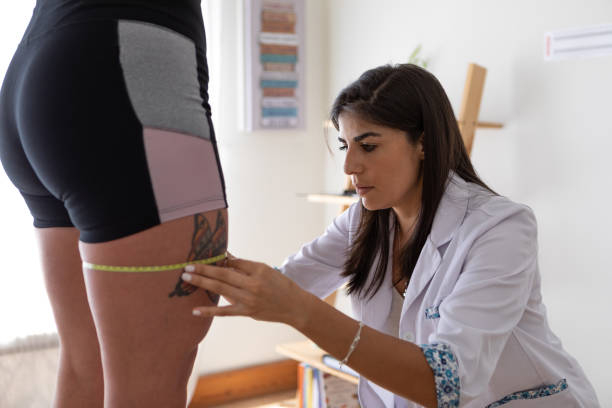
There is no single test that independently confirms lipedema. Diagnosis usually involves a detailed review of symptoms, medical history, body-fat distribution, and a physical examination. A professional may also consider other possible causes of swelling or abnormal fat accumulation. Getting an appropriate assessment is important because lipedema can sometimes occur alongside other conditions.
Managing Lipedema Symptoms
Healthy Lifestyle
A balanced diet and regular physical activity can support overall health, strength, and mobility. Although these measures may not remove lipedema-related fat, they can contribute to better physical well-being.
Compression and Supportive Care
Depending on individual symptoms, healthcare professionals may recommend compression garments or other supportive approaches to improve comfort and manage swelling.
Individualized Treatment
Treatment should be tailored to the person's symptoms, health status, and goals. Some individuals may benefit from conservative management, while others may be assessed for specialized treatment options.
Why Early Awareness Matters
Recognizing possible signs of lipedema can encourage individuals to seek appropriate guidance sooner. Early assessment may help clarify the condition, identify related concerns, and establish a suitable management plan. Lipedema in Riyadh can be approached more effectively when symptoms are understood and evaluated rather than mistaken for ordinary weight gain.
Book an Appointment at Royal Clinic Saudi
If you are experiencing symmetrical fat accumulation, unexplained tenderness, frequent bruising, swelling, or heaviness, consider seeking professional advice. Royal Clinic Saudi can provide an individualized assessment and discuss suitable options based on your symptoms and personal goals. Taking the first step toward professional evaluation can help you better understand your condition and available management approaches.
FAQs:
What is lipedema?
Lipedema is a chronic condition involving abnormal and symmetrical fat accumulation, commonly affecting the legs, hips, thighs, and arms.
What are the main signs of lipedema?
Common signs include symmetrical fat distribution, tenderness, heaviness, swelling, and easy bruising.
Can lipedema be mistaken for weight gain?
Yes. Its distinctive fat distribution and symptoms can sometimes be confused with ordinary weight gain.
When should I seek professional advice?
Consider an assessment if you experience persistent swelling, tenderness, heaviness, or disproportionate fat accumulation.

