

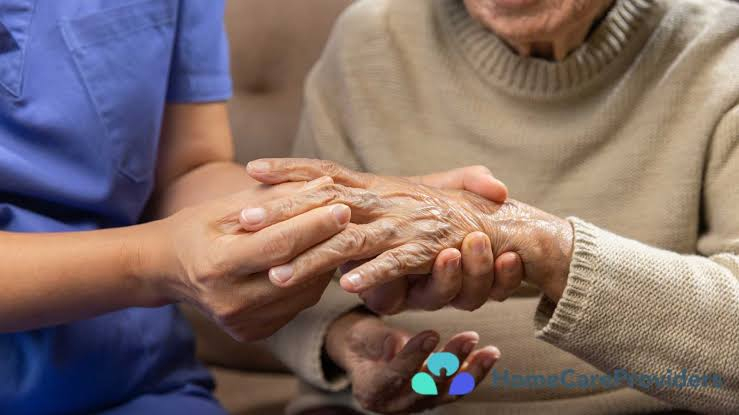

Managing chronic illnesses and complex health conditions often requires continuous attention, personalized treatment, and regular professional guidance. Disease Management at Home in Dubai offers patients a convenient way to receive appropriate healthcare support while staying in a familiar environment. Services such as Doctor at Home can provide professional assessments and medical guidance, while nurses and other healthcare professionals can support ongoing care according to the patient's needs. Comprehensive home healthcare can bring together medical monitoring, medication support, nutrition, mobility assistance, personal care, and caregiver education to create a coordinated approach to long-term disease management.
Understanding Comprehensive Disease Care at Home:
Comprehensive disease care at home involves addressing multiple aspects of a patient's health through a coordinated and personalized care plan. Rather than focusing only on a specific symptom or treatment, professionals can consider the patient's overall condition, medical history, medications, lifestyle, mobility, and daily challenges. Depending on individual requirements, home healthcare may involve doctors, nurses, therapists, caregivers, and other qualified professionals. This approach can help patients receive appropriate support without disrupting their familiar daily environment while allowing their care plan to be adjusted as their health needs change.
Personalized Assessment and Care Planning:
A detailed assessment is an important starting point for effective home disease management. Healthcare professionals can review the patient's diagnosis, current symptoms, medication requirements, previous medical information, lifestyle, and level of independence. They may also consider the home environment and the availability of family support. Based on this information, an individualized care plan can be developed to address the patient's priorities. A personalized plan may include medication management, health monitoring, nutrition, physical activity, rehabilitation, personal care, and follow-up appointments. Regular reviews help ensure the plan continues to reflect the patient's current needs.
Professional Nursing Support at Home:
Nurses can play an important role in supporting patients with chronic and complex conditions. Depending on their professional scope and the patient's care plan, home nurses may assist with monitoring, medication-related care, wound care, personal care, mobility, and other prescribed healthcare tasks. They can also observe changes in the patient's condition and communicate relevant concerns to the appropriate healthcare professional. Having trained nursing support at home may provide patients and families with greater confidence when daily healthcare requirements become difficult to manage independently.
Medication Management and Treatment Support:
Many patients with chronic diseases take several medications, making organization and adherence important aspects of their care. Home healthcare professionals can help patients and caregivers understand established medication routines and identify concerns that need professional attention. A comprehensive medication management approach may include:
-
Maintaining an updated medication list
-
Following prescribed dosage and timing instructions
-
Organizing medication schedules
-
Monitoring for unusual reactions
-
Keeping medications stored appropriately
-
Communicating concerns with the healthcare team
-
Reviewing medication information during follow-up appointments
Patients should never change, discontinue, or add medications without appropriate medical guidance.
Regular Health Monitoring:
Ongoing monitoring can provide useful information about how a patient's condition is progressing. Depending on the diagnosis, professionals may monitor relevant health indicators such as blood pressure, blood glucose, temperature, weight, oxygen levels, or symptoms. Regular records can help identify patterns and provide useful information during healthcare reviews. Monitoring requirements vary significantly between patients, so measurements should only be taken according to an appropriate care plan. Home monitoring should complement professional evaluation rather than replace it, especially when significant or unexpected changes occur.
Managing Diabetes and Other Chronic Conditions:
Home healthcare can support patients managing conditions such as diabetes, hypertension, cardiovascular diseases, respiratory disorders, arthritis, and other long-term illnesses. Each condition requires a different management strategy, which is why individualized care is important. Patients with diabetes may require support with glucose monitoring, medication routines, nutrition, and lifestyle recommendations, while someone with a respiratory condition may require symptom observation and prescribed respiratory support. Professional home care can help coordinate these different requirements and make long-term disease management more consistent.
Nutrition and Hydration Support:
Nutrition and hydration can contribute to overall health and may be an important part of managing certain chronic conditions. Home healthcare professionals can help patients follow dietary routines established by qualified healthcare providers. Meal planning may take into account medical requirements, prescribed diets, medications, activity levels, and individual preferences. Some patients may have restrictions involving salt, carbohydrates, fluids, or other dietary factors. Because nutritional needs differ between individuals, patients should seek professional advice before making significant changes to their diet or hydration routine.
Mobility and Rehabilitation Assistance:
Chronic diseases, injuries, aging, and prolonged periods of inactivity can affect mobility and independence. Depending on the patient's needs, home healthcare may include appropriate assistance with movement, transfers, prescribed exercises, or rehabilitation. Physiotherapy and other therapeutic services may help patients work toward functional goals when recommended by qualified professionals. Home-based rehabilitation can also make it easier to practice appropriate activities within the patient's everyday environment. Safety should remain a priority, particularly for individuals who have balance problems or an increased risk of falls.
Personal Care and Daily Living Assistance:
Some patients require support with daily activities in addition to medical care. Depending on their condition, they may need assistance with bathing, dressing, hygiene, eating, mobility, or other personal routines. Appropriate home healthcare can provide this support while respecting the patient's privacy, dignity, and independence. The goal should be to assist with tasks the patient cannot safely manage while encouraging participation in activities they can perform independently. This balanced approach can help maintain confidence and quality of life.
Supporting Elderly Patients With Multiple Health Needs:
Older adults may face several health concerns at the same time, making comprehensive disease care especially valuable. Managing multiple medications, appointments, mobility limitations, and chronic conditions can become difficult for both seniors and their families. Home healthcare professionals can provide appropriate assistance based on the patient's established care plan. Support may include monitoring, medication organization, personal care, mobility assistance, nutrition, and communication with family members. Regular professional assessments can also help identify changes in health or daily functioning that may require additional support.
Helping Family Caregivers:
Family members often contribute significantly to home disease management, but long-term caregiving can become physically and emotionally demanding. Comprehensive home healthcare can supplement family involvement and provide professional assistance when responsibilities become difficult to manage alone. Caregivers may also receive education about established care routines, monitoring requirements, mobility assistance, and warning signs. Sharing responsibilities can reduce confusion and help families maintain a more organized approach to ongoing care. Professional support can also allow family members to spend more meaningful time with their loved ones rather than focusing entirely on healthcare tasks.
Post-Hospitalization and Recovery Support:
The transition from hospital to home can involve several new responsibilities. Patients may return home with medication changes, follow-up appointments, dietary instructions, activity restrictions, or rehabilitation requirements. Home healthcare can help patients and families follow these recommendations according to the established care plan. Professional monitoring may also help identify concerns that should be communicated to the healthcare team. This type of support can be particularly helpful for individuals who are recovering from illness, surgery, or a prolonged hospital stay.
Recognizing Changes in Health:
Comprehensive home care includes awareness of changes that may require professional attention. Patients and caregivers should understand the symptoms associated with the patient's condition and know when to communicate concerns. Changes in breathing, consciousness, mobility, appetite, pain, behavior, or other symptoms may require assessment depending on the circumstances. Keeping important medical information accessible can help families communicate effectively with healthcare professionals. Sudden or severe symptoms that could indicate an emergency require immediate emergency medical assistance.
Coordinating Different Healthcare Services:
Patients with complex health needs may require support from multiple healthcare professionals. Effective coordination helps ensure that doctors, nurses, therapists, caregivers, and family members understand the current care plan. Maintaining organized medical records, medication lists, monitoring information, and appointment details can make communication easier. A coordinated approach reduces the risk of important information being overlooked and helps ensure that different aspects of care work together toward the patient's overall health goals.
Using Technology to Support Home Care:
Technology can assist with certain aspects of comprehensive disease management. Digital medication reminders, health tracking applications, electronic records, and suitable monitoring devices can help patients and caregivers organize information. When appropriate services are available, remote communication can also support follow-up discussions with healthcare professionals. However, technology should be used as a supportive resource rather than a replacement for professional medical assessment. Patients should follow healthcare recommendations regarding devices, measurements, and the sharing of personal health information.
Benefits of Comprehensive Home Healthcare:
A coordinated home healthcare approach can provide several practical benefits for patients managing ongoing conditions. When appropriate professional support is combined with a personalized care plan, patients may find it easier to maintain consistent routines and families may feel more confident about daily responsibilities. Potential benefits include:
-
Personalized healthcare according to individual needs
-
Greater convenience and comfort at home
-
Regular monitoring and follow-up
-
Support with medication routines
-
Assistance with daily activities
-
Mobility and rehabilitation support
-
Caregiver education and assistance
-
Better coordination of healthcare needs
-
Support for independence and quality of life
The type and extent of benefits depend on the patient's health condition and professional care requirements.
Final Thoughts:
Comprehensive home healthcare can provide a structured and convenient approach to managing chronic diseases and complex health needs. By combining medical guidance, nursing support, medication management, monitoring, nutrition, mobility assistance, personal care, and caregiver education, patients can receive more coordinated support within their familiar surroundings. Disease Management at Home in Dubai can be particularly valuable for individuals who need ongoing assistance while maintaining comfort and continuity in their daily lives. With regular professional assessment and an individualized care plan, home healthcare can support safer routines, greater confidence, and better long-term health management.

