


Liposuction: A Complete Guide to Body Contouring and Fat Removal
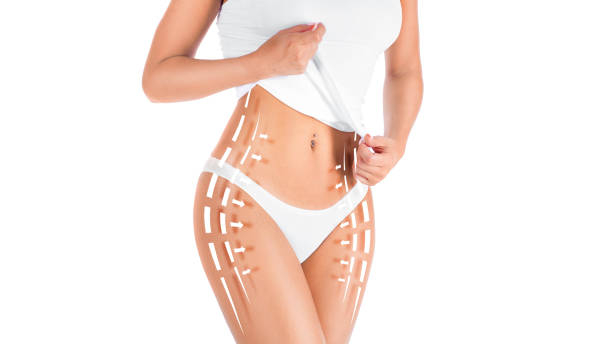
Liposuction is a cosmetic surgical procedure designed to remove localized fat deposits and improve body contours. It may be considered by individuals who struggle with stubborn fat in areas such as the abdomen, thighs, hips, arms, or chin despite maintaining healthy lifestyle habits. For people exploring Liposuction in Riyadh (عملية شفط الدهون في الرياض), understanding how the procedure works, who may be suitable, and what recovery involves can help support an informed decision. Liposuction is intended to reshape selected areas of the body rather than serve as a weight-loss treatment or a substitute for a balanced lifestyle.
What Is Liposuction?
Liposuction, also called lipoplasty, involves removing excess fat from specific areas beneath the skin using a thin tube called a cannula. The cannula is inserted through small incisions and connected to a suction device that removes targeted fat deposits.
How Liposuction Works
During the procedure, the surgeon carefully removes fat from selected areas while considering the body's natural proportions. The goal is to create smoother contours and improve the overall balance of the treated area.
The amount of fat removed depends on the patient's anatomy, health, treatment goals, and surgical safety considerations. Removing excessive fat can increase risks and may lead to uneven contours, so careful planning is essential.
Is Liposuction a Weight-Loss Procedure?
Liposuction is not designed to treat obesity or produce major weight reduction. It is generally more suitable for people who are near a stable, healthy weight but have localized fat deposits that are difficult to change through diet and exercise alone.
Patients should understand that liposuction does not directly treat loose skin, cellulite, or weakened abdominal muscles. Additional procedures may sometimes be discussed if these concerns are also present.
Common Areas Treated With Liposuction
Liposuction can target several areas where localized fat affects body proportions. The most appropriate treatment areas depend on individual anatomy and the surgeon's assessment.
Abdomen and Waist
Fat deposits around the abdomen and waist can make the midsection appear less defined. Liposuction may reduce selected fat deposits and improve the transition between the waist and surrounding areas.
However, it does not repair separated abdominal muscles or reliably tighten significant excess skin. Patients with these concerns may need an assessment for other treatment options.
Thighs, Hips, and Arms
The thighs and hips may retain localized fat despite regular exercise, while fat around the upper arms can affect their overall shape. Liposuction may help refine these areas when skin elasticity is sufficient to allow the skin to adapt to the new contours.
If the skin is significantly loose, removing fat alone may leave additional sagging.
Chin and Neck
Liposuction may be used in selected patients to reduce localized fat beneath the chin and improve the appearance of the jawline. Suitability depends on skin elasticity, facial anatomy, and the distribution of fat.
A consultation helps determine whether fat removal alone is appropriate or whether other treatments should be considered.
Who May Be a Suitable Candidate?
Not everyone with unwanted fat is an appropriate candidate for surgery. A comprehensive medical evaluation helps determine whether liposuction is suitable and whether the expected benefits justify the potential risks.
Health and Body Weight
Suitable candidates are generally in good overall health, have relatively stable body weight, and have specific areas of fat they want to address. Patients should disclose medical conditions, allergies, medications, previous operations, and smoking or nicotine use.
Certain health conditions can increase surgical risks or affect healing. The surgeon may recommend additional assessment or advise against surgery when the risks outweigh the potential benefits.
Skin Elasticity and Realistic Expectations
Skin elasticity is important because the skin must adapt to changes in the underlying fat layer. Patients with good elasticity may achieve smoother contours, while those with substantial skin laxity may experience loose or uneven skin after fat removal.
People considering Liposuction in Riyadh should understand that results vary and that the procedure cannot guarantee a particular body shape or perfectly smooth skin.
Types of Liposuction Techniques
Several techniques are available, and the choice depends on the treatment area, amount of fat, medical considerations, and the surgeon's experience.
Tumescent Liposuction
Tumescent liposuction involves injecting a solution containing saline, a local anesthetic, and a medication that helps reduce bleeding into the treatment area. The fat is then removed using a cannula.
This technique is widely used, but its suitability depends on the planned procedure and the patient's health.
Ultrasound-Assisted and Power-Assisted Techniques
Ultrasound-assisted liposuction uses energy to help break down fat before removal. Power-assisted liposuction uses a mechanically moving cannula to assist fat removal.
Each technique has specific indications, limitations, and risks. No method is automatically the best choice for every patient, so the surgeon should explain why a particular approach is recommended.
Preparing for Liposuction
Preparation begins with a consultation, physical examination, and review of medical history. The surgeon should explain the proposed treatment areas, expected changes, anesthesia plan, possible complications, and recovery requirements.
Before the Procedure
Follow instructions concerning medication, supplements, nicotine use, eating, and drinking. Do not stop prescribed medications without guidance from the relevant healthcare professional.
Arrange transportation home and, when recommended, assistance during the initial recovery period. Prepare comfortable clothing and a suitable resting area before surgery.
Recovery and Aftercare
Recovery depends on the extent of treatment, the technique used, and individual healing. Temporary swelling, bruising, tenderness, and fluid drainage from small incision sites may occur.
Supporting the Healing Process
Your surgeon may recommend a compression garment to help manage swelling and support the treated areas. Wear it according to the prescribed instructions and attend follow-up appointments.
Light walking may be encouraged when appropriate, but strenuous exercise and heavy lifting should be avoided until the surgeon confirms that these activities are safe.
Understanding Possible Risks
Liposuction carries risks, including infection, bleeding, fluid accumulation, contour irregularities, changes in sensation, skin problems, and complications related to anesthesia. More serious complications can also occur, particularly with extensive procedures.
Contact your medical team if you develop increasing pain, fever, unusual drainage, or symptoms that concern you. Chest pain, breathing difficulties, or sudden severe symptoms require emergency medical care.
Maintaining Your Body Contouring Results
Liposuction removes fat cells from the treated areas, but remaining fat cells can enlarge with weight gain. Significant weight changes may affect the overall appearance of the results.
Maintaining a stable weight through balanced nutrition, regular physical activity, and healthy lifestyle habits can help preserve body contours. Liposuction should complement—not replace—long-term health practices.
Book an Appointment at Royal Clinic Saudia
If you are considering body contouring, Royal Clinic Saudia ( عيادات رويال كلينك )can help you explore suitable treatment options and understand the procedure's potential benefits and limitations. Schedule a consultation to discuss your goals, medical history, treatment areas, and recovery expectations. A personalized assessment can help determine whether Liposuction in Riyadh is appropriate for you and provide guidance on the available techniques, potential risks, and aftercare requirements.
Categories
- Artificial Intelligence (AI)
- Technology
- Business
- Education
- Science
- Lifestyle
- Healthcare
- Entertainment
- Politics
- Environment
- Travel
- Finance
- Automobile
- News
- Art
- Causes
- Crafts
- career
- Dance
- Drinks
- Film
- Fitness
- Food
- Games
- Gardening
- Health
- Home
- Literature
- Music
- Networking
- Other
- Party
- Religion
- Shopping
- Sports
- Theater
- Wellness
Read More
Security planning is an important stage in the development of commercial buildings, residential properties, retail spaces, offices, warehouses, and other facilities in Dubai. A security system should be designed around the actual layout and operational needs of a property instead of being added after construction is complete. This is where SIRA SPC approval becomes relevant for projects that...

The GCC Non-Invasive Neurostimulation Devices Market refers to the growing market for advanced medical devices that use external electrical, magnetic, or ultrasound stimulation to modulate brain and nerve activity without the need for surgery or implanted electrodes. These devices are increasingly utilized for the treatment of neurological and psychiatric disorders such as depression,...

The airport information systems sector plays a significant role in supporting seamless airport operations by offering flight information display systems, airport operational databases, resource management platforms, and passenger processing solutions. Airport operators are increasingly incorporating integrated, data-driven systems that improve coordination between airlines, ground handlers, and...
A lot of players figured digital tables would stay a niche thing. They didn’t. Live casino in Canada has pushed streamed dealer games into the mainstream, and Trybet Casino sits right in that change as a practical example of what modern players now expect. The appeal is easy to see. You get the speed of online access, but you still keep the human beat of a real table, with cards dealt in...

According to the latest report published by Data Bridge Market Research, the Gift Card Market The global Gift Card market was valued at USD 1186.93 billion in 2024 and is expected to reach USD 3433.65 billion by 2032. During the forecast period of 2025 to 2032 the market is likely to grow at a CAGR of 14.20%. The Gift Card Market document has wide-ranging and comprehensive market...
