How Professional Wart Removal Treatments Work
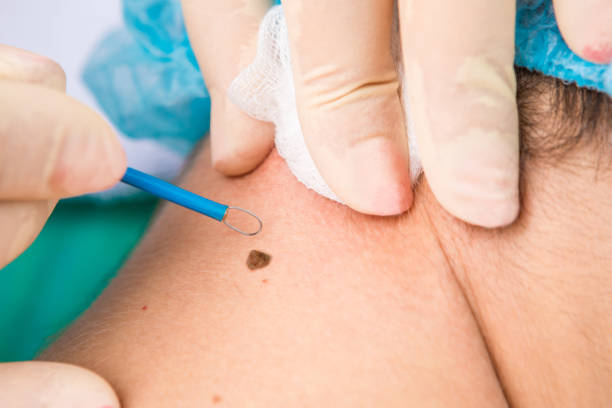
Warts are common skin growths that can appear on the hands, feet, face, and other parts of the body. Although they are usually harmless, some warts may cause discomfort, spread to nearby skin, or affect a person's confidence. Professional treatment focuses on identifying the growth, selecting an appropriate removal method, and supporting proper healing. For individuals considering Wart removal in Riyadh (كم سعر إزالة الثالول بالليزر في الرياض), understanding how these treatments work can help them prepare for a consultation and make informed decisions about their skin health.
What Happens During a Professional Wart Assessment?
Before recommending a procedure, a healthcare professional examines the wart's appearance, location, size, and texture. They may also ask how long it has been present, whether it has changed, and which treatments have already been attempted.
Identifying the Type of Wart
Warts are commonly associated with certain types of human papillomavirus (HPV). Common warts often develop on the hands and fingers, plantar warts appear on the soles of the feet, flat warts may occur in clusters, and filiform warts can develop around the nose, mouth, or eyelids.
An examination helps determine whether the growth is likely to be a wart or another skin condition. If the lesion looks unusual or the diagnosis is uncertain, a clinician may recommend additional assessment or a biopsy before treatment.
Selecting an Appropriate Treatment
The choice of treatment depends on the wart's characteristics, the patient's medical history, skin sensitivity, and previous treatment outcomes. Some warts disappear naturally, while others may need professional care because they are painful, persistent, spreading, or affecting daily activities.
How Different Wart Removal Treatments Work
Several methods can be used to manage warts. Each works differently, and the most suitable option depends on the individual case.
Cryotherapy
Cryotherapy uses liquid nitrogen to freeze the affected tissue. Freezing damages the wart cells, allowing the treated tissue to gradually break down as the skin heals. A blister or crust may develop after the procedure, and more than one session may be needed.
Temporary discomfort is common, while pigment changes and scarring are possible. The clinician determines whether repeat treatment is appropriate based on the wart's response.
Topical Wart Treatments
Topical treatments, such as salicylic acid, work by gradually breaking down the thickened skin of selected warts. They are generally used consistently over a period of time and according to product instructions or professional advice.
These treatments are not suitable for every skin growth. Avoid applying over-the-counter wart removers to facial or genital lesions, irritated skin, or suspicious growths without medical guidance.
Laser Treatment
Laser treatment may be considered for selected persistent or difficult-to-treat warts. Depending on the technique, the laser targets affected tissue or blood vessels supplying the growth. The procedure requires careful assessment because the appropriate approach depends on the wart's location and characteristics.
Recovery can involve tenderness or temporary skin changes. Potential risks include scarring, infection, and changes in pigmentation, and the wart may still recur.
Electrosurgery and Curettage
Electrosurgery uses electrical energy to destroy selected wart tissue, while curettage involves removing the growth with a specialised instrument. These procedures may be performed under local anaesthesia when appropriate.
The treated area requires proper wound care during healing. Possible complications include bleeding, infection, and scarring, so the clinician should explain the expected recovery process before treatment.
Benefits of Professional Wart Removal
Professional treatment provides an opportunity to confirm the diagnosis and select a method appropriate for the lesion. It may help remove visible growths, reduce discomfort, and address warts that have not responded to initial treatment. Professional guidance also helps patients understand realistic expectations and possible side effects.
For patients considering Wart removal in Riyadh, a personalised assessment can clarify whether observation, topical treatment, cryotherapy, or another procedure is appropriate. No treatment guarantees permanent removal, as warts can return when the virus remains in nearby skin. Some cases also require multiple sessions.
What to Expect During Recovery
Recovery depends on the treatment method, the wart's location, and the individual's skin response. Mild soreness, blistering, or scab formation may occur after certain procedures. Following the provider's aftercare instructions helps protect the treated area while it heals.
Essential Aftercare Tips
-
Keep the treated area clean and follow the recommended wound-care instructions.
-
Avoid picking scabs, scratching the skin, or popping blisters.
-
Use only the creams, dressings, or other products recommended by your provider.
-
Avoid sharing towels, nail clippers, and other personal items that contact affected skin.
-
Attend follow-up appointments if advised.
Contact a healthcare professional if you notice increasing pain, spreading redness, pus, fever, or delayed healing. These symptoms may require further assessment.
How to Reduce the Risk of Warts Spreading
Avoid touching or picking warts, and wash your hands after contact with an affected area. Keep cuts and scratches clean, and avoid sharing personal items that may come into contact with the skin. Wearing footwear in communal showers and changing rooms may also reduce exposure to infectious material.
If warts repeatedly return or new growths develop, seek professional advice rather than repeatedly attempting removal at home. People with diabetes, poor circulation, or a weakened immune system should consult a healthcare professional before treating warts themselves.
Book an Appointment at Royal Clinic Saudia
If a wart is persistent, uncomfortable, or affecting your confidence, consider arranging a professional skin assessment. Royal Clinic Saudia ( عيادات رويال كلينك ) can help you explore suitable treatment options based on your skin concern and individual needs. Discuss the recommended procedure, possible side effects, expected healing time, and aftercare before proceeding with Wart removal in Riyadh.
Categories
- Artificial Intelligence (AI)
- Technology
- Business
- Education
- Science
- Lifestyle
- Healthcare
- Entertainment
- Politics
- Environment
- Travel
- Finance
- Automobile
- News
- Art
- Causes
- Crafts
- career
- Dance
- Drinks
- Film
- Fitness
- Food
- Games
- Gardening
- Health
- Home
- Literature
- Music
- Networking
- Other
- Party
- Religion
- Shopping
- Sports
- Theater
- Wellness
Read More
Regional dynamics shape the Medical Wearable Devices Market significantly. North America leads with a $10 billion valuation in 2024, expected to reach $22 billion by 2035. Advanced healthcare infrastructure, high consumer spending, and favorable FDA regulations support this dominance. The US and Canada drive innovation through substantial R&D investments and early technology adoption....

According to the latest report published by Data Bridge Market Research, the Heat Stabilizers Market The global heat stabilizers market size was valued at USD 5.64 billion in 2025 and is expected to reach USD 8.09 billion by 2033, at a CAGR of 4.6% during the forecast period. Heat Stabilizers Marketing report makes available state-of-the-art information about the entire market along...
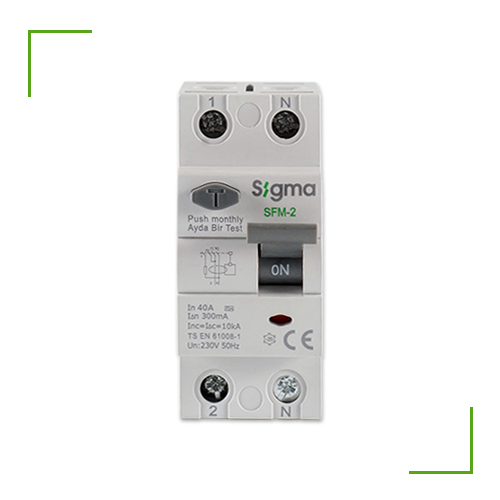
Introduction Electrical systems require reliable protection against faults that can damage equipment, disrupt operations, or create safety hazards. An RCCB breaker is designed to detect residual current and disconnect an electrical circuit when leakage is detected, while other circuit breakers provide protection against conditions such as overloads and short circuits. Understanding how these...
According to a report by Intel Market Research, the global Algorithmic Trading Market was valued at USD 12.5 billion in 2025, is forecast to rise to USD 13.4 billion in 2026, and is projected to reach USD 22.1 billion by 2034. The report contains a CAGR discrepancy: its Key Statistics section states 6.5% for 2025–2034, while the Market Insights and FAQ sections state 6.3% for the...
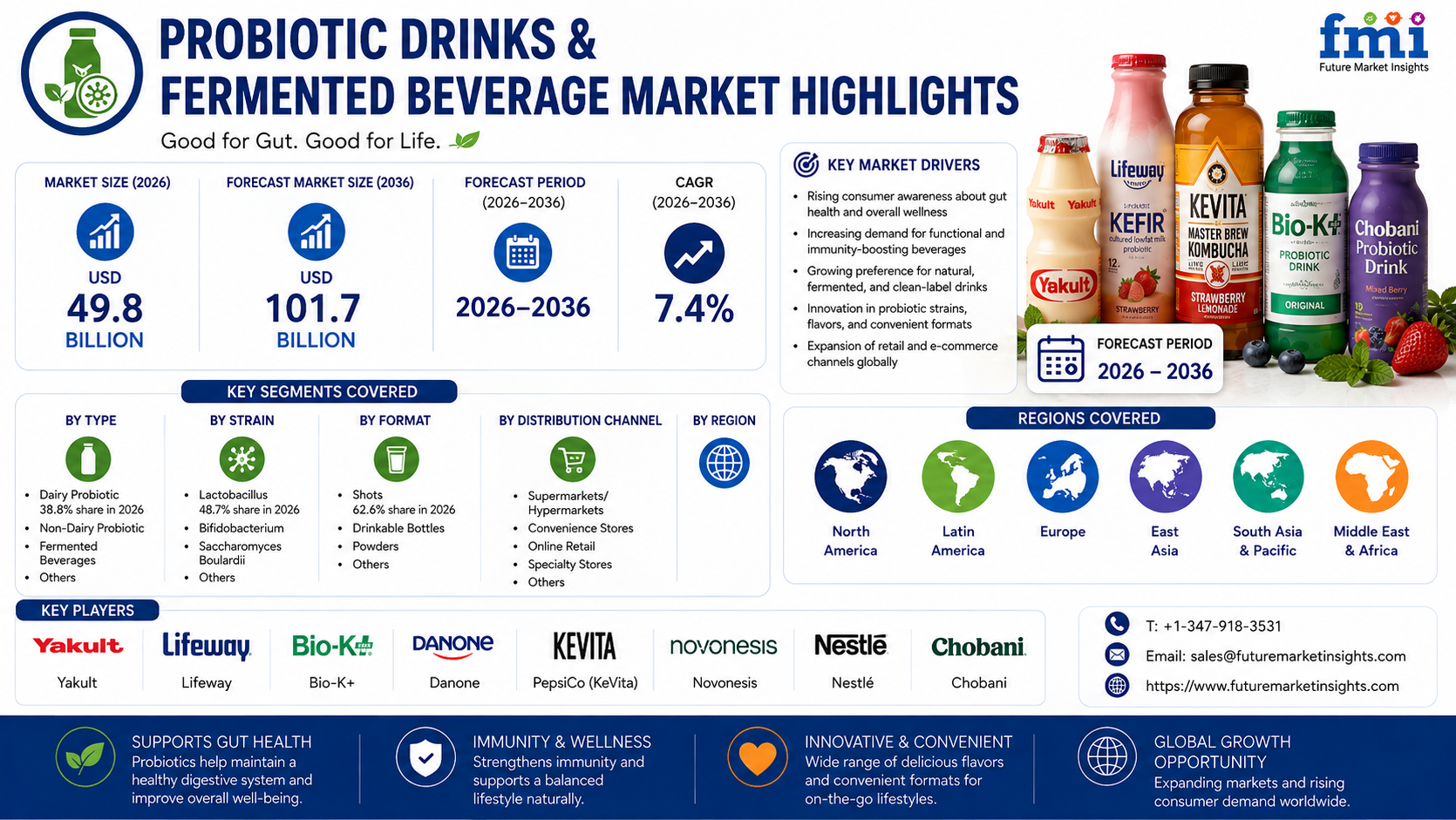
NEWARK, Del., August 4, 2026 — The global Probiotic Drinks & Fermented Beverage Market is expected to witness steady growth as consumers increasingly seek beverages that combine hydration, digestive wellness, and functional nutrition. Rising awareness of probiotics, growing demand for fermented beverages, increasing interest in gut health, and continued innovation in live-culture...