


What Is a C-Reactive Protein Blood Test and Why Is It Important?
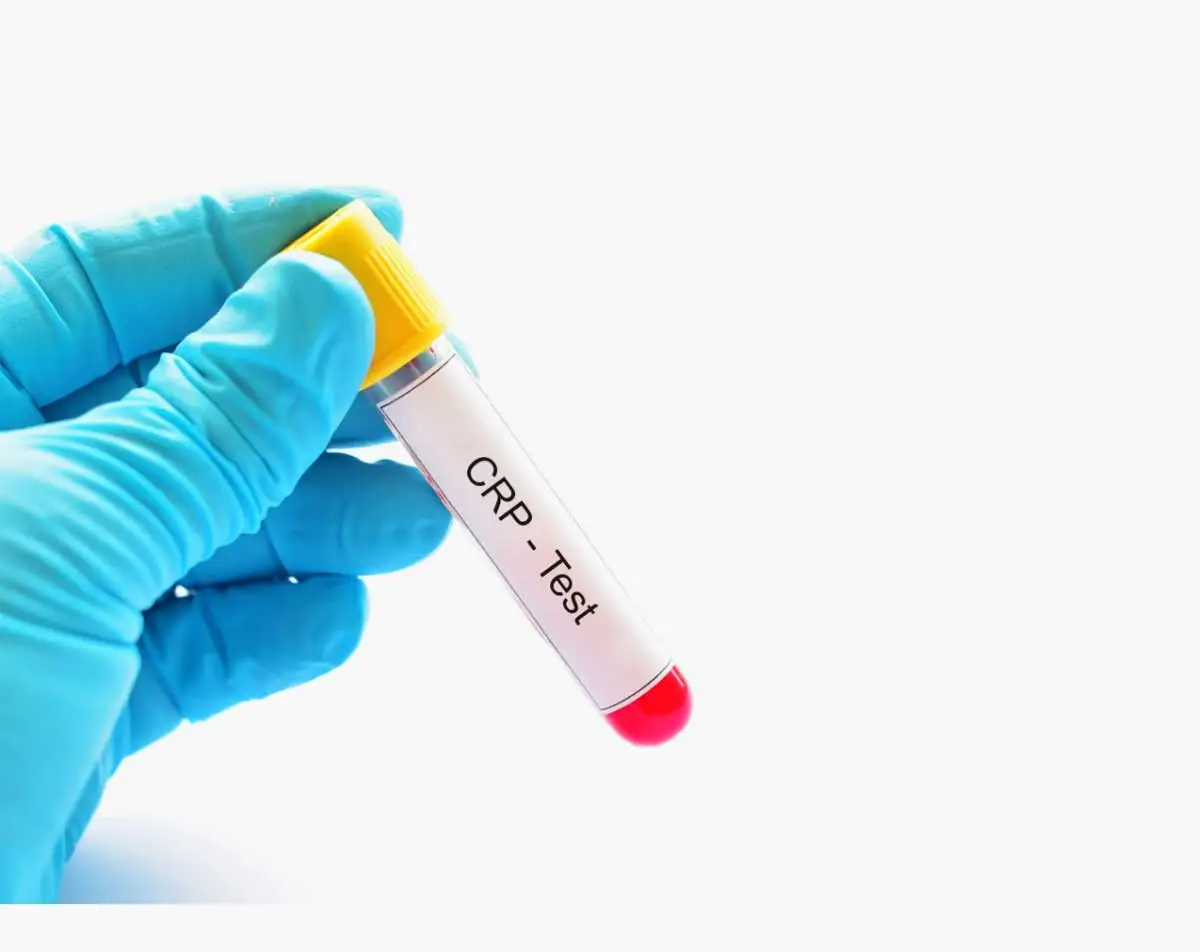
Inflammation is one of the body's natural defense mechanisms. When an infection, injury, or illness occurs, the immune system activates a response to protect tissues and support recovery. However, inflammation can sometimes persist or become excessive, indicating an underlying health problem that needs medical attention. One way healthcare professionals assess this response is through a C-Reactive Protein Blood Test in Dubai, commonly known as a CRP test.
This blood test measures the amount of C-reactive protein circulating in the bloodstream. Because CRP levels often increase when inflammation occurs, the test can help doctors investigate infections, evaluate inflammatory diseases, and monitor how a patient responds to treatment.
But what exactly does a CRP blood test measure, when is it necessary, and how should the results be understood? This guide explains its medical importance, testing procedure, normal range, possible causes of elevated levels, and role in everyday healthcare.
What Is a C-Reactive Protein Blood Test?
A C-reactive protein blood test is a laboratory investigation that measures the concentration of C-reactive protein, a substance produced primarily by the liver in response to inflammation.
When the body detects infection, tissue damage, or another inflammatory trigger, it releases chemical signals that stimulate the liver to produce more CRP. As the inflammatory response develops, the concentration of this protein in the blood can rise significantly. When the underlying inflammation begins to resolve, CRP levels generally decrease.
Doctors use this test as a nonspecific marker of inflammation. This means it can indicate that inflammation may be present, but it cannot identify its precise location or cause on its own.
For example, an elevated CRP level might occur because of a bacterial infection, an autoimmune disorder, an injury, or another inflammatory condition. Additional medical assessments are often necessary to determine the underlying explanation.
Why Is the CRP Blood Test Important for Your Health?
The importance of CRP testing lies in its ability to provide useful information about the body's inflammatory response. Since inflammation can accompany many different illnesses, measuring CRP can help healthcare professionals decide whether further investigation is needed.
1. Supporting the Evaluation of Infections
CRP levels can increase when the immune system responds to an infection. Doctors may use the test alongside symptoms, physical examination findings, and other investigations when assessing possible bacterial or viral infections.
A high CRP result does not automatically confirm a bacterial infection. The level can overlap between different illnesses, so doctors consider the complete clinical picture before making treatment decisions.
2. Identifying Inflammatory Activity
Certain medical conditions cause persistent or recurring inflammation. These include rheumatoid arthritis, inflammatory bowel disease, and some other autoimmune disorders.
A CRP blood test can help assess inflammatory activity in these conditions. However, not every inflammatory disease produces the same CRP response, and a normal result does not exclude every possible diagnosis.
3. Monitoring Treatment Effectiveness
Doctors may repeat CRP testing to determine whether inflammation is increasing or decreasing during treatment. For instance, falling CRP levels may support the conclusion that an infection or inflammatory condition is improving.
Nevertheless, laboratory results must be considered alongside symptoms and other clinical findings. A decrease in CRP alone does not prove that a condition has completely resolved.
4. Investigating Unexplained Symptoms
Persistent fever, unexplained fatigue, joint discomfort, and other symptoms may prompt a doctor to investigate possible inflammation. CRP testing can contribute useful information when combined with a medical history, examination, and appropriate diagnostic tests.
When Should You Consider a C-Reactive Protein Blood Test?
A CRP test is generally recommended when a healthcare professional believes that measuring inflammation could help answer a specific medical question.
Common reasons for testing include:
-
Persistent or unexplained fever.
-
Suspected bacterial or viral infection.
-
Pain, swelling, or stiffness associated with an inflammatory condition.
-
Monitoring an established autoimmune disease.
-
Assessing inflammation following surgery or tissue injury.
-
Evaluating whether treatment is helping control an inflammatory response.
The test may also be ordered alongside other blood investigations, such as a complete blood count (CBC) or erythrocyte sedimentation rate (ESR).
It is important to understand that CRP testing is not necessary for every episode of fever or pain. A qualified healthcare professional can determine whether the test is appropriate based on symptoms, medical history, and examination findings.
How Does a C-Reactive Protein Blood Test Work?
The testing process is straightforward and usually takes only a few minutes.
A healthcare professional collects a small blood sample, typically from a vein in your arm. The sample is then sent to a laboratory, where an appropriate testing method measures the concentration of C-reactive protein.
The result is commonly reported in milligrams per liter (mg/L). Your report may include a reference range that helps you understand whether your result falls within the laboratory's expected limits.
The CRP test itself does not require a complicated procedure, and most people can return to their usual activities shortly after the blood draw.
Do You Need to Fast Before a CRP Test?
Most standard C-reactive protein blood tests do not require fasting. You can generally eat and drink normally unless your doctor or laboratory provides different instructions because additional tests are being performed at the same time.
Before testing, inform your healthcare professional about your medications, supplements, recent illnesses, injuries, and any ongoing symptoms. This information may help explain changes in CRP levels.
Understanding CRP Blood Test Results and Normal Levels:
CRP results must be interpreted according to the laboratory's reference range, the reason for testing, and the patient's overall health.
Many laboratories consider a standard CRP level below approximately 5 mg/L to be within the reference range, although some laboratories use different limits.
The following table provides a general overview of possible interpretations.
| CRP result | Possible interpretation |
|---|---|
| Below approximately 5 mg/L | Often within the standard reference range |
| Approximately 5–10 mg/L | May indicate a mild elevation |
| Above 10 mg/L | Often suggests an inflammatory response that requires clinical interpretation |
| Substantially elevated | Can occur with significant infection, inflammation, or tissue injury |
These values are general examples rather than universal diagnostic thresholds. A result that exceeds the laboratory's reference range does not necessarily mean that a serious illness is present.
Similarly, a normal CRP level cannot rule out every infection or inflammatory disorder. Doctors may recommend repeat testing or additional investigations when symptoms suggest an underlying problem.
What Causes High C-Reactive Protein Levels?
An elevated CRP level indicates that inflammation may be occurring, but several different conditions can produce this finding.
Infections and Immune Responses
Bacterial infections can cause substantial CRP elevations, while viral infections may also increase CRP. The level varies according to the type and severity of the illness and the body's response.
Autoimmune Diseases
Conditions such as rheumatoid arthritis and inflammatory bowel disease can trigger ongoing inflammation. CRP testing may help assess disease activity, although results vary between individuals and conditions.
Injuries and Surgical Procedures
Physical injuries, burns, and surgery can activate the inflammatory response. CRP may rise temporarily as the body repairs damaged tissue.
Lifestyle and Chronic Health Factors
Smoking, obesity, and some chronic metabolic conditions are associated with increased inflammation. These factors may contribute to persistently elevated CRP levels, but they should not automatically be assumed to explain an abnormal result.
Other Medical Conditions
Certain cancers and other illnesses may also be associated with elevated CRP. However, this test cannot diagnose cancer or determine the precise cause of inflammation.
If your CRP level is high, your healthcare professional may recommend additional tests based on your symptoms and medical history.
Standard CRP Test vs. High-Sensitivity CRP Test:
Although both tests measure C-reactive protein, they are used for different clinical purposes.
A standard CRP blood test is commonly used to assess inflammation associated with infections, inflammatory diseases, and tissue injury.
A high-sensitivity C-reactive protein test, known as hs-CRP, can measure much lower concentrations of CRP. In appropriate circumstances, doctors may use it as one factor when assessing cardiovascular risk.
The distinction matters because an hs-CRP result obtained for cardiovascular risk assessment should not be interpreted in the same way as a standard CRP result during an acute infection.
Neither test independently diagnoses a particular disease. The choice depends on the clinical question being investigated.
What Are the Limitations of a CRP Blood Test?
Although CRP testing is useful, it has several limitations that patients should understand.
First, CRP is a nonspecific inflammatory marker. It can increase in many unrelated conditions, so the result does not identify the exact cause of inflammation.
Second, CRP levels can change over time. Testing very early in an illness may produce a result that does not fully reflect the developing inflammatory response.
Third, some inflammatory conditions produce only small increases in CRP, while others may occur with normal levels.
Finally, a high CRP result does not automatically mean that antibiotics or another specific treatment are necessary. Treatment decisions depend on the suspected diagnosis, symptoms, examination findings, and additional investigations.
These limitations explain why doctors interpret CRP results as part of a broader clinical assessment rather than in isolation.
How Can You Support Healthy Inflammatory Balance?
Lifestyle choices can influence chronic, low-grade inflammation, although they cannot replace medical evaluation when CRP levels are elevated.
Helpful habits include maintaining a balanced diet, engaging in regular physical activity, getting sufficient sleep, avoiding smoking, and working toward a healthy weight when appropriate.
People with persistent inflammation should also follow their healthcare professional's recommendations for managing underlying conditions, taking prescribed medications, and attending follow-up appointments.
If an elevated CRP result is discovered unexpectedly, the first priority is to understand its possible cause rather than attempting to lower the number without medical guidance.
Frequently Asked Questions About the C-Reactive Protein Blood Test:
Is a CRP blood test enough to diagnose an infection?
No. CRP can indicate inflammation, but it cannot independently confirm an infection or identify the microorganism responsible. Doctors may use additional tests, such as blood cultures or other targeted investigations, when appropriate.
How quickly can CRP levels increase?
CRP levels can begin rising within several hours of an inflammatory trigger. They may increase further over the next day or two, depending on the condition and the body's response.
Can a normal CRP result mean that I am healthy?
A normal result can be reassuring, but it does not rule out every disease. Persistent or worsening symptoms still require appropriate medical assessment.
Is the CRP blood test different from a complete blood count?
Yes. A CRP test measures the concentration of C-reactive protein, whereas a CBC measures blood components such as red blood cells, white blood cells, and platelets. The tests provide different types of information and may be ordered together.
Can CRP levels decrease without treatment?
Yes. CRP levels may decrease naturally when a temporary inflammatory response resolves. However, persistent or significant inflammation may require medical evaluation and treatment of the underlying cause.
Conclusion: Why Understanding Your CRP Results Matters
A C-reactive protein blood Lab tests is an important diagnostic tool that helps healthcare professionals evaluate inflammation, investigate possible infections, and monitor selected medical conditions. Its simplicity and ability to reflect changes in the inflammatory response make it valuable in many clinical situations.
Understanding the purpose of the test, the meaning of normal and elevated CRP levels, and the difference between standard CRP and hs-CRP testing can help you approach your laboratory results with greater confidence.
The most important point is that CRP is an indicator of inflammation, not a diagnosis by itself. If your results are abnormal or you continue to experience symptoms, consult a qualified healthcare professional for an assessment based on your complete medical history and other relevant findings.
Categories
- Artificial Intelligence (AI)
- Technology
- Business
- Education
- Science
- Lifestyle
- Healthcare
- Entertainment
- Politics
- Environment
- Travel
- Finance
- Automobile
- News
- Art
- Causes
- Crafts
- career
- Dance
- Drinks
- Film
- Fitness
- Food
- Games
- Gardening
- Health
- Home
- Literature
- Music
- Networking
- Other
- Party
- Religion
- Shopping
- Sports
- Theater
- Wellness
Read More
According to a new report from Intel Market Research, the global Contact Center Market was valued at USD 31.5 billion in 2025 and is projected to reach USD 48.9 billion by 2034, growing at a robust CAGR of 4.9% during the forecast period (2025–2034). The Contact Center Market is expanding as enterprises respond to rising customer expectations for seamless, personalized, and...

The Forklift Truck Market research report has been crafted with the most advanced and best tools to collect, record, estimate, and analyze market data. The report also sheds light on the market overview in its entirety touching diverse aspects like product definition, prevailing vendor landscape, and market segmentation. Through the comprehensive and systematic market research study, the report...

The growing elderly population and increasing awareness of oral health are driving steady growth in the Denture Adhesive Cream Market. Denture adhesive creams help improve denture retention, stability, and comfort, enabling users to chew, speak, and smile with greater confidence. According to WiseGuyReports, the global denture adhesive cream market is expected to grow from USD 1.3 billion in...
As per Market Research Future analysis, the Agrochemicals Market Size was estimated at 239.65 USD Billion in 2024. The Agrochemicals industry is projected to grow from USD 248.7 Billion in 2025 to USD 359.6 Billion by 2035, exhibiting a CAGR of 3.8% during the forecast period 2025–2035. The adoption of precision agriculture is significantly transforming agrochemical usage worldwide. A...
Introduction to Essential Hoodie Style Contemporary fashion in the United States is increasingly focused on comfort, versatility, and effortless personal style. Among the many clothing pieces that have become important in modern wardrobes, the essentials hoodie stands out as a reliable choice for everyday dressing. Its relaxed appearance, simple design, and easy styling make it suitable for...
