

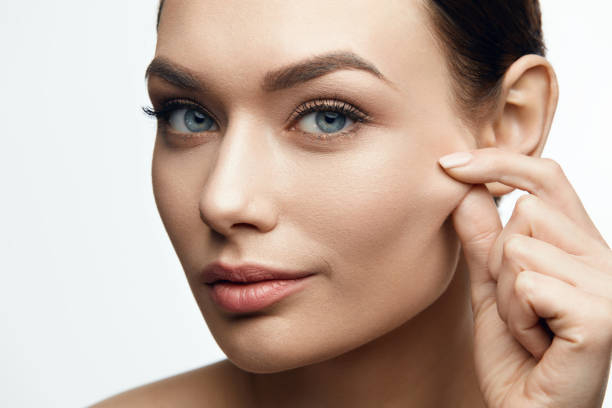

A tired-looking face can develop gradually as the skin loses elasticity and the tissues beneath it begin to change with age. Sagging cheeks, deeper facial folds, and loose skin around the jawline may make someone appear older or more fatigued than they feel. Facelift in Riyadh is a cosmetic surgery option for people who want to address these visible changes and achieve a smoother, more refreshed appearance. By improving facial contours and supporting underlying tissues, the procedure aims to enhance natural features without changing the person's unique identity.
Facial rejuvenation is not simply about looking younger; it is also about feeling comfortable with your appearance. People considering Facelift in Riyadh often want to understand how surgery can improve tired features, what results may be realistic, and how long recovery takes. Learning about the procedure and its limitations can help you make an informed decision that aligns with your aesthetic goals.
What Causes a Tired-Looking Face?
Several factors can contribute to a tired facial appearance. As people age, collagen and elastin gradually decrease, and the skin may become less firm. Fat distribution and underlying tissues can also change, contributing to sagging cheeks, deeper folds, and a less defined jawline.
Lifestyle factors such as sun exposure, smoking, poor sleep, and stress may affect overall skin quality. However, tired-looking features are not always caused by aging alone. Understanding the specific concern is important because some changes may respond to skincare or nonsurgical treatments, while more pronounced sagging may require a surgical approach.
What Is Facelift Surgery?
A facelift, medically known as rhytidectomy, is a surgical procedure designed to improve visible signs of aging, especially in the middle and lower portions of the face. Depending on individual needs, the surgeon may reposition underlying tissues, remove excess skin, and refine facial contours to create a smoother appearance.
The goal is to achieve a natural-looking result rather than make the face appear completely different. A facelift does not stop aging or treat every skin concern, such as pigmentation or fine surface lines. A consultation with a qualified plastic surgeon can help determine whether the procedure is suitable.
How Facelift Surgery Can Refresh Tired Features
Improving Sagging Cheeks
As facial tissues lose support, the cheeks may appear lower or less defined. A facelift can reposition selected underlying tissues to improve facial contours and create a firmer-looking appearance. The degree of improvement depends on the person's anatomy and the surgical technique used.
Reducing the Appearance of Deep Facial Folds
Folds around the nose and mouth can become more noticeable as the face changes with age. By addressing underlying tissue descent and excess skin, a facelift may soften some of these folds. It does not necessarily eliminate them completely, and individual results vary.
Defining the Jawline
Loose skin around the lower face can make the jawline look less distinct. Facelift surgery may help improve definition by tightening and repositioning tissues in the treated area. If loose skin also affects the neck, a surgeon may discuss whether a neck lift could provide a more balanced result.
Creating a More Refreshed Appearance
A facelift may help reduce the visual effects of sagging that contribute to a tired or aged appearance. The aim is to restore smoother contours while maintaining natural facial expressions. Results depend on skin quality, facial structure, age, and individual healing.
Different Facelift Options
Traditional Facelift
A traditional facelift may be recommended for people with moderate to significant sagging in the cheeks and lower face. It generally involves adjusting underlying tissues and removing excess skin through carefully planned incisions. The approach is tailored to the patient's concerns and anatomy.
Mini Facelift
A mini facelift may be suitable for people with mild sagging who want a more limited surgical approach. It generally focuses on selected areas of the lower face, but it may not provide enough improvement for more advanced skin laxity.
Facelift with Neck Lift
When aging changes affect both the jawline and neck, a combined procedure may be considered. A neck lift can address selected concerns involving loose neck skin and underlying structures. The surgeon determines whether combining procedures is appropriate after assessing the patient's health and goals.
Who May Benefit from Facelift Surgery?
Adults who are in suitable overall health, have noticeable facial sagging, and hold realistic expectations may be candidates for a facelift. Skin elasticity, medical history, lifestyle, and personal preferences all influence the decision.
Surgery may not be the best choice for everyone. People whose main concerns involve fine lines, uneven pigmentation, or mild skin texture changes may benefit more from other treatments. A qualified plastic surgeon can explain the available options, potential risks, and expected outcomes before treatment is planned.
Recovery and Aftercare
Recovery varies depending on the surgical technique and individual healing. Swelling, bruising, tightness, and temporary discomfort are common during the early stages. Your surgeon will provide guidance on wound care, medication, sleeping positions, and follow-up appointments.
Many patients need several weeks for initial recovery, while the final appearance may continue to develop over several months. Avoid strenuous activity until your surgeon confirms that it is safe to resume. Following postoperative instructions helps support healing and reduces the risk of complications.
Maintaining Your Results
Healthy habits can support skin health after facial rejuvenation. Daily sun protection, a balanced diet, adequate hydration, and avoiding smoking may help preserve a healthy-looking complexion. Gentle skincare and professional advice can also help address concerns that surgery does not treat.
Although a facelift can provide long-lasting improvement, natural aging continues. Maintaining realistic expectations and following appropriate aftercare can help you care for your results over time.
Book a Consultation at Royal Clinic Saudi
If you are interested in improving tired-looking facial features, Royal Clinic Saudi can be a starting point for discussing your aesthetic goals and suitable treatment options. Arrange a consultation to learn about facelift techniques, potential benefits, recovery, and safety considerations. A personalized assessment can help you decide whether surgery is appropriate for your needs.
FAQs:
1. Can a facelift make a tired face look refreshed?
Yes, it may improve sagging skin and facial contours, creating a more refreshed appearance.
2. Does facelift surgery remove all wrinkles?
No, it mainly addresses sagging and deeper folds rather than every wrinkle or skin concern.
3. How long does recovery take after a facelift?
Initial recovery often takes a few weeks, while final results may take several months to settle.
4. Are facelift results permanent?
No, results can last for years, but natural aging continues after surgery.

