

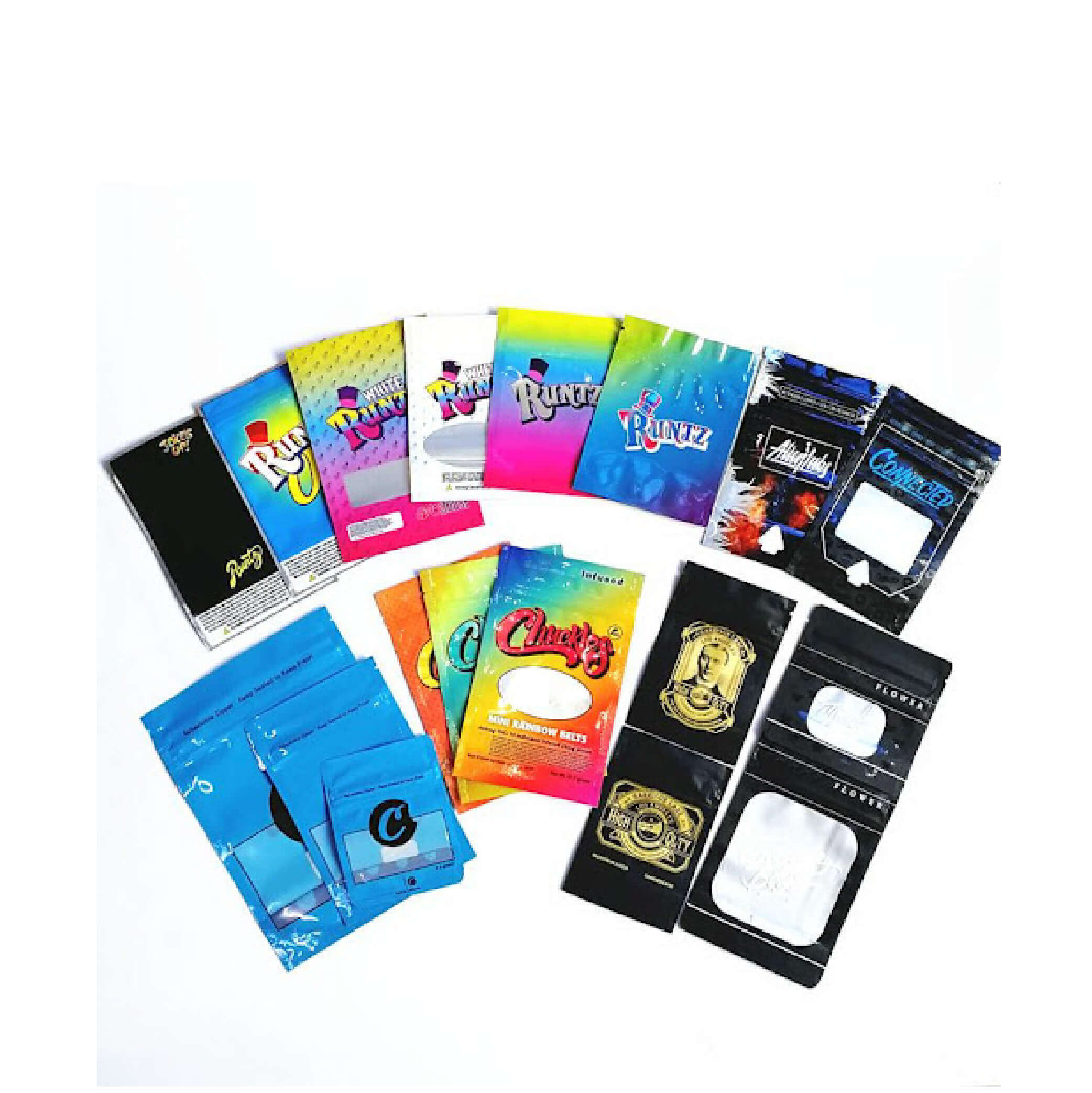

Packaging can help businesses present products with recognizable artwork, clear labeling, and coordinated colors. Companies exploring Custom Printed Mylar Bags can consider customized dimensions, printed designs, suitable materials, and finishing options for different product categories. Custom Printed Mylar Bags provide space for logos, product names, ingredient details, and other relevant information while maintaining a consistent brand appearance. Thoughtful layouts can distinguish product varieties and create a recognizable presentation across retail collections. For more packaging ideas, Printing Shell offers different packaging categories for businesses seeking suitable options for their products and branding requirements.
Distinctive Artwork for Brand Recognition
Creative artwork can establish a recognizable visual identity across different product lines and help businesses maintain consistency in their packaging designs. Carefully arranged logos, typography, illustrations, and color combinations can communicate brand personality while keeping essential information easy to read. Graphics may be tailored to different flavors, sizes, or product varieties, creating clear visual differences within a collection. Balanced artwork also helps prevent the package from appearing overcrowded. By coordinating printed elements with the overall brand style, businesses can prepare packaging that remains recognizable across retail shelves, online product listings, and promotional displays.
Material Choices for Packaging Needs
Selecting suitable packaging materials depends on the product type, storage conditions, package dimensions, and presentation preferences. Mylar bags are available in different material structures, thicknesses, and finishes to accommodate varied packaging requirements. Appropriate material selection can help determine the bag's appearance, flexibility, and suitability for the intended contents. Businesses should also review available barrier properties and confirm that the chosen construction meets the product's storage needs. Comparing material specifications before production can support more informed decisions, particularly when packaging snacks, dry goods, or other compatible products that require clearly defined storage and handling arrangements.
Informative Details and Clear Labeling
Organized label placement helps customers identify product names, flavors, ingredients, and other relevant details without unnecessary confusion. Readable typography, suitable font sizes, and balanced spacing can keep important information clear while leaving enough room for branded graphics. Depending on the product category and applicable regulations, printed areas may also include instructions, business information, handling guidance, weight details, or required labeling statements. A carefully arranged information hierarchy makes the most important details easier to locate. Before printing, businesses should check all wording and confirm that the label information matches the product specifications and intended market.
Essential Features to Consider
Several design elements can be reviewed before finalizing custom printed mylar bags for a product collection. Comparing these details helps businesses prepare packaging specifications that match their merchandise, visual preferences, and practical requirements. Each feature should be considered alongside the intended contents, package size, and artwork layout to maintain a suitable balance between appearance and usability.
-
Custom Dimensions: Choose measurements appropriate for the product quantity, shape, and planned package format.
-
Printed Graphics: Select logos, illustrations, and color combinations that match the brand's visual identity.
-
Material Structure: Review available material options according to the product's storage and packaging requirements.
-
Closure Options: Compare suitable closure styles based on opening preferences and intended storage conditions.
-
Labeling Space: Reserve enough room for product names, ingredients, instructions, and other relevant details.
-
Finish Selection: Consider available surface finishes that complement the artwork and intended retail presentation.
Versatile Designs for Product Collections
Different product varieties may benefit from coordinated packaging with distinct colors, names, illustrations, or graphic elements. A consistent design system can help related products remain recognizable while making individual variations easier to identify. For example, separate color schemes may be assigned to different flavors, sizes, or product lines without changing the overall layout. Matching typography and logo placement across package sizes can also create a unified appearance throughout a collection. Businesses can plan these variations to maintain visual consistency across multiple products while ensuring that each package contains the correct identifying information.
Quality Checks Before Production
Before approving a final design, review spelling, dimensions, artwork placement, color consistency, and label readability. Confirm that the selected material and packaging specifications are appropriate for the intended product and storage conditions. Checking the alignment of logos, text, and graphic elements can help prevent avoidable printing errors. A digital proof or physical sample can provide an opportunity to assess the layout and identify necessary adjustments before a larger production run begins. Businesses should also verify that the final artwork reflects the approved design and includes all required product information. Careful preparation can reduce revisions and support consistency across the finished packaging order.
Conclusion
Thoughtfully custom printed mylar bags bring branded graphics, product information, material choices, and packaging specifications together in one format. Careful planning can help businesses prepare designs that reflect their identity and suit categories. With Printing Shell, businesses can review packaging options for their presentation needs and compare available styles for different collections. Consistent artwork, appropriate dimensions, and readable labeling can contribute to a coordinated package design across retail environments. Reviewing materials and artwork before production also helps ensure that the final packaging matches the product's requirements and the brand's preferred presentation.

