

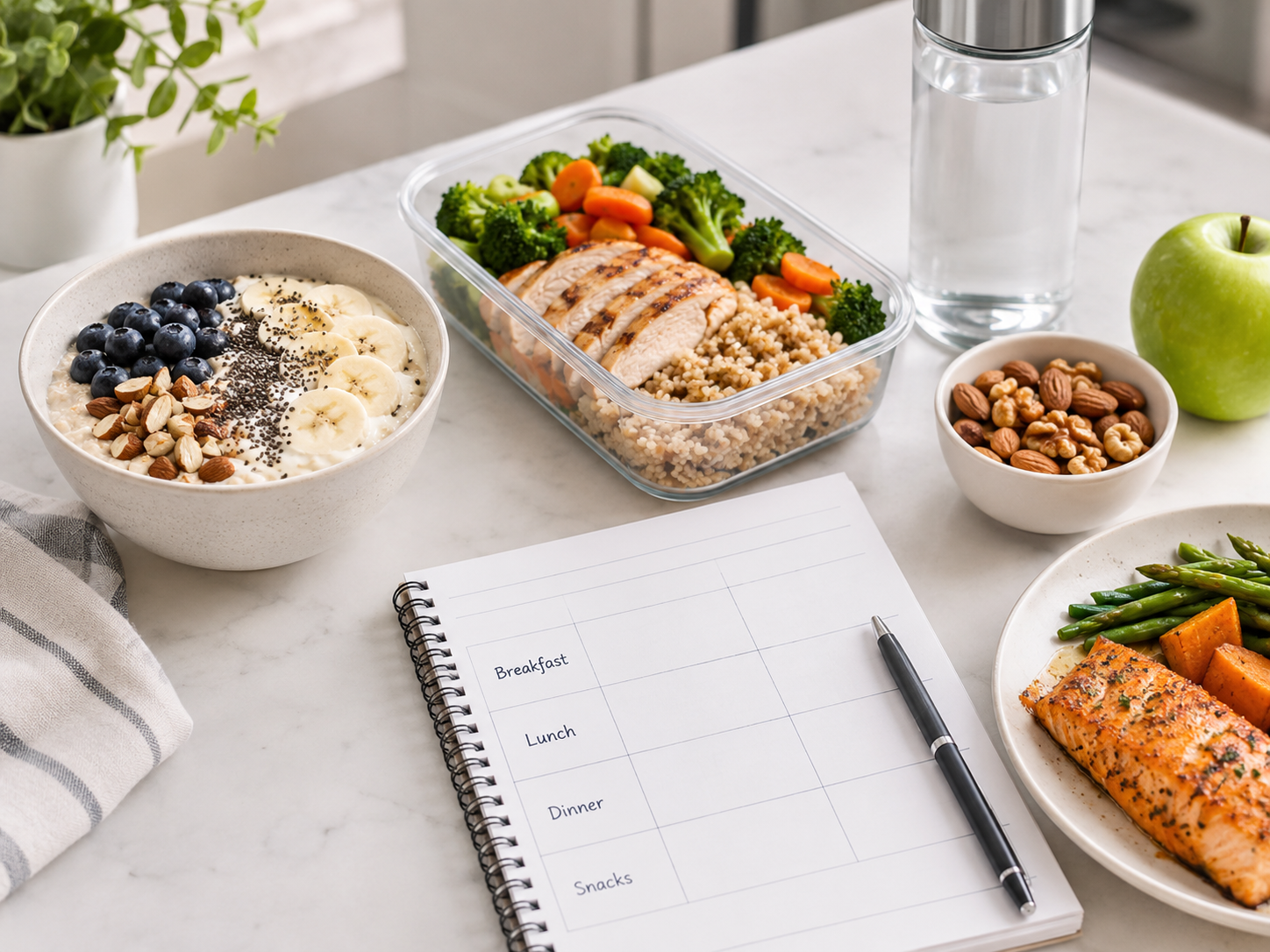

Losing weight can feel difficult when your meals are unplanned, your schedule is busy, or you keep switching between different diets. You might start the week with healthy intentions but find it challenging to maintain them when hunger strikes or convenient food options are easier to access. The solution is not necessarily to follow a strict diet. Instead, building an eating routine that suits your lifestyle can make healthy choices easier to maintain.
A custom meal plan for weight loss provides a practical way to organize your daily meals around your goals, food preferences, activity level, and nutritional needs. Rather than following a generic menu, you can choose foods you enjoy, manage portion sizes, and develop habits that support gradual, sustainable progress.
Why Generic Diet Plans Often Fail
Many people try the same diet plans they find online, expecting similar results to those achieved by others. However, individual nutritional needs vary according to age, body size, activity level, health conditions, and personal preferences.
A restrictive diet may also leave you feeling hungry or dissatisfied, making it harder to stay consistent. Removing entire food groups without a medical reason can unnecessarily limit your options and make everyday eating more complicated.
A personalized approach focuses on creating a realistic calorie intake while providing enough protein, carbohydrates, healthy fats, vitamins, and minerals. It also considers your daily routine, so you can follow your plan at home, at work, or while traveling.
The goal is to build an eating pattern you can maintain rather than rely on short-term restrictions.
How to Build a Custom Meal Plan for Weight Loss
Creating a practical meal schedule does not require complicated recipes or expensive ingredients. Start with these essential steps.
1. Set a Realistic Weight Loss Goal
Before planning your meals, decide what you want to achieve. Your goal might be to improve your eating habits, reduce body weight gradually, or establish a more consistent routine.
Avoid setting unrealistic deadlines. Rapid weight loss methods can be difficult to maintain and may not provide adequate nutrition. A gradual approach is generally more sustainable for many adults.
Your calorie requirements should reflect your individual circumstances. Online calorie calculators can provide an estimate, but they cannot replace individualized advice from a qualified healthcare professional when needed.
2. Choose Balanced Foods for Every Meal
A balanced plate makes it easier to obtain the nutrients your body needs without eliminating foods you enjoy.
Consider including:
-
Protein sources: Eggs, chicken, fish, lentils, beans, tofu, and Greek yogurt.
-
Vegetables: Spinach, broccoli, carrots, cucumber, peppers, and leafy greens.
-
Healthy carbohydrates: Oats, brown rice, whole-grain bread, potatoes, and other whole grains.
-
Healthy fats: Nuts, seeds, olive oil, and avocado.
-
Fruits: Apples, oranges, berries, bananas, and seasonal options.
Combining these foods can help improve meal quality and satisfaction. For example, grilled chicken with brown rice and vegetables offers protein, carbohydrates, and fiber in one meal.
You do not need to eliminate rice, bread, or other carbohydrate sources to manage your weight. Portion sizes and your overall eating pattern matter more than labeling individual foods as good or bad.
3. Understand Your Daily Calorie Needs
Weight loss generally requires consuming fewer calories than your body uses over time. However, eating as little as possible is not the answer.
An appropriate calorie deficit should allow you to maintain energy, meet your nutritional needs, and continue your normal activities. Your requirements depend on factors such as your current weight, height, age, physical activity, and health status.
A well-designed diet plan considers these differences instead of assigning everyone the same calorie target.
If you frequently feel weak, dizzy, excessively hungry, or unable to concentrate, your eating plan may need adjustment. Seek professional advice rather than continuing with an overly restrictive approach.
4. Include Protein and Fiber-Rich Foods
Protein and fiber are useful components of a weight management routine because they can help meals feel more satisfying.
Protein supports muscle maintenance, particularly when combined with regular resistance exercise. Good options include eggs, fish, lean meat, dairy products, beans, and lentils.
Fiber-rich foods such as vegetables, fruits, oats, legumes, and whole grains support digestive health and can help you feel full for longer.
For example, replacing a low-fiber breakfast with oatmeal, Greek yogurt, and fruit may provide a more balanced start to your day. Small improvements like this can make your routine easier to maintain without requiring a complete dietary overhaul.
Example of a Simple One-Day Weight Loss Meal Plan
The following example illustrates how you can organize meals throughout the day. Adjust portions according to your energy requirements, preferences, and hunger levels.

Breakfast
Oatmeal with Greek yogurt and fresh berries.
Provides fiber, protein, and carbohydrates for a balanced start.

Lunch
Grilled chicken, brown rice, and steamed vegetables.
Combines protein, whole grains, and vegetables.

Afternoon snack
An apple with a small handful of unsalted almonds.
Offers fiber and healthy fats between meals.

Dinner
Grilled fish, baked sweet potato, and green vegetables.
Provides protein, carbohydrates, and essential nutrients.
This sample menu is not a prescribed calorie-controlled diet. Portion sizes and additional snacks should be adjusted to suit your individual requirements. Vegetarian alternatives, different protein sources, and locally available foods can also fit into a balanced eating routine.
How to Stay Consistent With Your Meal Plan
Even a well-balanced menu may not work if it is too complicated for your lifestyle. Practical planning is just as important as food selection.
Prepare Meals in Advance
Meal preparation can reduce the temptation to order convenient but less balanced meals when you are busy. Cook suitable ingredients in batches, divide them into portions, and store them safely.
For example, preparing grilled chicken, cooked rice, roasted vegetables, and overnight oats in advance can make several meals easier to assemble during the week.
Keep food safety in mind by refrigerating perishable meals promptly and following appropriate storage and reheating guidance.
Make Room for Your Favorite Foods
A sustainable eating routine does not need to exclude every dessert, restaurant meal, or favorite snack. Excessively strict rules can make a diet feel difficult to follow.
Instead, focus on balanced meals most of the time and enjoy other foods in reasonable portions. Flexibility allows you to participate in social events without feeling that you have ruined your progress.
Monitor Progress Without Obsessing Over Weight
Body weight can fluctuate because of water retention, digestion, hormonal changes, and other normal factors. A single measurement does not necessarily reflect changes in body fat.
Look at longer-term trends and consider other indicators, such as energy levels, exercise performance, meal consistency, and how comfortably your clothes fit.
If progress stalls, review portion sizes, activity levels, sleep, and consistency before making major dietary changes.
Common Mistakes to Avoid
When creating your meal schedule, watch out for habits that can make weight management more difficult.
-
Skipping meals to compensate for overeating: This may increase hunger later in the day. A regular eating pattern that suits your needs is often more practical.
-
Cutting calories too aggressively: Very restrictive eating can make it harder to meet nutritional requirements and maintain energy.
-
Ignoring portion sizes: Nutritious foods still contribute calories, so portions should match your individual needs.
-
Relying on supplements or fat-burning products: These are not substitutes for balanced nutrition, appropriate activity, and sustainable habits.
-
Expecting immediate results: Meaningful progress takes time, and occasional setbacks are a normal part of behavior change.
Avoiding these mistakes can help you develop a more realistic approach to food and long-term weight management.
When a Personalized Meal Plan Can Help
Some people prefer to plan and prepare all their meals themselves. Others have limited time, specific fitness goals, or difficulty deciding what to eat each day.
A personalized nutrition service can simplify the process by offering planned meals, convenient portions, and options designed around different goals. When evaluating a provider, check its menu variety, ingredient quality, nutritional information, portion sizes, delivery arrangements, and ability to accommodate your dietary preferences.
For people with busy schedules, Fat2Fit offers meal options designed to make balanced eating more convenient in Abu Dhabi. Exploring personalized meal solutions may help you maintain a more consistent routine while spending less time planning and preparing food.
Remember that a meal service should complement your individual nutritional needs rather than promise a particular rate of weight loss.
Final Thoughts
Creating an effective eating routine starts with understanding your needs and choosing habits you can maintain. A balanced custom meal plan for weight loss can help you organize meals, manage portions, include protein and fiber-rich foods, and reduce the stress of deciding what to eat every day.
Start with a few manageable changes, prepare meals when possible, and allow flexibility for your preferences and schedule. Combined with regular physical activity, adequate sleep, and consistent habits, a sensible nutrition plan can support your long-term health and weight management goals.
For individualized advice, particularly if you have a medical condition, take medication that affects appetite or blood sugar, or have a history of disordered eating, consult a qualified healthcare professional or registered dietitian before making significant dietary changes.

