

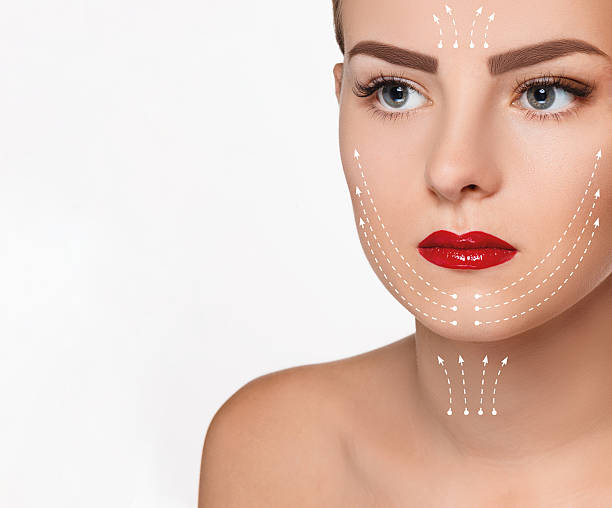

Facial aging is a natural process that gradually changes skin firmness, facial contours, and overall appearance. As collagen production decreases and underlying tissues lose support, concerns such as sagging cheeks, loose skin, jowls, and deep facial folds may become more noticeable. Facelift surgery is designed to address these changes by repositioning underlying tissues and removing excess skin when necessary. For individuals exploring Facelift in Riyadh, understanding the benefits of this procedure can help them decide whether surgical facial rejuvenation aligns with their personal goals. With appropriate assessment and realistic expectations, a facelift may offer long-lasting improvements while preserving the unique features that make each face distinctive.
What Is Facelift Surgery?
A facelift, medically known as rhytidectomy, is a cosmetic surgical procedure that improves visible signs of aging, particularly in the middle and lower face. It targets sagging tissues, loose skin, jowls, and certain deep folds around the mouth. Depending on individual needs, the surgeon may reposition deeper facial structures and remove excess skin to create smoother contours. The procedure is customized according to facial anatomy, skin condition, and desired results. Although a facelift can make the face appear more refreshed, it does not stop aging or address every concern, such as forehead lines or uneven skin pigmentation.
Major Benefits of Facelift Surgery
A facelift offers several potential advantages for individuals experiencing noticeable facial sagging. The extent of improvement depends on the surgical technique, the person's anatomy, and the quality of healing.
Reduces Sagging Skin
One of the primary benefits of facelift surgery is its ability to improve loose skin around the cheeks and lower face. As skin loses elasticity with age, it may hang more noticeably around the jawline. By addressing excess skin and supporting underlying tissues, a facelift can create a firmer, smoother appearance.
Improves Jawline Definition
Aging can cause the jawline to appear less defined as facial tissues descend and jowls develop. Facelift surgery can reposition these tissues to improve the transition between the cheeks and jawline. This may produce a more balanced facial profile without changing the person's natural identity.
Softens Deep Facial Folds
Folds around the nose and mouth can become more pronounced as facial tissues shift downward. A facelift may soften some of these lines by restoring support to the surrounding tissues. However, it is not designed to remove every wrinkle, and additional treatments may be considered for specific concerns.
Creates a Refreshed Appearance
Facial sagging can sometimes make a person look tired or older than they feel. A facelift may improve facial contours and reduce the appearance of looseness, helping the face look more rested. The goal is generally a natural-looking improvement rather than a dramatic change in identity or expression.
Provides Long-Lasting Results
Another important advantage of Facelift in Riyadh is the potential for results that remain noticeable for several years. Unlike temporary cosmetic treatments, facelift surgery physically repositions underlying tissues and addresses excess skin. However, the face continues to age naturally after surgery. Genetics, sun exposure, skincare habits, lifestyle, and overall health can influence how results change over time. Maintaining healthy habits and following professional skincare recommendations may help support the appearance of the results.
Improves Confidence and Personal Satisfaction
Some people experience greater satisfaction with their appearance after addressing facial changes that have concerned them for years. A more defined jawline or firmer facial contour may help them feel more comfortable in photographs and social situations. Nevertheless, emotional outcomes differ from person to person, and surgery cannot guarantee improved confidence or resolve every personal concern. Realistic expectations and a clear understanding of the procedure are essential when considering cosmetic surgery.
Offers Customized Treatment Options
Facelift surgery is not a single standardized procedure. Surgeons can adapt their approach according to the degree of facial aging and the areas requiring improvement.
Traditional Facelift
A traditional facelift may be suitable for people with moderate to significant sagging in the cheeks and lower face. It typically involves repositioning underlying tissues and addressing excess skin.
Mini Facelift
A mini facelift uses a more limited surgical approach and may suit selected individuals with mild to moderate lower-face sagging. The results are generally more limited than those of a traditional facelift.
Facelift With Neck Lift
When loose skin or muscle banding around the neck accompanies facial sagging, a surgeon may recommend combining a facelift with a neck lift. This approach can address concerns in both areas when medically appropriate.
Who May Benefit From Facelift Surgery?
Adults with noticeable jowls, loose skin, sagging cheeks, or deeper folds may be potential candidates. Good general health, realistic expectations, and an understanding of the recovery process are important considerations. During a consultation, a qualified plastic surgeon evaluates facial structure, skin elasticity, medical history, medications, and personal goals. People with medical conditions that affect healing may require additional assessment. For some individuals, nonsurgical treatments may be more suitable, particularly when concerns involve mild skin laxity or surface texture rather than significant tissue sagging.
Recovery and Aftercare Considerations
Facelift surgery requires time for healing, and patients commonly experience swelling, bruising, tightness, and temporary discomfort. Many people need approximately two to four weeks before returning to most routine social or work activities, although recovery varies and final results may take longer to settle.
-
Follow all postoperative instructions provided by your surgeon.
-
Keep your head elevated as recommended to help manage swelling.
-
Avoid strenuous exercise and heavy lifting until medically cleared.
-
Protect healing skin from direct sunlight and follow skincare guidance.
-
Attend follow-up appointments to monitor recovery.
Like any surgery, a facelift carries potential risks, including infection, bleeding, scarring, changes in sensation, and nerve-related complications. Discussing these risks with a qualified surgeon is an essential part of informed decision-making.
Book a Consultation at Royal Clinic Saudia
If you are considering facial rejuvenation, Royal Clinic Saudia can be a starting point for discussing your concerns and learning about suitable treatment options. Arrange a consultation to understand whether a facelift matches your goals, what results may be realistic, and how the recovery process works. A personalized assessment can help you make an informed decision about your facial aesthetic needs.
FAQs:
What is the main benefit of facelift surgery?
The main benefit is improving visible facial sagging by repositioning underlying tissues and addressing excess skin. This can create firmer contours and improve jawline definition.
How long can facelift results last?
Results may remain noticeable for several years, but longevity varies according to genetics, skin quality, lifestyle, surgical technique, and the natural aging process.
Does a facelift improve the neck area?
A facelift can improve certain concerns near the jawline and upper neck. More significant neck laxity may require a separate or combined neck lift, depending on the individual's needs.
Is facelift surgery suitable for everyone?
No. Suitability depends on overall health, facial anatomy, skin condition, and expectations. A qualified plastic surgeon can assess whether surgery or a nonsurgical alternative is more appropriate.

